



Savvy Traveler · October 15, 2026
"We're Not Cruise People" Is an Endangered Species
Ritz-Carlton, Four Seasons, Orient Express and Aman are all going to sea, and the world's most discerning travelers are going with them. Here's the data on why the old reasons to skip cruising are sinking, and the voyage that changed our own minds.
We said it too. For years.
I hear it at dinner parties. I hear it on the sidelines of kids’ soccer games. I hear it at roughly every networking event I’ve ever attended, usually right after someone finds out what we do: “Oh, we’re not really cruise people.” It comes with a polite smile and a tiny shudder, like I’d just suggested a timeshare presentation.
I know that line well, because Erin and I said it for years. We had the same picture in our heads that everybody has: a 6,000-person cattle cruise, endless tube tops and sunburns, awful daiquiris sloshing over the sides of plastic cups in and around the trademark central pool, with a brawl and a norovirus outbreak breaking out daily. No thank you.
We did somehow talk ourselves into two Disney cruises when our kids were little. The excitement on their faces made it worth it, no question. But the experience itself was pretty much what we’d expected, and we came home and quietly reinstated our “not cruise people” status.
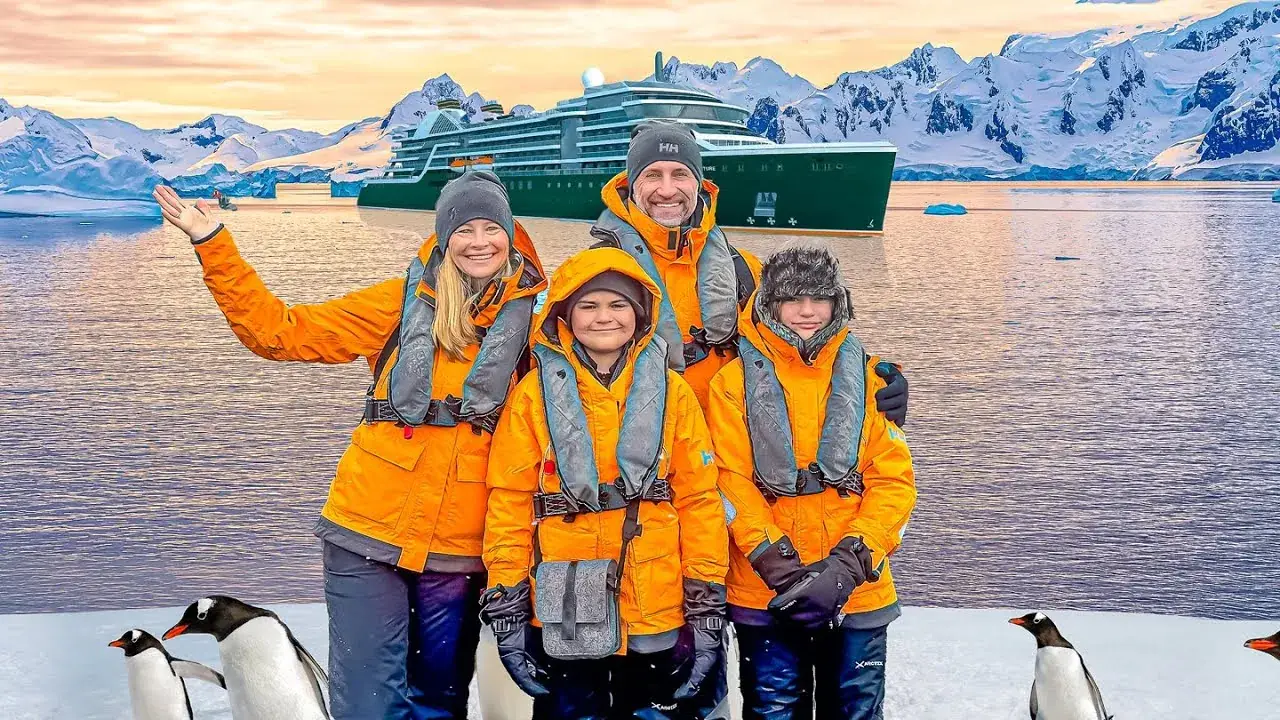
Then, in 2024, Seabourn sailed us to Antarctica, on our very first hosted group trip, with 20 travelers who’d signed up to come along. It blew up our entire definition of “cruising.” Seabourn Venture is a large-enough ship, and there were only about 250 of us aboard. No crowds. No partying. No tiny cabins or closet-sized bathrooms. Just an upscale, all-inclusive atmosphere, caviar on demand, and champagne glasses filled hot-tub-side while icebergs drifted past. Turns out we’d been wrong about this for a very long time.
And that’s the thing I’ve noticed since, scouting ships for a living. Almost nobody who says “we’re not cruise people” is rejecting the actual idea of a cruise: unpack once, wake up somewhere new, let someone else handle the logistics. They’re rejecting one type of ship. Motel 6 and Aman are both technically hotels, and nobody survives a bad night at a highway motel and announces they’re “not hotel people.” Don’t judge a ship by its sister. Writing off every ship afloat because of one week on one of them is like swearing off restaurants because of an airport food court.
So here’s the plan. I’m going to take the three big objections (seasickness, outbreaks, and the “cattle cruise”) and check each one against real data, with sources you can click. Where the worry holds up, I’ll say so. Where it doesn’t, I’ll show you why. And at the end, I’m going to invite you onto a ship with us. If you hate it, you’ll be the first person on that ship to say so.
The “not cruise people” club is losing members
Start with the big number. Cruise Lines International Association (CLIA), the industry’s main trade group, reports that a record 37.2 million people cruised in 2025, up 7.5% over the year before. That’s a lot of people who, statistically, used to say exactly what you’re saying.
The more interesting number is who they are. According to CLIA, 31% of cruisers over the past two years were first-timers, up from 24% in 2019, and Gen X and Millennials are among the most enthusiastic cruisers out there. The picture of cruising as something your grandparents did after the gold watch is getting harder to defend every year.
Openness is climbing too. CLIA’s 2026 report puts the share of travelers who are open to taking their first cruise at about 76%, up from 68% the year before. For a whole population of travelers, that’s a big swing in a single year. Those are people quietly reconsidering a position they thought was settled.
Then there’s the stickiness. Nearly 90% of cruisers say they intend to sail again, the highest level CLIA has ever recorded. Industries with disappointed customers don’t post repeat numbers like that. People try it, and most of them come back for more.
A grain of salt, because you’d catch me if I skipped it: CLIA is an industry group, and industry groups have every reason to be cheerful. But passenger counts are counts, not vibes, and the direction is hard to argue with. More first-timers, more openness, more people coming back. The club of people who’ve sworn off cruising is shrinking. Feel me?
“I get seasick.” Fair. Let’s talk about where you’re sailing.
This is the most honest objection on the list, and the one I take most seriously, because it’s physical rather than a matter of taste. Some people are more prone to motion sickness than others, and no ship on earth can promise zero motion. Anyone who tells you otherwise is selling something. Ships move. The ocean is the ocean.
But the biggest variable isn’t whether you sail. It’s where. Itinerary choice matters more than almost anything else. A string of short island hops, with most of the sailing done overnight between ports a few hours apart, is a completely different experience from a long open-ocean crossing. Sea conditions always depend on weather and season, but some regions are reliably gentler than others. (For the opposite end of the spectrum, here’s our honest look at how rough the Drake Passage really is.)
Where you sleep matters almost as much. A ship pivots around its middle, so a suite midship and on a lower deck moves noticeably less than one way up front or high up near the top. Same ship, different ride. When a client tells us they’re worried about motion, that’s the first thing we request on their behalf. No sweat to ask, and it costs you nothing to have someone who knows the deck plans doing the asking.
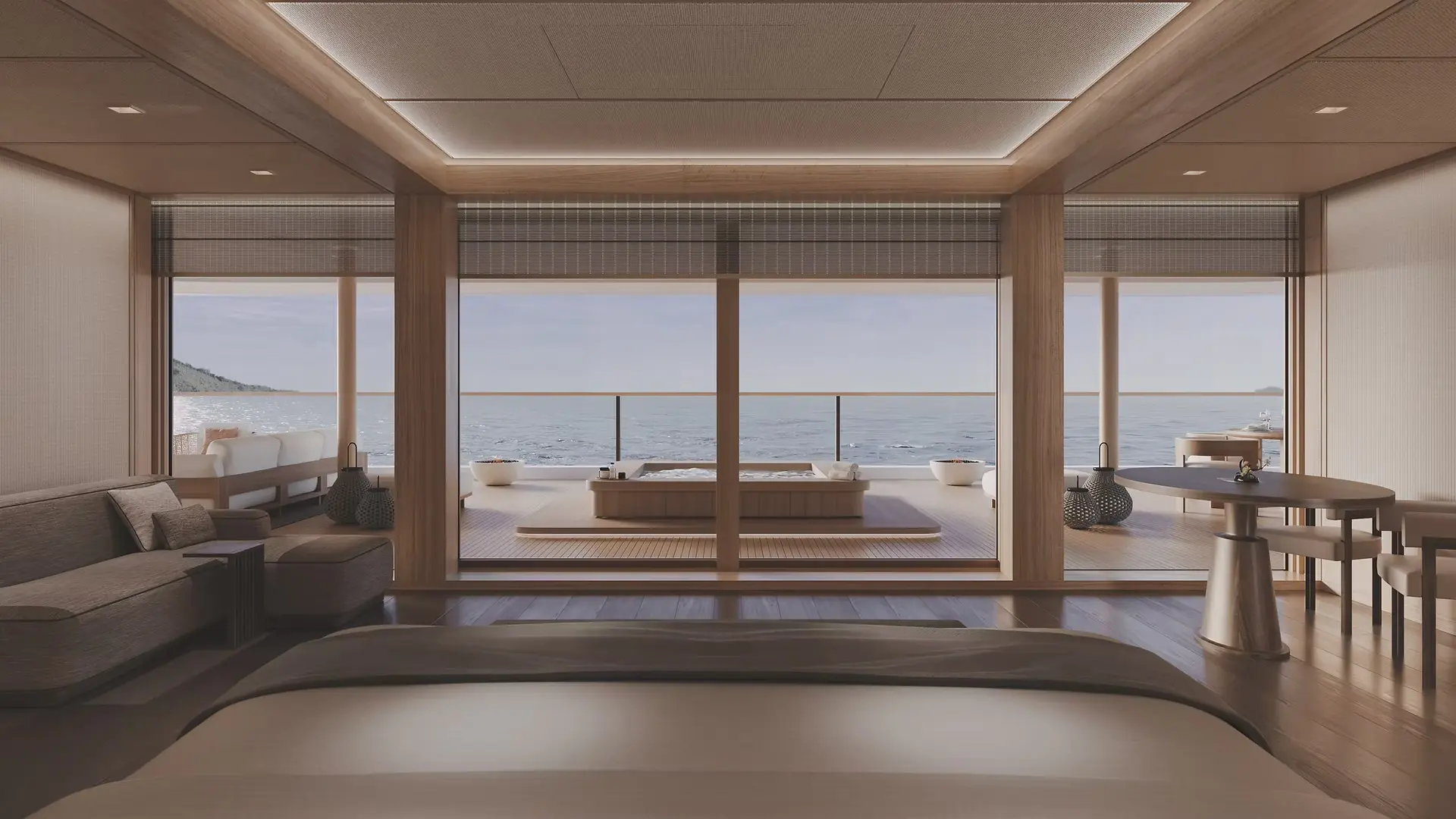
Size helps too. Bigger, modern ships sit more steadily in the water, and most use stabilizers, underwater fins that reduce side-to-side rolling. This is one area where a mid-size ship has a real edge over a tiny one, which is part of why we’d steer a nervous stomach toward a substantial, modern ship for a first cruise rather than a small sailing vessel.
And the medical part, which I’ll keep short because I’m a travel scout, not a physician: if motion sickness has bothered you before, talk to your doctor about options before you go. That’s the whole of my medical advice.
Bottom line: seasickness is a reason to choose carefully, not a reason to never go. A calm route, the right suite and a big, steady ship. That’s legit three for three.
“Aren’t cruise ships floating petri dishes?”
This one has incredible PR. Every shipboard outbreak becomes a headline. But per the CDC, cruise ships account for only about 1% of all reported norovirus outbreaks. The other 99% happen on land, mostly in places nobody thinks of as risky. Over half of US norovirus outbreaks happen in long-term care facilities, and most of the foodborne ones start in restaurants.
Hotels and resorts get it too. In 2014, a landmark New York resort closed for a week of professional cleaning after hundreds of guests and staff got sick, and state health officials said it looked like norovirus. Nobody came home from that announcing they were “not hotel people.” And when hantavirus hit Oceanwide Expeditions’ MV Hondius this spring, the internet blamed the ship, even though, as I wrote at the time, the leading theory is that the first patient boarded already sick. Planes, hotels, restaurants, malls: risk lives wherever people gather. Ships just get the headlines.
Part of the reason is that ships are unusually good at noticing. They detect and report outbreaks faster than land-based settings, and the CDC publicly posts an outbreak once 3% or more of a ship’s passengers or crew report symptoms. Your favorite resort has no public scoreboard like that. More reporting looks like more risk, even when it isn’t.
Now the honest caveat, because you deserve it: ship outbreaks are trending up. 2024 was already the worst year in over a decade, and the CDC’s own list shows 18 outbreaks in 2024 and 23 in 2025. It isn’t only the giants, either. This year’s list includes small expedition ships and luxury lines, partly because that 3% threshold means a small ship gets listed after just a handful of sick guests. (The outbreaks that make the evening news with hundreds of people sick are on the biggest ships, for the simple reason that there are more people aboard to get sick.) “About 1% of outbreaks” does not mean zero risk, and I’m not going to pretend otherwise.
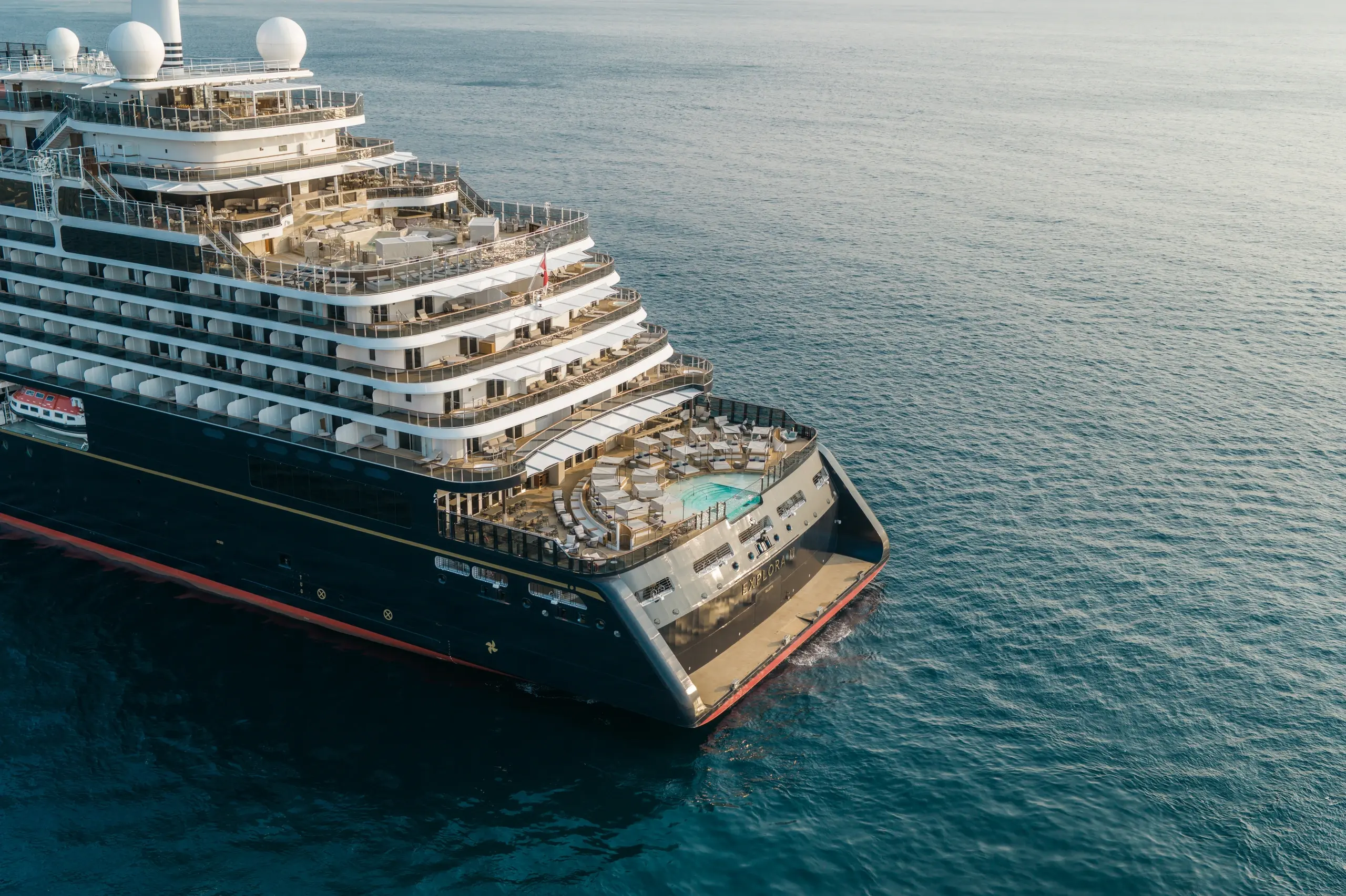
Which is exactly why we’re picky about the ships we put people on. Small isn’t a force field, but fewer guests, more space per guest and more crew per guest change the daily texture of a ship: less crowding, fewer shared serving spoons, more food brought to you rather than picked over by a thousand hands. Explora III, for example, has roughly 210 square feet of public space per guest and about 1.25 guests for every crew member. That isn’t a medical guarantee. It’s common sense about crowds.
The rest is the boring stuff that works everywhere, at sea or at a wedding reception: wash your hands often, with soap, like your mother is watching. The petri-dish reputation was earned by a certain kind of ship. It doesn’t describe the ones we recommend.
“We don’t do cattle cruises”
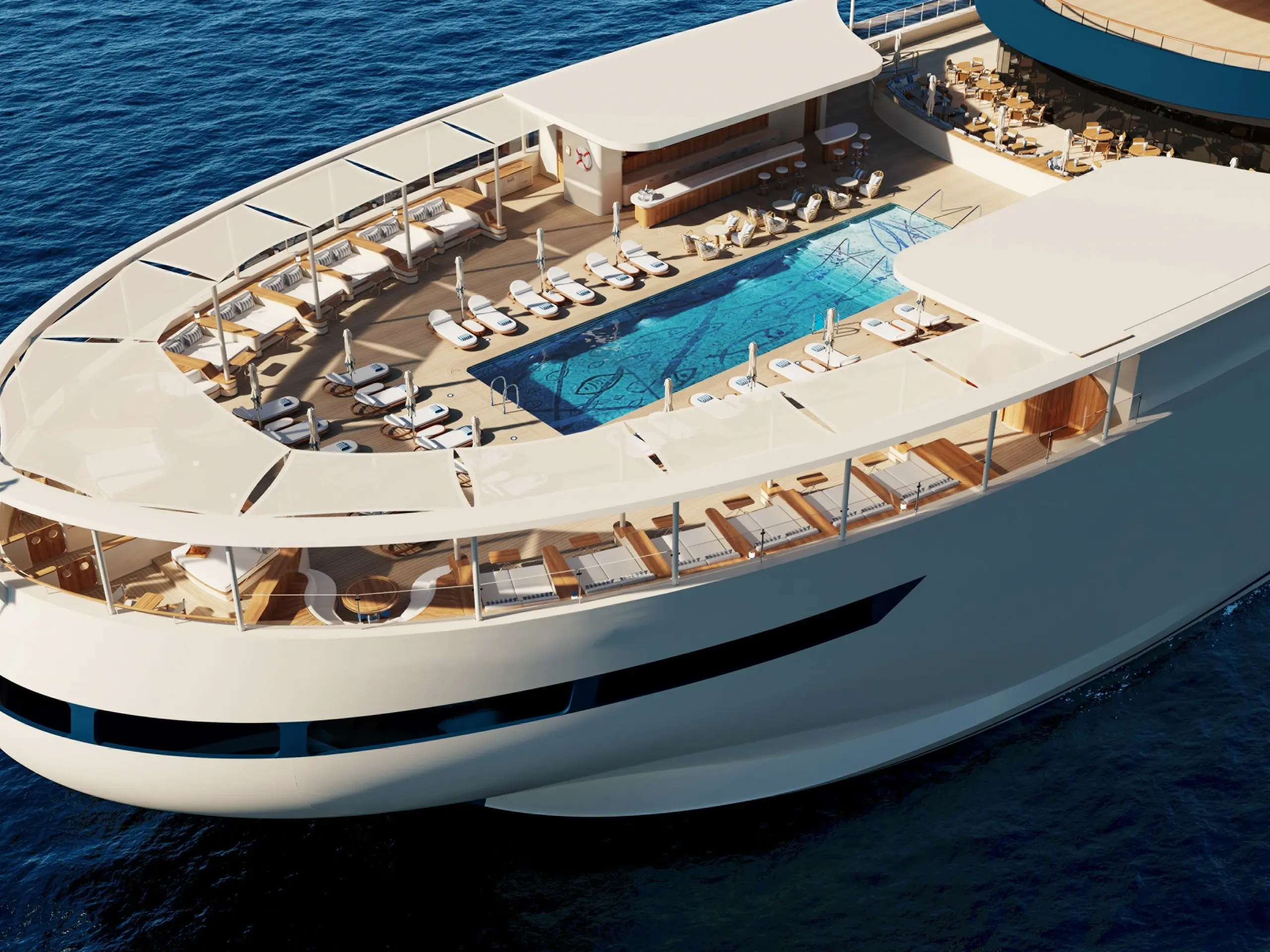
Remember our tube tops and daiquiris? That’s the stereotype in full: thousands of people, a pool deck that never stops partying, lines for everything, and the general vibe of a spring break that refused to end. It’s real for some ships. Some new ships carry 5,000-plus guests, they’re built for exactly that crowd, and plenty of people have a great time on them. I’m not here to trash anybody’s vacation.
But it’s a slice of the industry, not the industry. At least 70% of current and upcoming cruise ships are small to mid-size. The megaships hog the headlines and the TV ads because they’re the biggest things afloat, not because they’re the typical ship. One swallow doesn’t make a summer, and one megaship doesn’t make an industry.
The fastest-growing corner of the business is the opposite end entirely. A Bloomberg report found the ultra-luxury cruise market growing about 2.5 times faster than cruising overall. We’ve written about why smaller luxury ships are having a moment and how ultra-luxury cruising became the hottest thing in high-end travel, if you want the longer version.
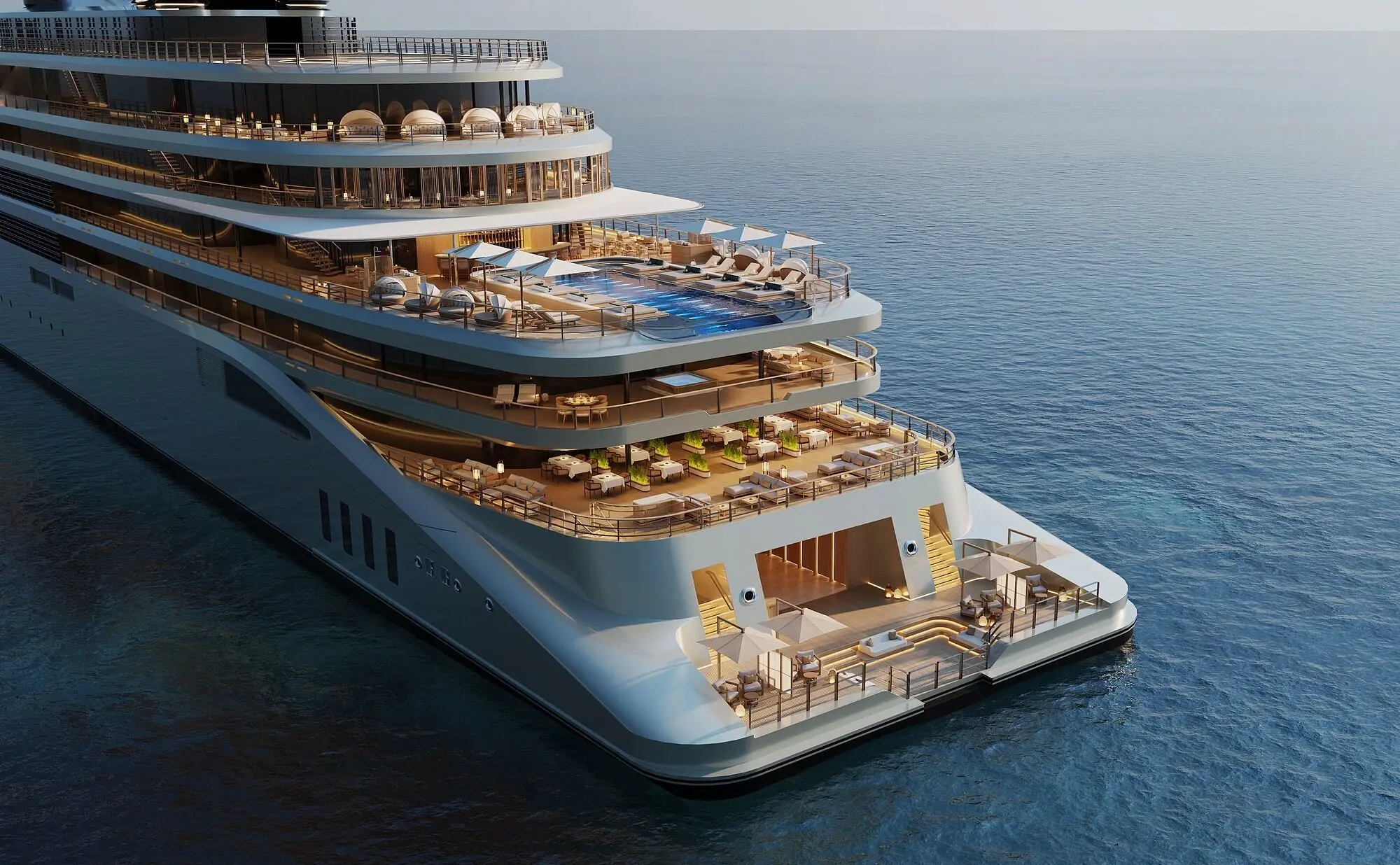
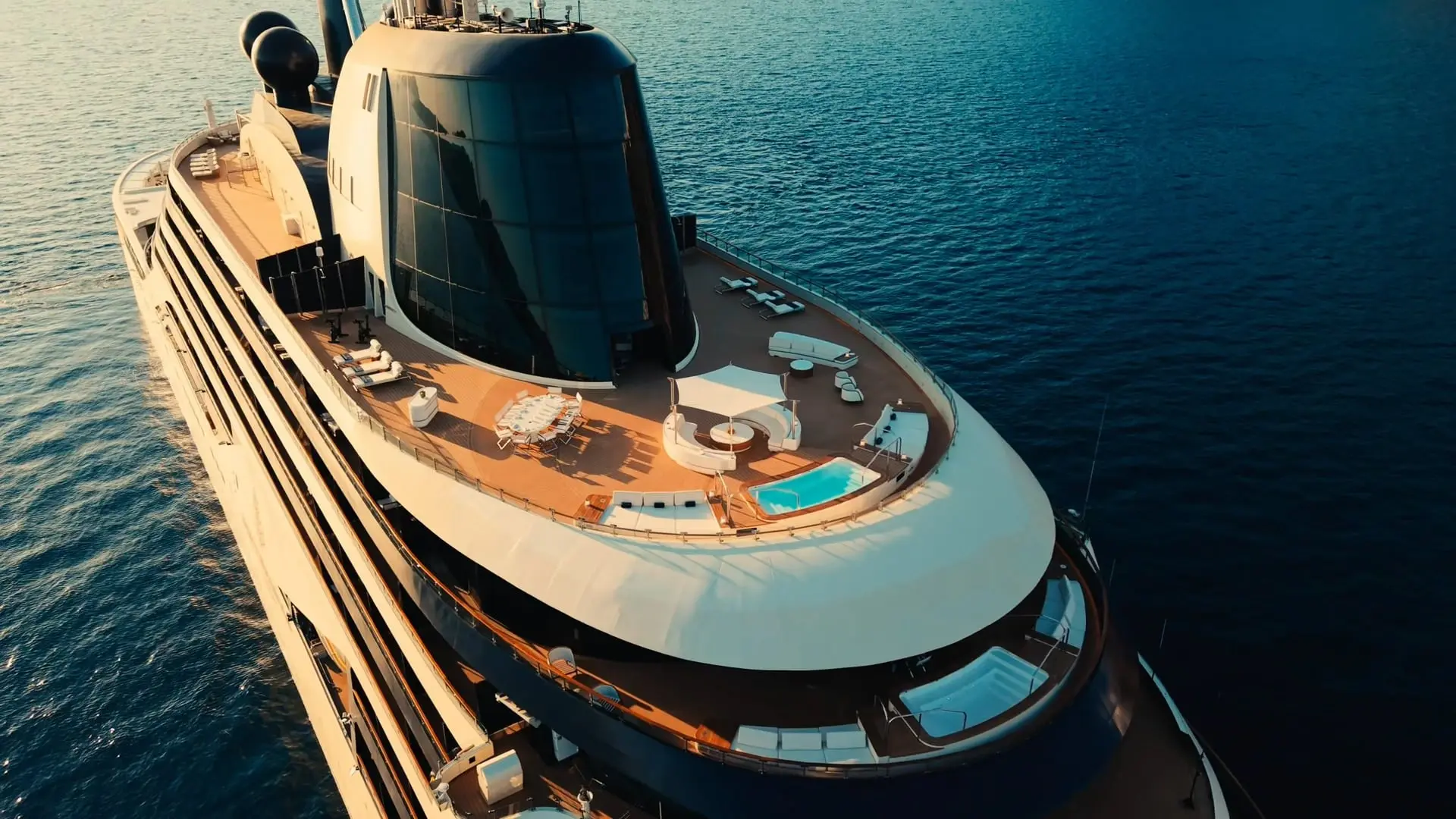
And look who’s showing up. Ritz-Carlton launched its first yacht, Evrima, in 2022. Four Seasons I set sail in March 2026. Orient Express, the name behind the legendary train, began inaugural voyages on Orient Express Corinthian, a 54-suite sailing yacht for 110 guests, in May 2026. Aman, the brand people plan entire trips around, has Amangati: 47 suites, a maximum of 94 guests, with its first Mediterranean season in 2027 (Resident and The Globe and Mail have good roundups).
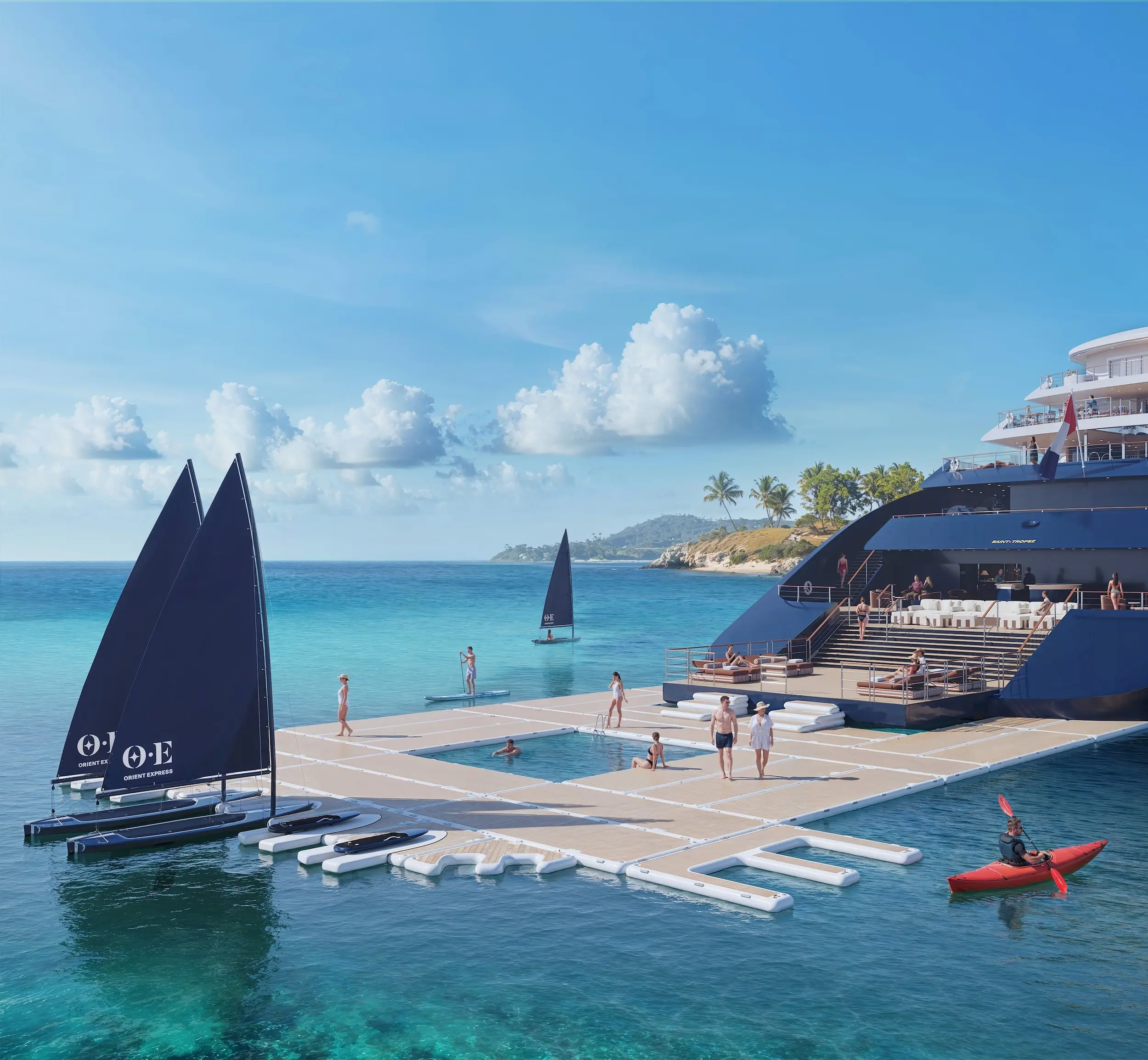
I’m not claiming every one of these ventures is a runaway hit. Some are still finding their footing, and launching a ship is a very different business from running a hotel. The point is who’s walking in the door. Brands whose whole reputation rests on discretion, service and privacy decided the sea was worth putting their name on. They didn’t do that for the conga line.

So “cattle cruise” describes a type of ship, and here’s the good news about a type of ship: you can simply not get on it.
Exhibit A: Explora Journeys
If I could hand a skeptic just one cruise line, it would be Explora Journeys. It isn’t the smallest. Explora III carries about 900 guests. But it was built from the keel up for people who would rather stay at a great hotel than take a cruise. My shorthand for the whole philosophy: maybe the best hotel isn’t a hotel.
Look at who’s running it. President Anna Nash joined in September 2024 after a decade at Aman, where she served as chief communications officer, chief marketing officer and, most recently, chief commercial officer. When a cruise line hires its president from Aman, it’s telling you exactly what it’s trying to be.
The ships back that up. Every one of the 461 suites is ocean-front with a private terrace, so there are no inside cabins and no porthole-sized consolation prizes. Explora counts eleven culinary experiences across its ships. On Explora III, the wine, champagne, premium spirits, specialty coffee, gratuities and six of the seven restaurants are all included, so nobody spends the week doing math at the bar.
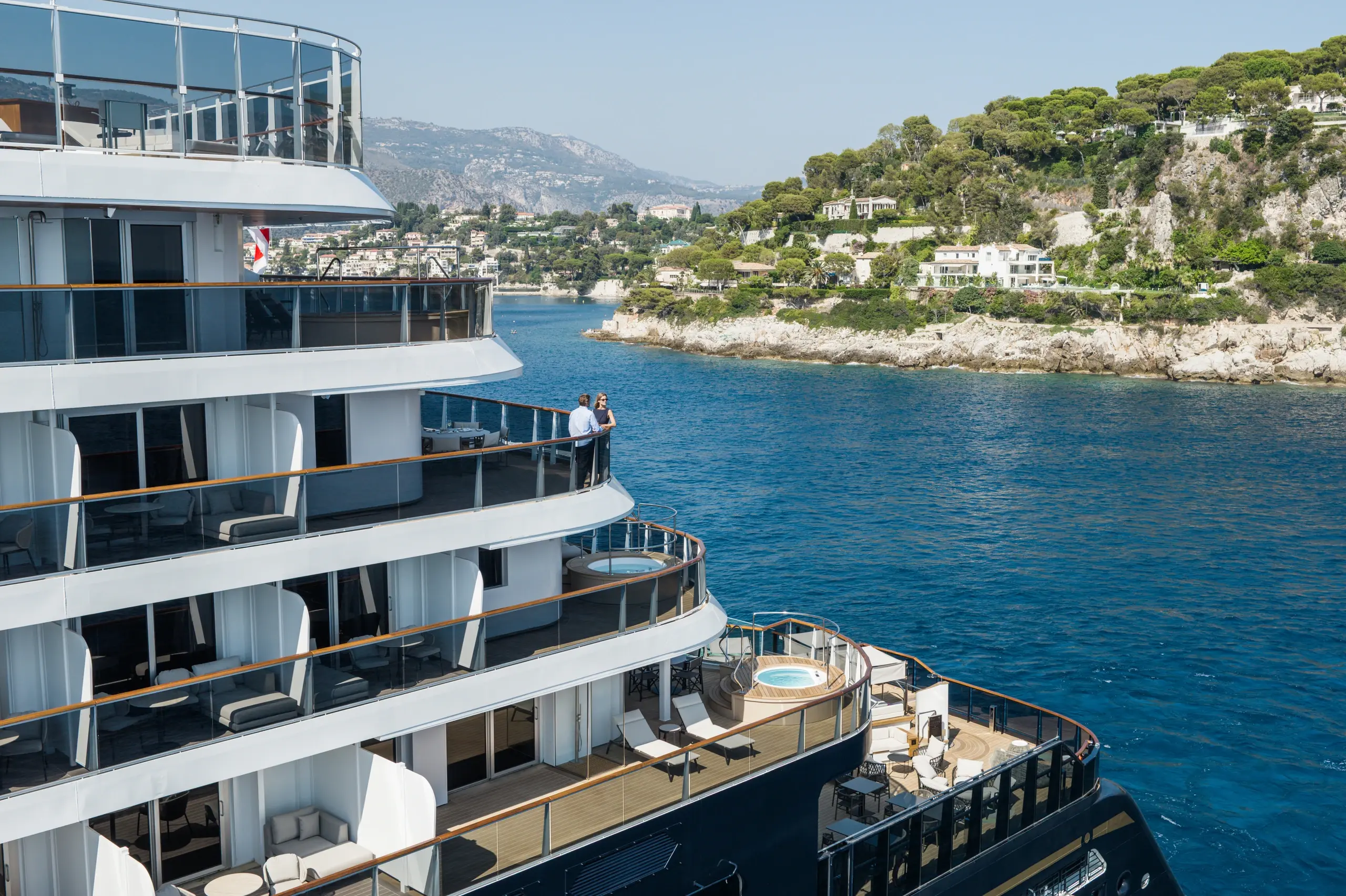
Here’s the stat I’d put on a billboard for this crowd. Nash has said that more than 20% of Explora’s guests are new to cruising. One in five people on board, in other words, was standing exactly where you’re standing. I’d bet a decent bottle that a few of them said the words “we’re not cruise people” out loud.
And here’s what happens after they try it. Since the start of 2026, nearly half of Explora guests have reserved their next Journey while still on board. People don’t make that decision on the ship if the ship let them down. That’s the closest thing to a verdict the industry has.
In fairness, it isn’t perfect for everyone: shore excursions cost extra, the tasting-menu restaurant is an add-on, and at around 900 guests it’s not a yacht. Our full guide to Explora Journeys has all the deets, and our take on why seasoned luxury cruisers are switching to it covers the trade-offs honestly.
If you hate it, you’ll be the first person on that ship to say so
So here’s my offer. Over spring break 2027, Erin, our family and I are sailing Explora III from Miami to Barbados, March 14–21. Seven nights, and we’ve set aside a group of suites for people who’d like to come along. It’s the same kind of hosted week that converted us in Antarctica, just with warmer water.
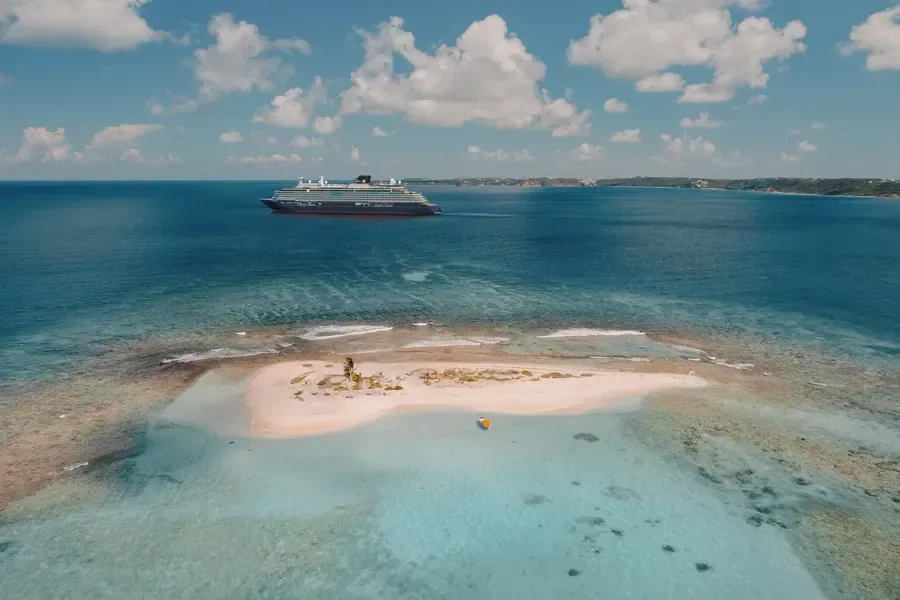
The route is short island hops: Providenciales in the Turks and Caicos, St. John’s in Antigua, Pointe-à-Pitre in Guadeloupe, and Bequia in the Grenadines, a small, quiet sailing island most large ships can’t reach, before we finish in Barbados. It’s exactly the kind of itinerary I’d pick for a first-timer with a cautious stomach and a skeptical spouse.
We’re aboard the whole week. There’s a private welcome gathering and a farewell toast, and the rest of the time is yours. You can join us for dinner, or you can disappear onto your terrace with a book and never be seen again. Both are correct answers. Add a night or two in Miami up front, and a few days in Barbados on the back end if you’re not ready to fly home.
And we handle the whole shebang: the suite, your flights, the Miami hotel, the Barbados add-on, transfers, the dinner reservations worth having, travel insurance options, and a straight answer to every “wait, is that included?” between now and the moment you step off in Bridgetown.
If you hate it, you’ll be the first person on that ship to say so, and honestly, I want to hear it. But I know which way I’d bet: you, on your terrace on the last night, watching Bequia get smaller and quietly asking us about the next one. Right on.
See the Explora III sailing and claim a suite while the group block lasts. Spring break doesn’t work for you? Request a quote for a different sailing, or if you’d rather just talk it through first, start here.
Watch
Episodes on this


Keep reading