



Savvy Traveler · January 20, 2026
Not Your Typical Cruise: Why Smaller Ships Are Having a Moment
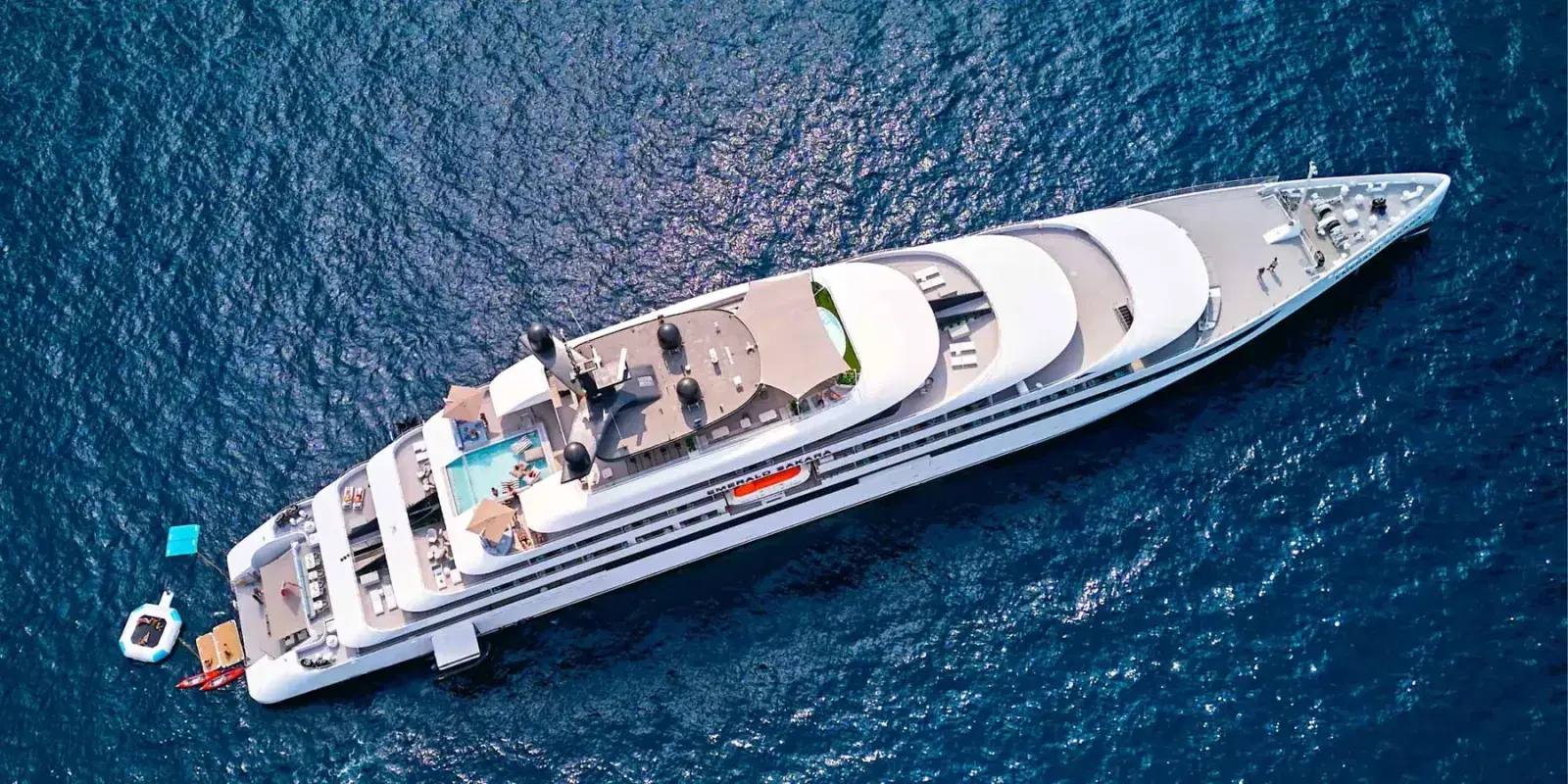
Smaller luxury cruise ships are quietly redefining what cruising looks like—offering deeper access, fewer crowds, and experiences that feel more like private travel than mass tourism.
For years, cruising had an image problem.
For some travelers, it meant crowds, fixed schedules, buffet lines, and ports that felt more like theme parks than destinations. For others, it felt too formal, too rigid, or simply too impersonal. And for a growing number of luxury travelers, it felt inefficient—too much ship, not enough substance.
That perception has shifted dramatically.
Today’s small luxury cruise ships are rewriting the rules, attracting travelers who never would have considered cruising before. These aren’t floating cities. They’re purpose-built vessels designed for access, flexibility, and experiences that would be nearly impossible to replicate on land without chartering a private yacht.
As travel planners, we’re seeing this shift firsthand. Small ships have become one of the most compelling answers to modern travel challenges: overcrowding, logistical friction, and the desire for deeper, more meaningful experiences.

What “Small Ship” Actually Means (And Why It Matters)
In cruise terms, “small” is relative.
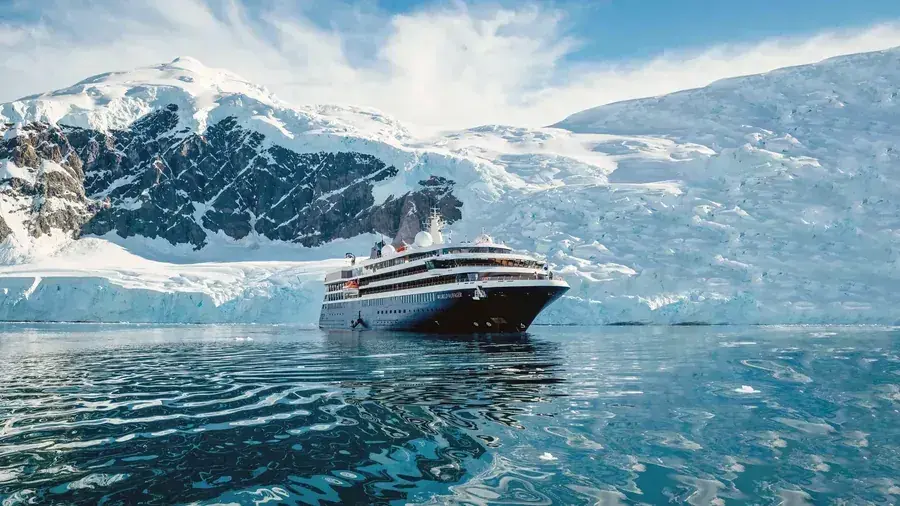
Small luxury ships typically carry anywhere from 20 to around 1,000 guests, though many expedition vessels cap out closer to 200—especially in sensitive regions like Antarctica and the Arctic, where regulations limit how many people can be ashore at once.
That scale changes everything.
Smaller ships can:
- Access ports and waterways that large ships physically cannot
- Spend more time in each destination, including overnights
- Adjust itineraries based on weather, wildlife, or local conditions
- Foster a sense of community among guests
In other words, the ship stops being the destination—and becomes the tool that unlocks it.
The “Easy Button” Effect
Travel has gotten more complicated.
Flights are less forgiving. Popular destinations are more crowded. Coordinating hotels, transfers, guides, and logistics—especially across multiple countries—has become a full-time job.
Small-ship cruising quietly solves many of those problems.
You unpack once. Your hotel moves with you. Experts handle logistics behind the scenes. And instead of fighting crowds for access, you’re often arriving early, staying late, or anchoring somewhere entirely off the tourist radar.
That simplicity is a big reason many travelers—especially those short on time—are gravitating toward this style of travel. It offers a rare combination: ease without sacrificing depth.
Access Is the Real Luxury
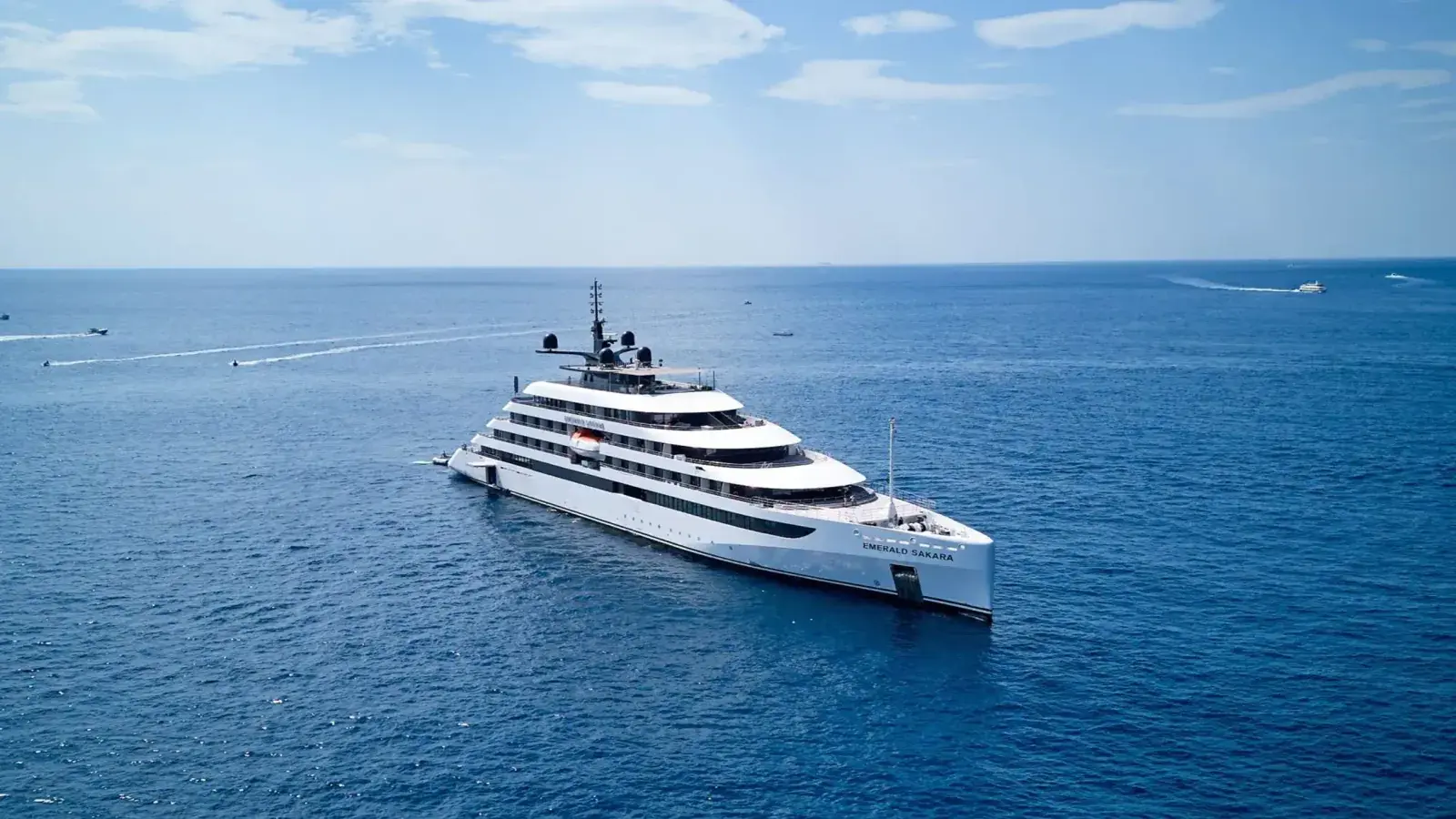
One of the biggest advantages of small ships is where they can go.
In places like the Galápagos, Antarctica, the Kimberley region of Australia, or remote Pacific islands, access is everything. These are destinations that don’t scale well—and aren’t meant to.
Smaller ships can:
- Navigate narrow fjords and channels
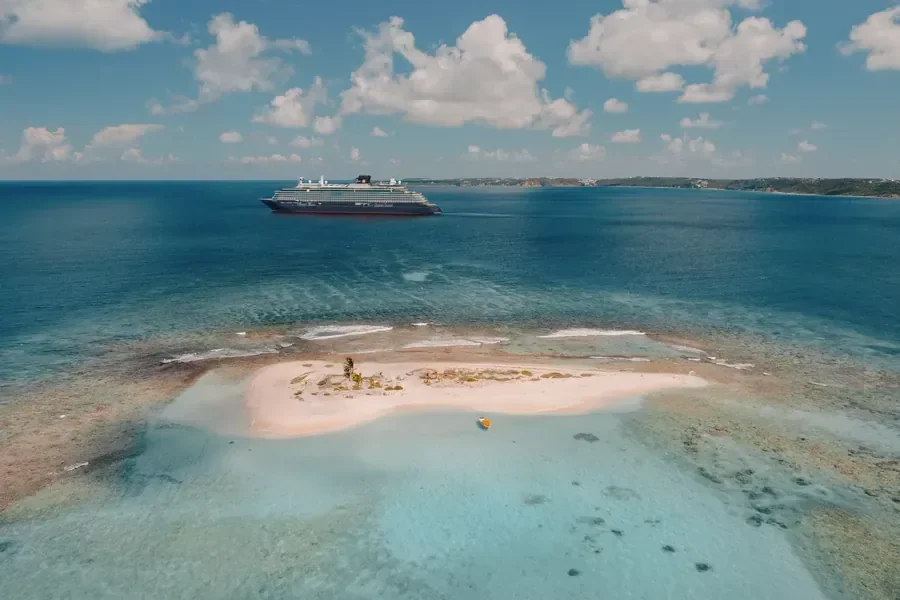
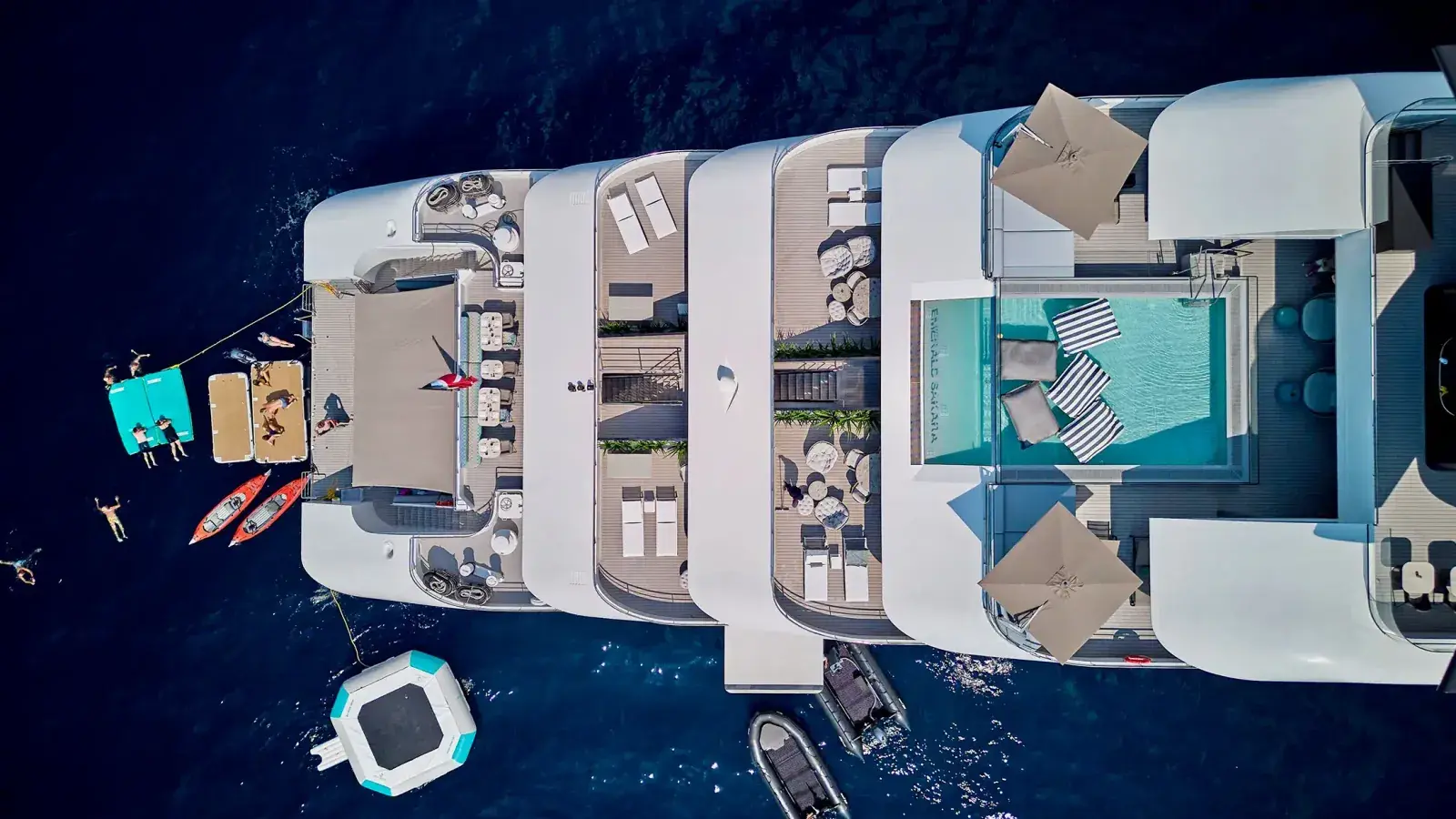
- Anchor offshore and deploy Zodiacs or onboard marinas
- Visit ports without cruise terminals
- Reach regions accessible only by sea
This is why expedition-style cruising has exploded in popularity. It’s not about ticking off famous cities; it’s about reaching places that still feel wild, cultural, or genuinely remote.
For travelers who value uniqueness over familiarity, this is a powerful draw.
From Classic Cruising to Expedition Exploration
Not all small ships are the same—and that’s part of the appeal.
Some focus on classic cruising, with relaxed itineraries, refined dining, and cultural shore excursions. Others lean hard into expedition travel, pairing adrenaline-filled days with comfortable evenings onboard.
What unites them is intention.
On expedition-style voyages, days might involve:
- Zodiac landings among penguin colonies
- Cultural encounters with indigenous communities
- Snorkeling or kayaking in remote marine ecosystems
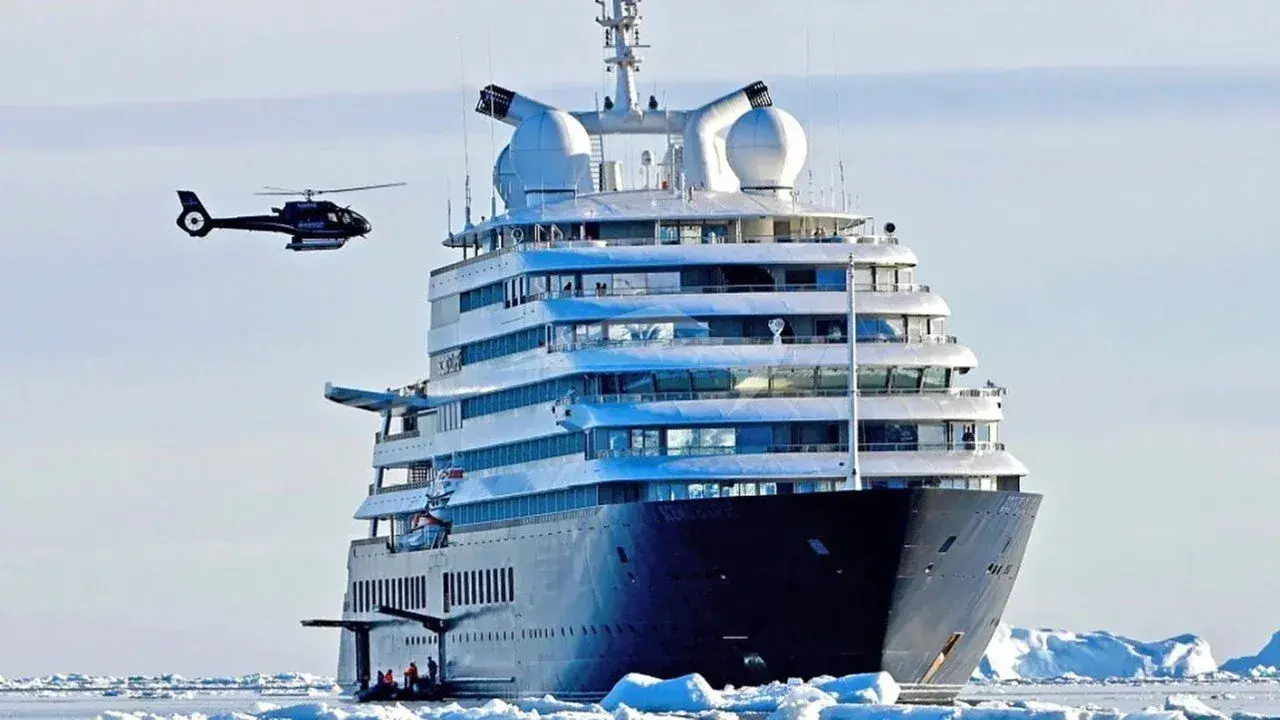
- Helicopter or submarine excursions (on select ships)
Evenings, by contrast, are often spent with expert lectures, recap briefings, and surprisingly good food—no tuxedos required.
Casinos are largely absent. Education, exploration, and enrichment have taken their place.

Why Expedition Cruises Are Pulling in “Anti-Cruisers”
One of the most interesting shifts we’ve seen is who is booking these trips.
Many small-ship guests are people who previously said, “I’m not a cruise person.”
They’re travelers who:
- Prefer boutique hotels over resorts
- Care deeply about destination and context
- Want flexibility, not rigid schedules
- Value learning and storytelling
On small expedition ships, plans change. Wildlife sightings override the schedule. Weather dictates the day. Light conditions matter. That unpredictability—once a drawback—is now part of the appeal.
There’s also a social component. With fewer guests, camaraderie builds quickly. Conversations happen organically. Fellow travelers tend to be curious, engaged, and interesting.
For many, that sense of shared experience is as valuable as the destination itself.
Food, Wellness, and the End of Cruise Stereotypes
Modern small ships have also shattered outdated assumptions about life onboard.
Dining has evolved far beyond formal main dining rooms and buffets. Many ships now feature multiple specialty venues, regional cuisine tied to the itinerary, and sourcing strategies that reflect where you’re sailing.
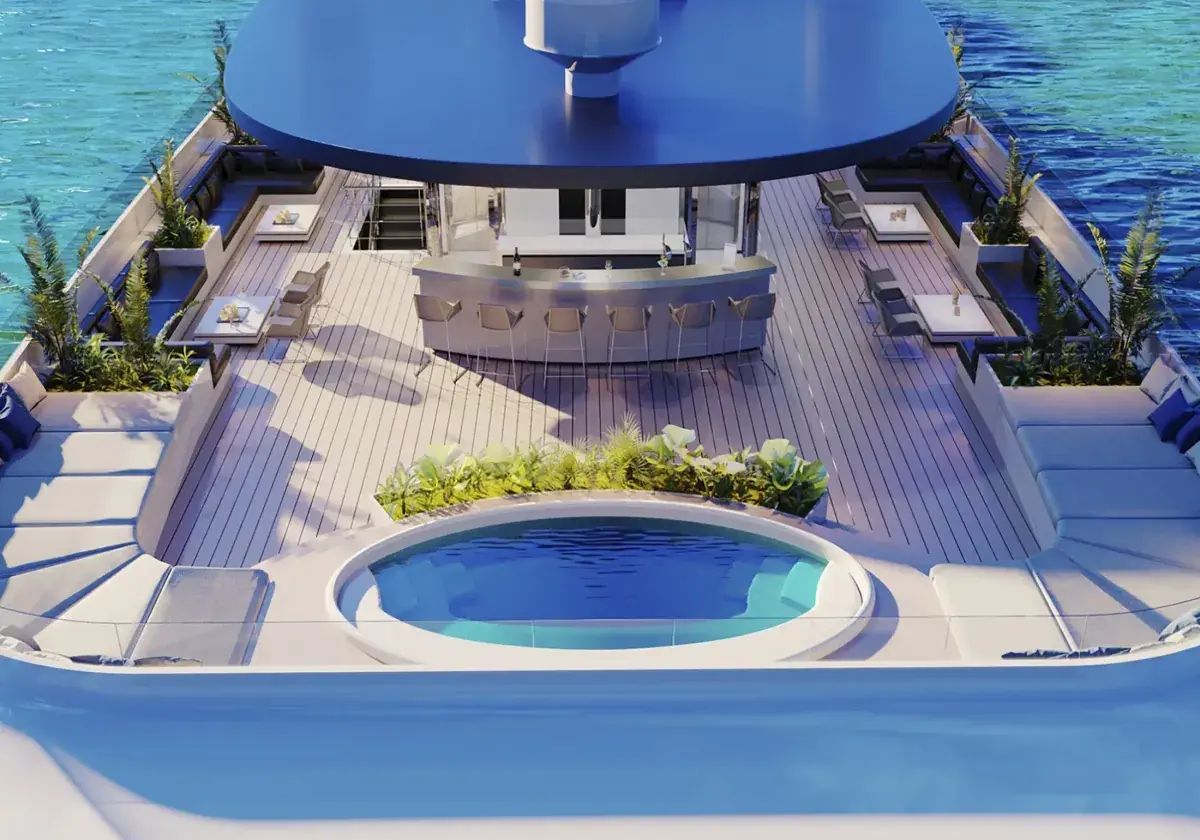
Wellness, too, has become central. Spas, fitness studios, saunas, and outdoor decks are standard—even on expedition vessels designed for polar regions.
What’s largely disappeared?
- Dress codes
- Assigned seating
- Overproduced entertainment
Instead, the atmosphere tends to feel closer to a relaxed European hotel or private yacht than a traditional cruise ship.
A Spectrum of Small-Ship Experiences
The small-ship category has expanded rapidly, offering something for nearly every type of traveler.
Some brands focus on hard-core exploration, with scientists, naturalists, and historians leading daily programming.
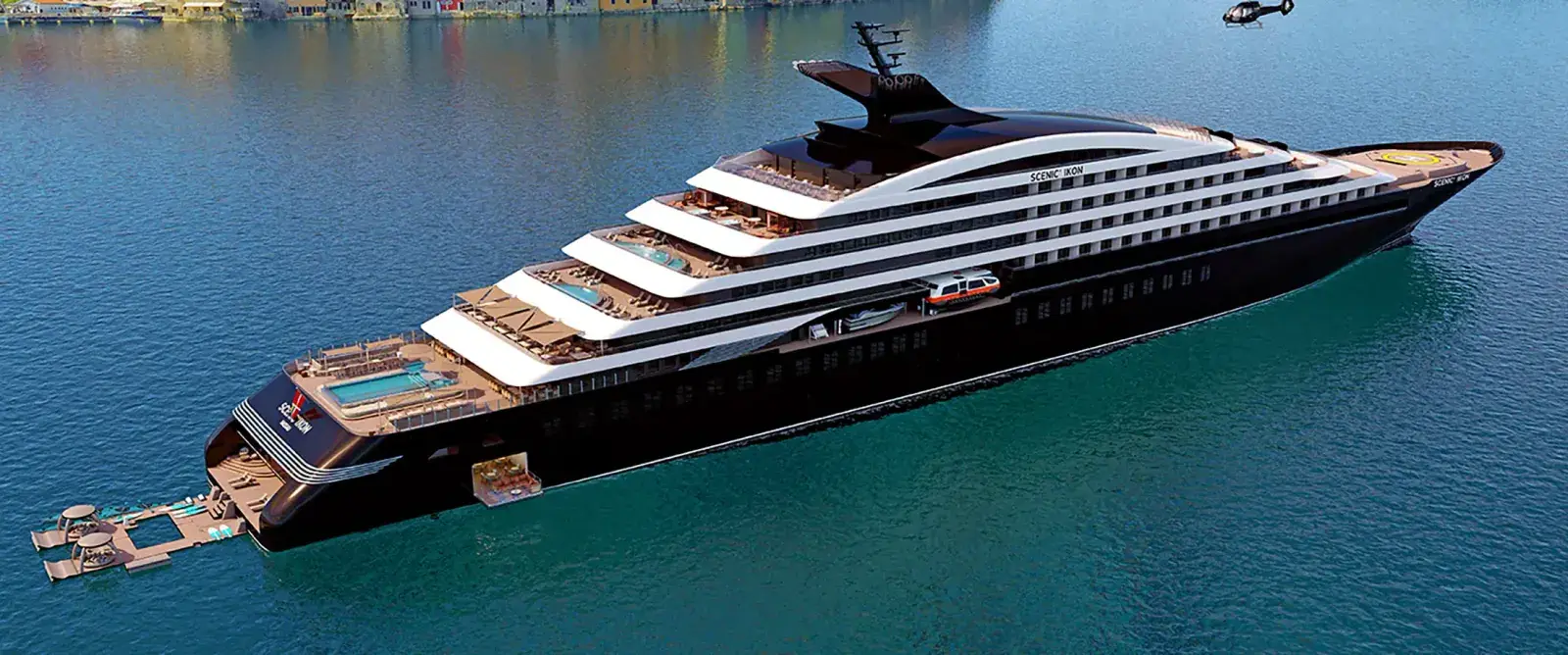
Others emphasize boutique luxury, blending slower itineraries, oversized suites, and resort-style amenities.
And increasingly, lines are blurring the line between expedition and lifestyle travel—offering adventure by day and indulgence by night.
This diversity is part of what’s fueling the category’s growth. Travelers no longer have to choose between comfort and discovery.
Contemporary Culture at Sea
Another unexpected evolution? Culture.
Art, music, and intellectual programming have become central to many small-ship itineraries. Some voyages revolve around contemporary art, architecture, or culinary traditions. Others feature guest experts, historians, or photographers who provide context you simply don’t get on land-based trips.
For travelers who enjoy learning as much as lounging, this is a meaningful upgrade.
It’s also one reason many small-ship cruises feel richer than their length suggests. You’re not just visiting a place—you’re understanding it.
Why This Trend Isn’t Slowing Down
Small luxury cruising isn’t a fad. It’s a response.
A response to overtourism.
A response to travel fatigue.
A response to travelers who want more meaning from their time away.
As ships become more specialized and itineraries more thoughtfully designed, this category continues to attract people who previously felt underserved by both traditional cruising and DIY travel.
For many, it represents the best of both worlds: structure without rigidity, luxury without excess, and adventure without chaos.
Where Points and Planning Still Matter
One thing worth noting: while small-ship cruising simplifies travel, it doesn’t eliminate the need for strategy.
These voyages often represent significant investments of time and money. This is where smart planning—and yes, sometimes points—can make a real difference.
When layered thoughtfully, transferable credit card points can help offset flights to remote embarkation points or upgrade long-haul segments that make expedition travel far more comfortable.
We’ve covered that intersection in depth in our article covering the best strategy for leveraging American Express Membership Rewards points for booking luxury cruises.
And for travelers still refining their broader credit card strategy, this page on our family’s favorite travel perks credit cards is a solid foundation.
In Other Words
Small luxury cruise ships aren’t trying to replace traditional cruising.
They’re replacing why people stopped cruising in the first place.
By prioritizing access over volume, experience over spectacle, and flexibility over formula, these ships are quietly becoming one of the most compelling ways to explore the world—especially for travelers who value depth, connection, and ease in equal measure.
For many, it’s not a compromise.
It’s an upgrade.
Watch
Episodes on this


Keep reading