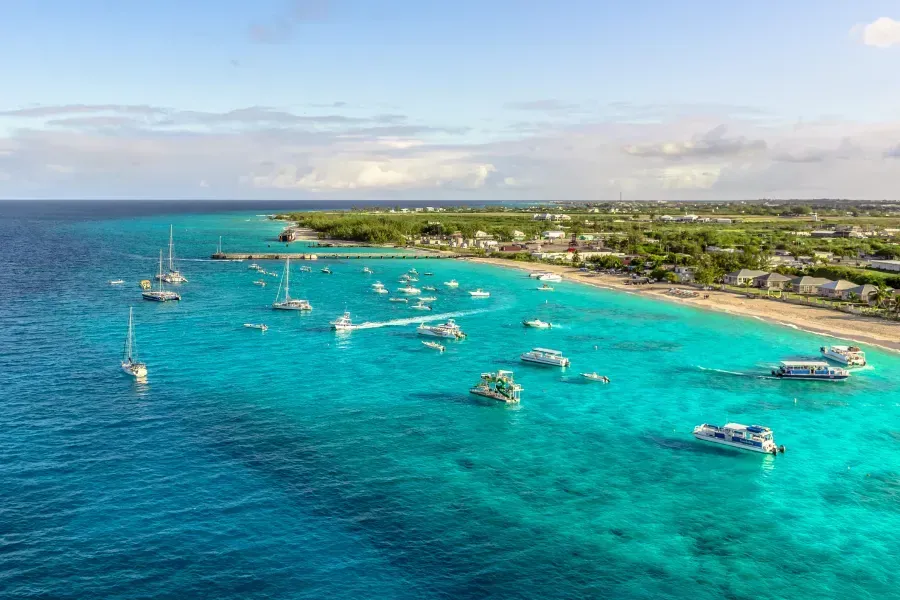

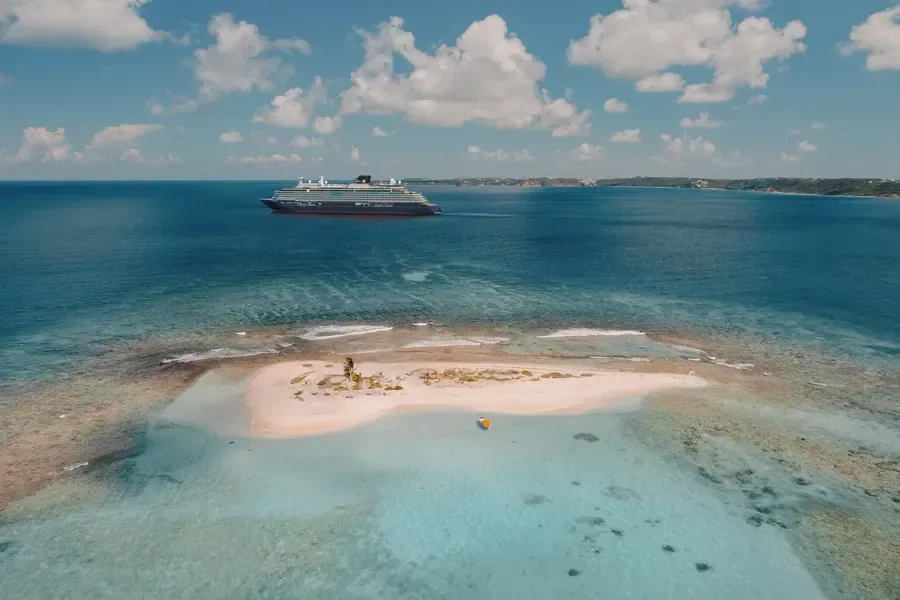


Forty low-lying islands, one of the largest barrier reefs on the planet, and water so clear it looks retouched. Grace Bay on Providenciales is the headline, but the conch shacks, blue holes, and wall diving are what bring people back.
The Flattest, Bluest Place in the Caribbean
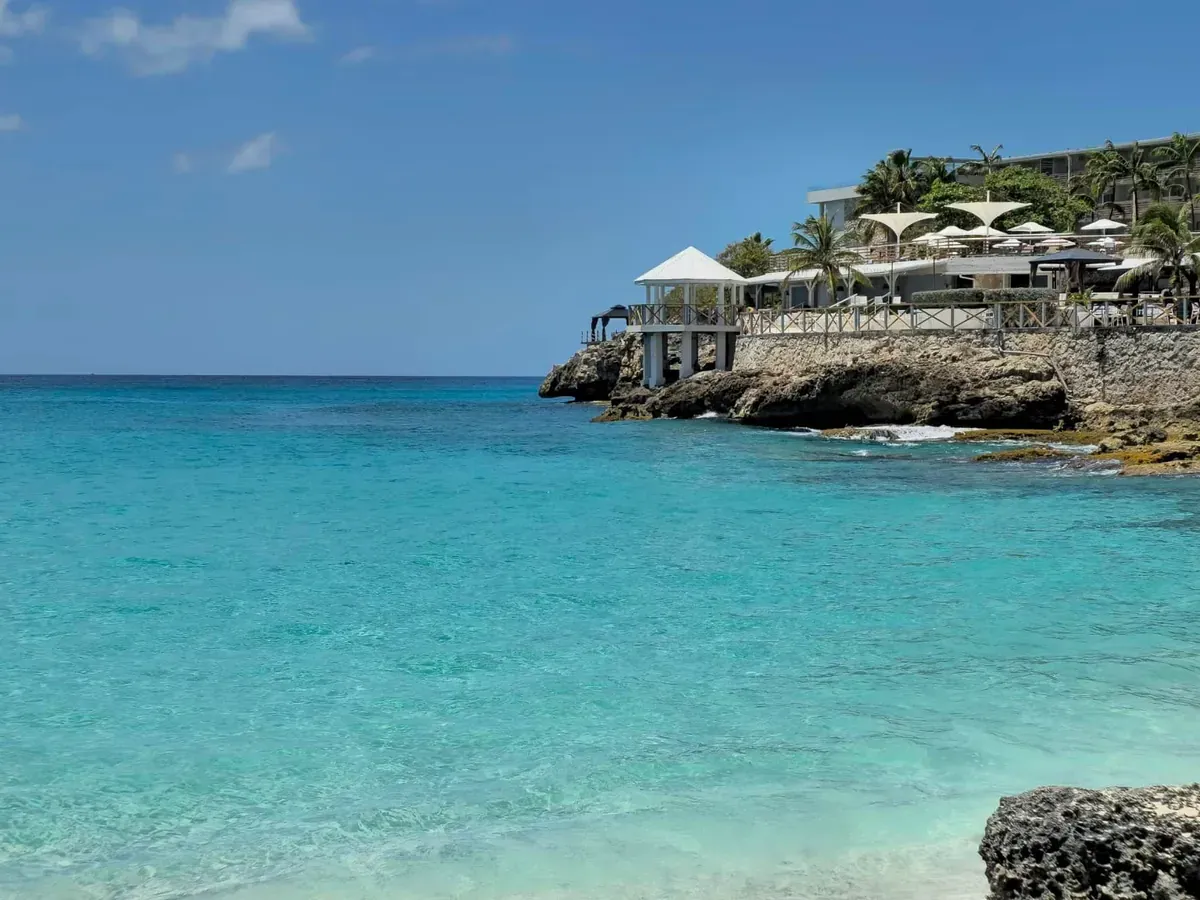
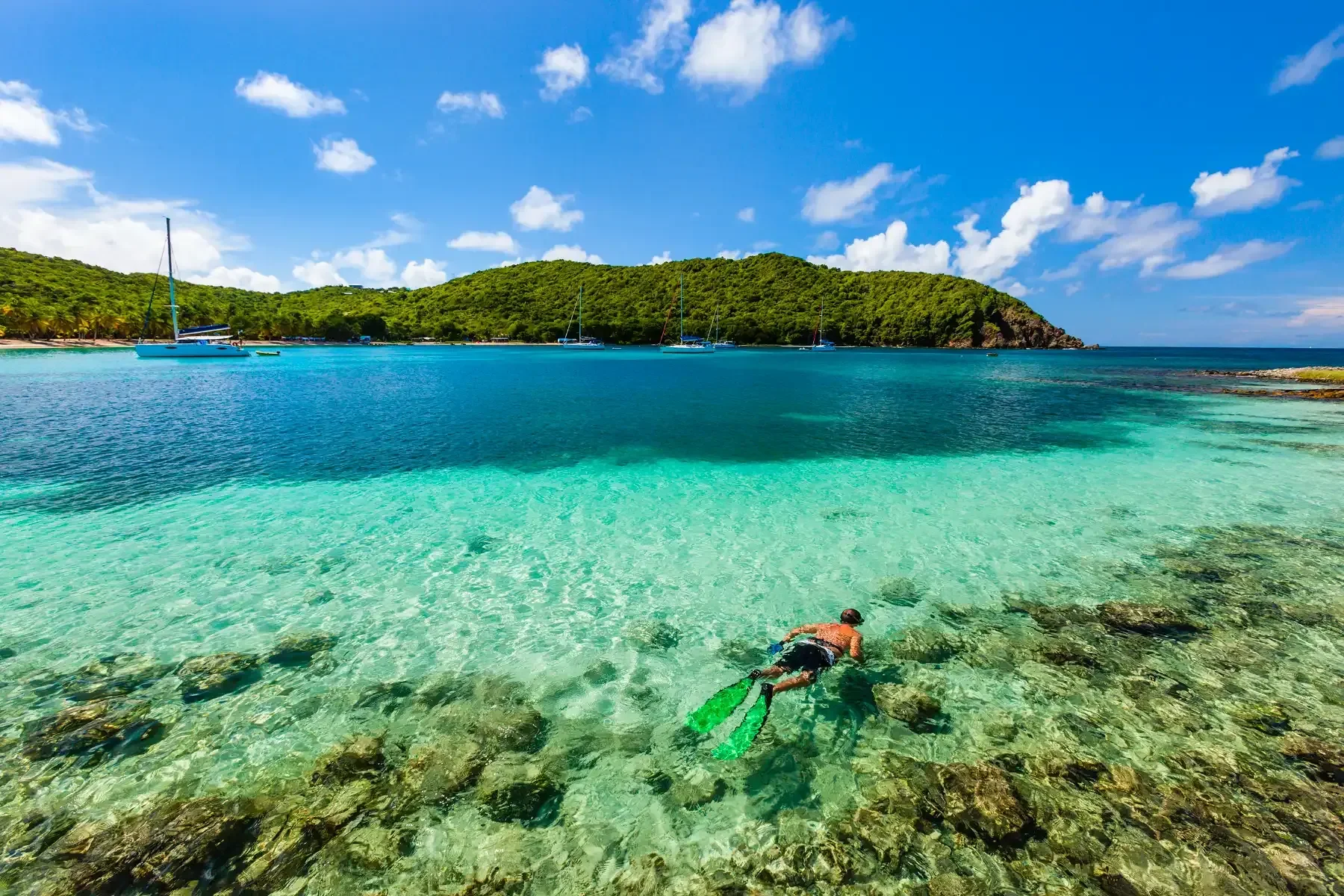
Turks and Caicos is a low-lying archipelago of about forty islands and cays sitting at the southeastern end of the Bahamas chain, and the geography does something specific to the water. There are no mountains here to send runoff into the sea, so the shallows stay astonishingly clear — the kind of blue that makes people accuse your photos of being edited.
Providenciales and Grace Bay
Most visitors arrive at Providenciales, known universally as Provo, and most of them end up on Grace Bay — twelve miles of powder-fine sand that regularly tops the world’s best-beach lists and, unusually, deserves it. The bay is protected by the reef offshore, which means the water is calm enough that you can wade out a very long way before it stops being waist-deep.
The Reef Is the Real Headline
The Turks and Caicos Barrier Reef is among the largest reef systems on the planet, and it sits close enough to shore that snorkeling requires no expedition planning. Beyond the reef the wall drops away dramatically, which is why the diving here has a serious reputation among people who dive seriously. Add the blue holes, the dry cave systems, and a conch industry that has been feeding the islands for centuries, and you have a destination that rewards curiosity as much as it rewards lying still.
Practical Notes
Cruise ships calling at Providenciales generally anchor and tender ashore. The currency is the US dollar, English is the official language, and the pace is deliberately unhurried — a place where the fastest way to get somewhere is often to stop trying.
Signature itineraries · 1
Our Turks and Caicos Islands itineraries.
Watch
Episodes from Turks and Caicos Islands
Keep reading
From the Savvy Traveler
Also in Caribbean + Central America