


Savvy Traveler · October 23, 2026
Seabourn Pursuit's Most Important Shore Day Was an X-Ray Clinic
When Robinson Crusoe Island's only X-ray equipment broke down, local health officials asked an incoming luxury expedition ship for help. Here's what Seabourn Pursuit's medical team did with that port call, and what it tells you about the ship you might be sailing on.
A port call that wasn’t in the brochure
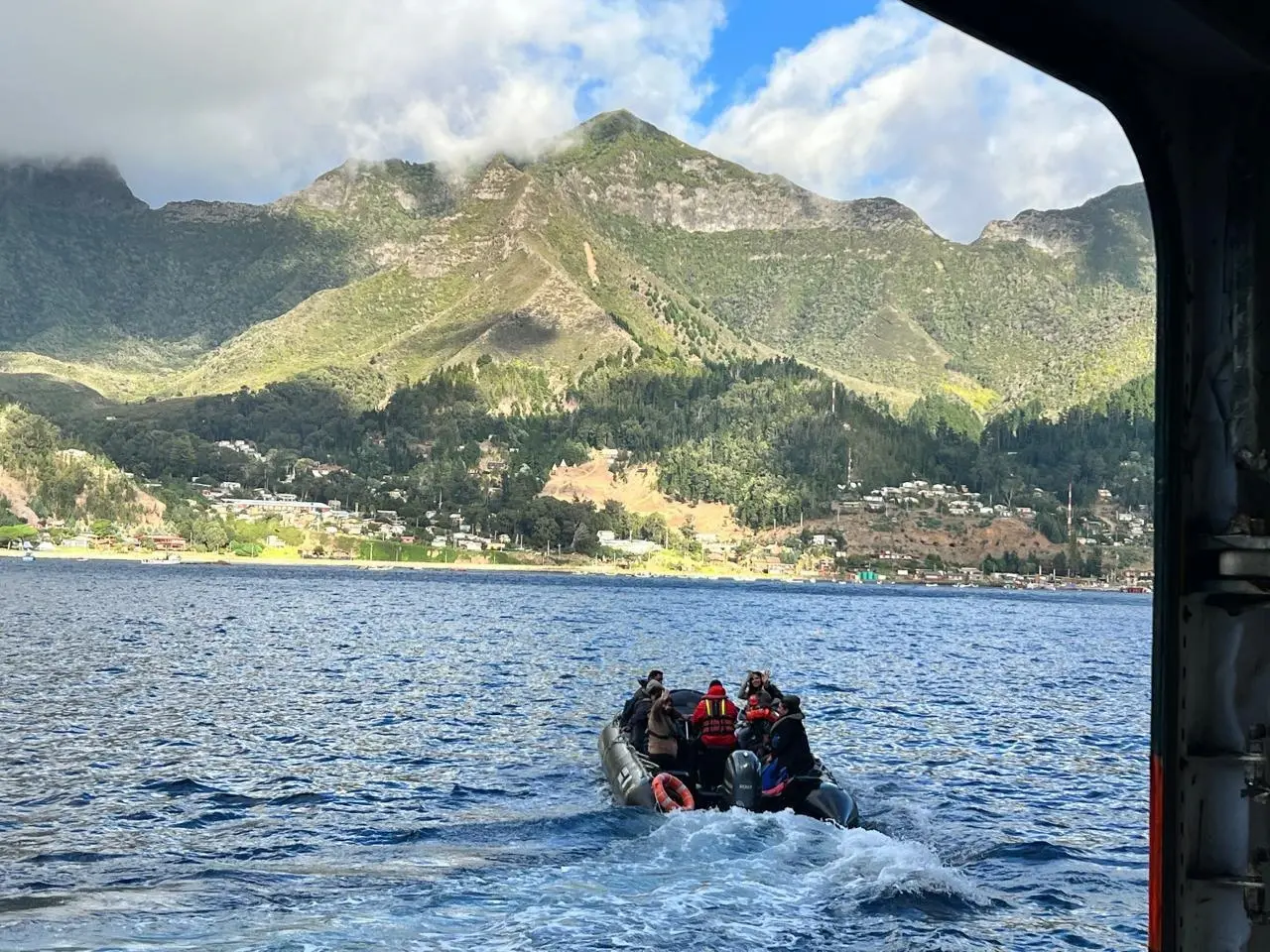
When a cruise ship drops anchor off a remote island, the usual good news for the locals is economic. Guests hire guides, buy lunch, take home a carving or two. When Seabourn’s expedition ship Seabourn Pursuit stopped at Robinson Crusoe Island on April 4, 2026, it brought something the island needed a lot more: X-rays.
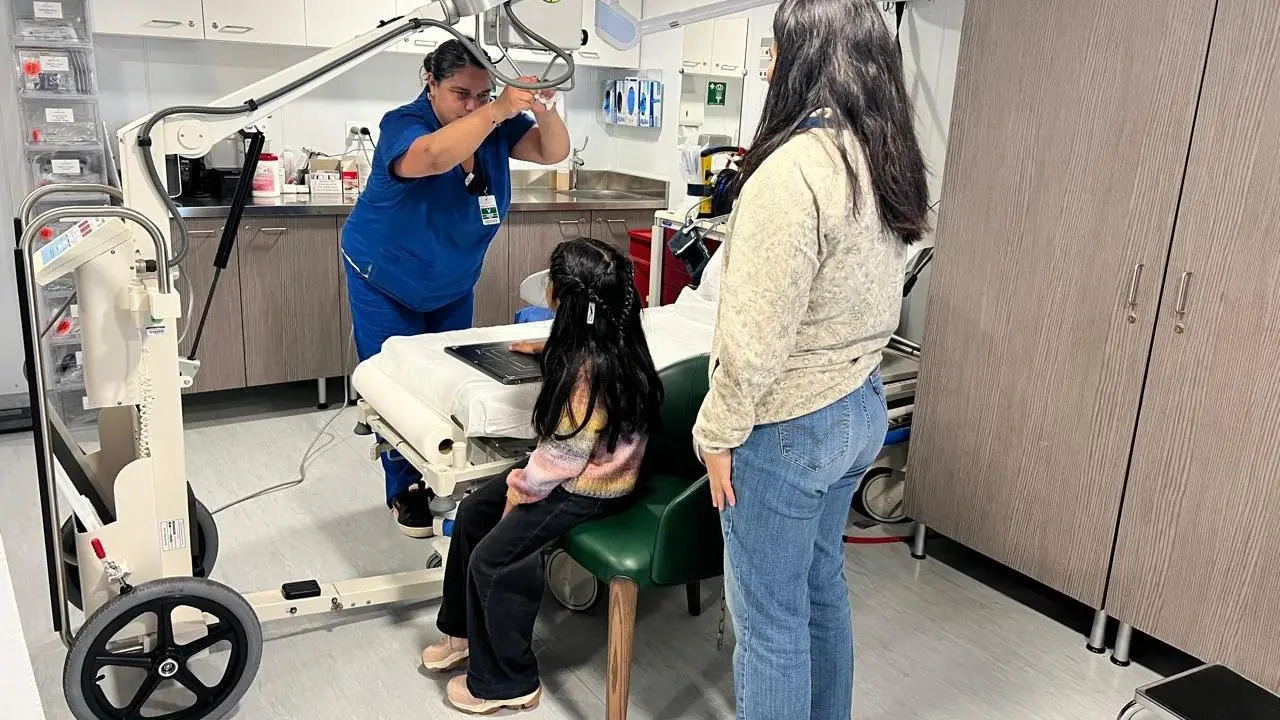
Here’s what happened. The island’s imaging equipment had been out of commission since February, and the list of residents waiting for scans kept getting longer. Cruise lines work closely with local officials in the places they visit, so the island’s health officials knew Pursuit was coming, and they asked Seabourn for urgent help. Working with Seabourn’s Health Operation Center, the ship’s medical team agreed, and spent the call X-raying island residents in the ship’s own medical center. Patients ranged from 4 years old to 71.
Then came the part I find quietly impressive. Seabourn brought in its telemedicine partner, HealthcareLive, to consult with the island’s doctors. That way the scans led to actual diagnoses and treatment plans, instead of becoming a stack of images with no one to read them.
“Seabourn Pursuit had the opportunity to give back to a community we visit. It was a privilege to work alongside the local medical team, and the gratitude from patients and families is something our crew will always remember.”
Dr. Nicolaas van der Merwe, senior doctor, Seabourn Pursuit
Dr. van der Merwe has also said requests like this aren’t planned, and can come in as little as a day before the ship arrives. So nobody blocked out a humanitarian afternoon months in advance. A crew with a full ship of guests to look after said yes on short notice.
Wait, Robinson Crusoe Island is real?
Very real, and the name isn’t a marketing stunt. Robinson Crusoe Island is part of Chile’s Juan Fernández Islands, about 400 miles out into the Pacific from San Antonio and Valparaíso, the mainland ports that serve Santiago. In the early 1700s, a Scottish sailor named Alexander Selkirk was marooned here for more than four years, and his story is widely credited as an inspiration for Daniel Defoe’s novel. Chile renamed the island after the fictional castaway in 1966. The real one never got an island.
About 1,000 people live there today, most of them in the village of San Juan Bautista. The economy runs on two things: tourism and the Juan Fernández rock lobster, a spiny, hard-shelled, bright orange lobster that islanders have fished for generations and ship around the world as a sustainably harvested delicacy. By most estimates the lobster fishery supports around 70% of the island. Cruise visits are rare.
This is not a community that needs rescuing. In 2010, a magnitude 8.8 earthquake off mainland Chile sent a tsunami into the island’s bay and wrecked much of the village. The islanders rebuilt it themselves. What they can’t change is geography. The local clinic has a doctor, nurses and technicians, and it handles basic care and first aid well. Anything specialized, though, means getting off the island, which is expensive, slow and sometimes just not possible. On the mainland, a broken X-ray machine is an inconvenience. Four hundred miles out, it means people go months without a diagnosis.
Why this matters if you’re the one in the suite
I’m happy to let this be a feel-good story, because it is one. But it also tells you something useful about the ship.
Pursuit didn’t borrow an X-ray machine for the day. It was already aboard, along with the people who know how to use it, because a ship that spends its life in Antarctica, Australia’s Kimberley coast and the far corners of the South Pacific has to look after its own guests a long way from the nearest hospital. That’s not a luxury feature you’ll see in the brochure. On an expedition ship, it’s the whole point.
It’s also why expedition lines are so serious about your insurance. Even a ship with a good medical center can only do so much when the nearest hospital is a flight away, and getting you there is very expensive. If that’s news to you, our breakdown of Antarctica travel insurance requirements covers what operators require and why.
And the guests? I’d bet the people aboard Pursuit that day remember the island they helped longer than they’ll remember any landing. In our experience, travel gets more meaningful when you leave a place a little better than you found it. That’s why our family gives to causes in the places that welcome us, and you can read about them on our Giving Back page.
Meet the ships: Seabourn Venture and Seabourn Pursuit
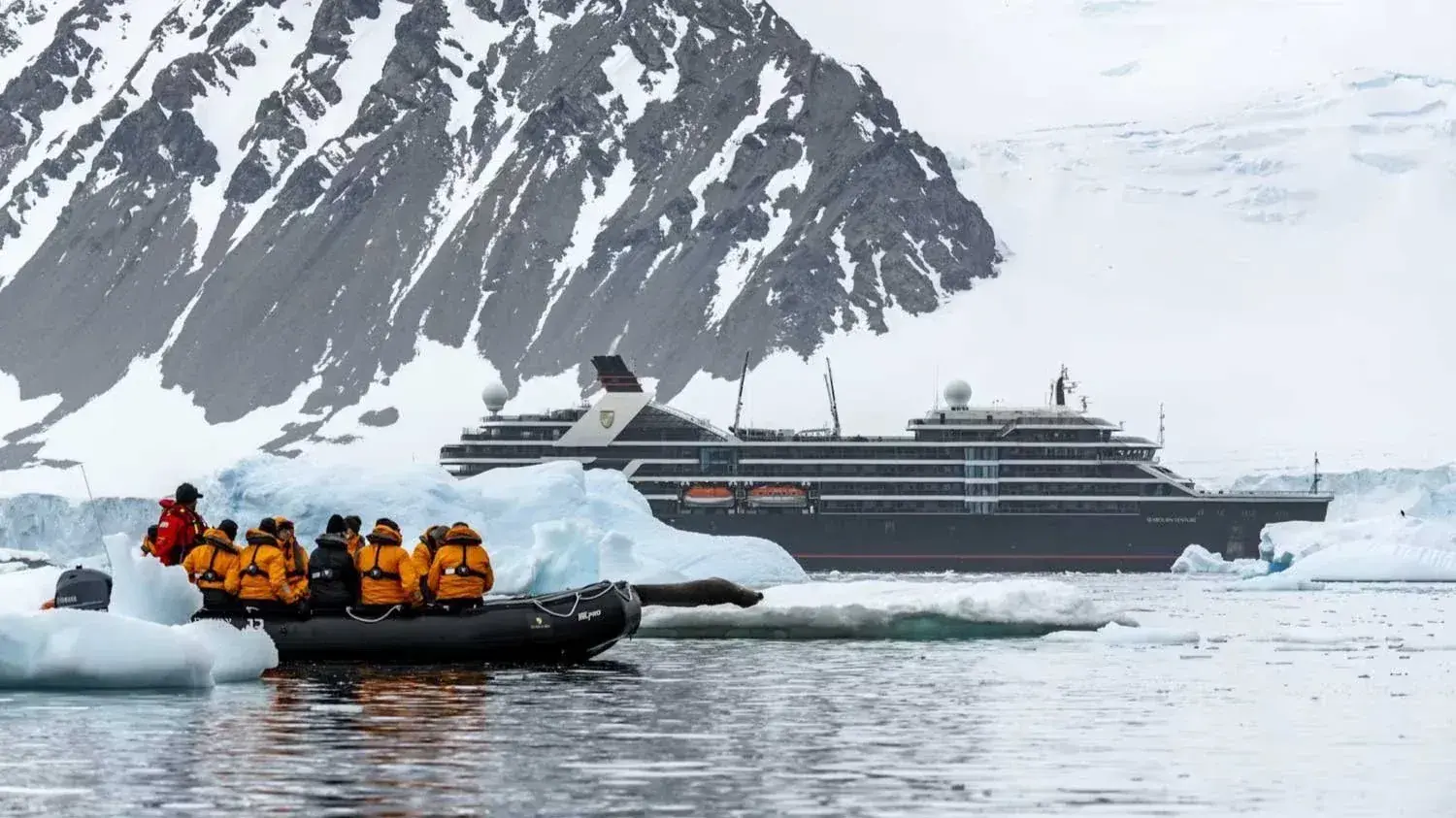
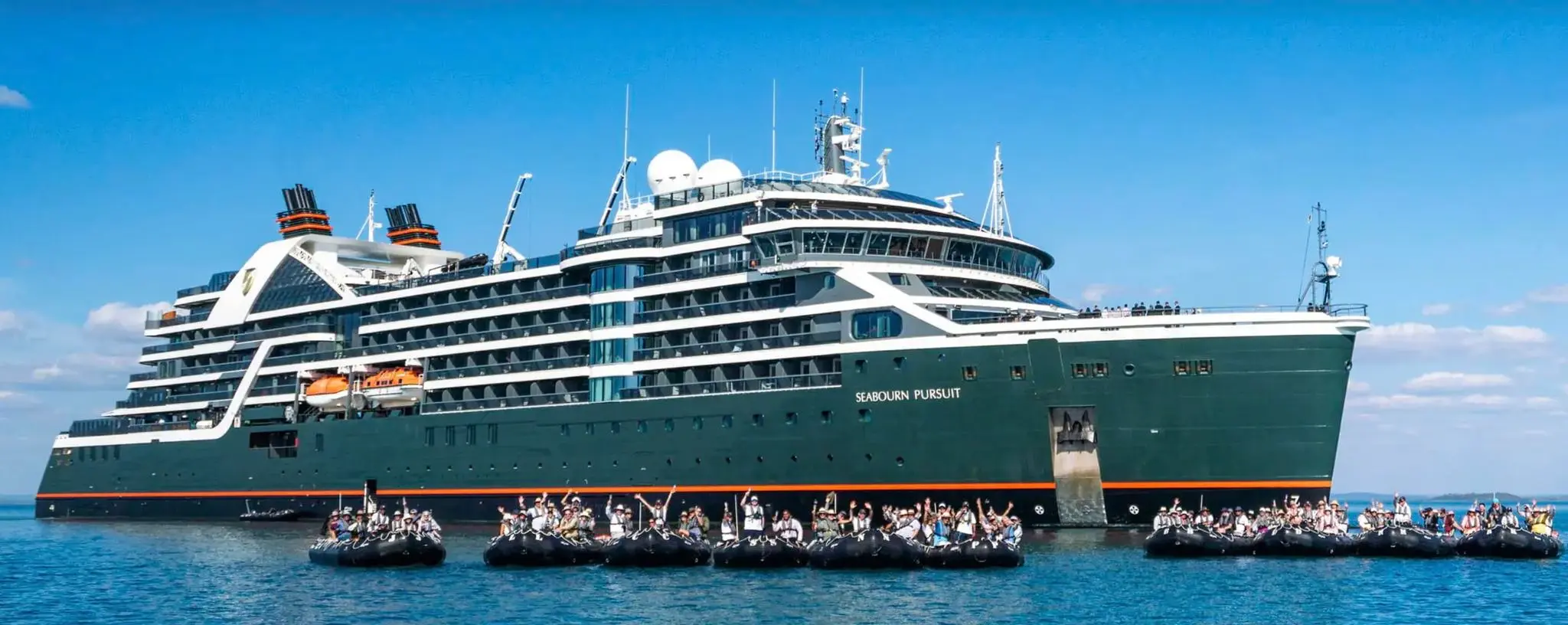
Seabourn has two ultra-luxury ships built specifically for expedition cruising: Seabourn Venture and Seabourn Pursuit. They’re near-twins, each with 132 suites and room for 264 guests, so the experience feels intimate and the service personal. Each one carries a 19-to-23-person expedition team of biologists, historians, geologists and other experts who lead the lectures and take you ashore by Zodiac and kayak. And yes, each ship carries two custom submarines, which is a sentence I never expected to write about a cruise.
Interest in luxury expedition cruising has taken off, especially among travelers chasing once-in-a-lifetime itineraries, and these ships are a big reason why. Their South Pacific voyages run anywhere from 12 to 72 days, and they’re small enough to slip into ports and coves that big ships can’t reach. That’s how a ship ends up anchored off an island of 1,000 people in the first place.
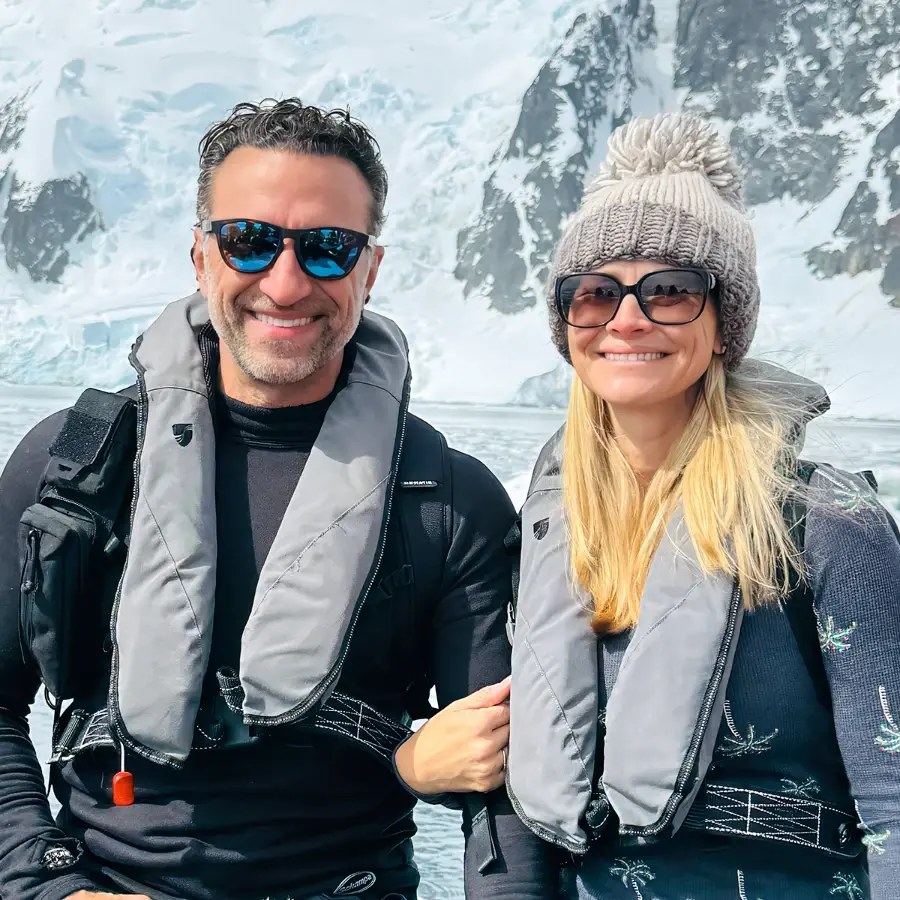
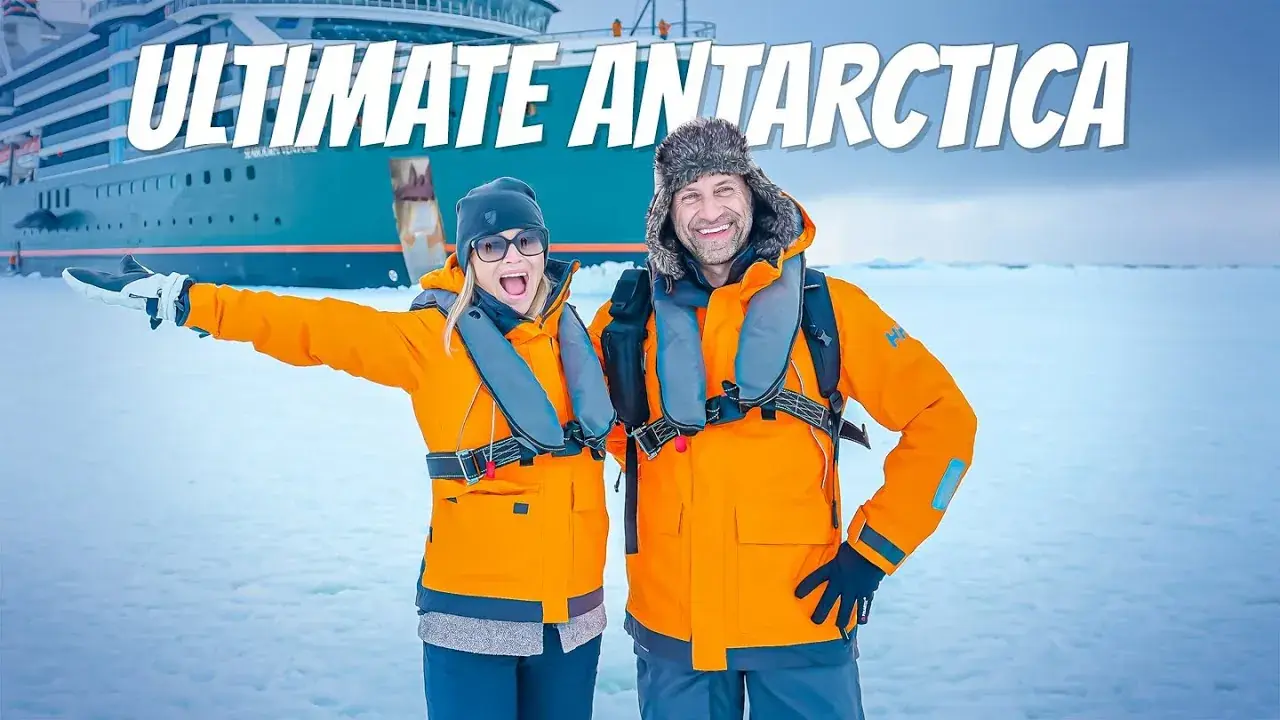
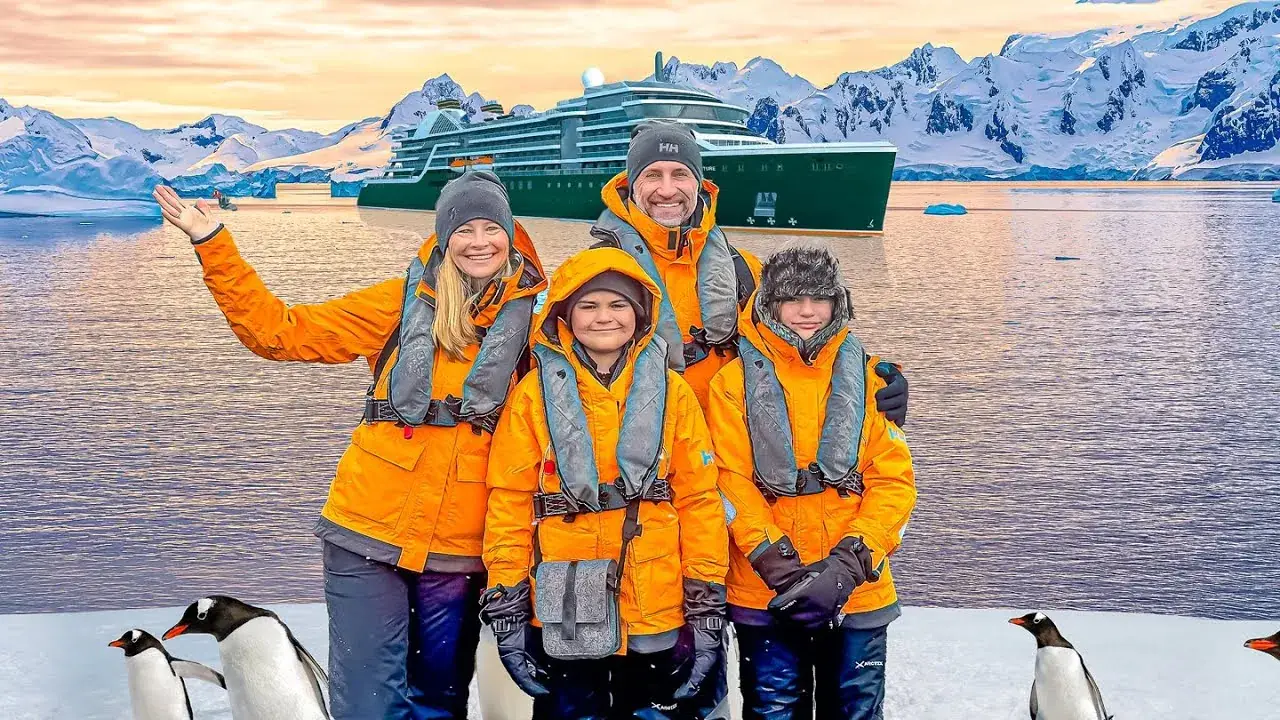
We know this ship firsthand. In 2024, Seabourn Venture took us to Antarctica on our very first hosted group trip, with 20 travelers along for the ride, and it’s the voyage that cured us of saying we’re “not cruise people.” (The long version of that story is here.) Since Pursuit is Venture’s twin, our ship tour from that trip is also a pretty good look inside Pursuit.
For the full picture of the line, from the ocean fleet to the expedition ships, start with our guide to Seabourn. If one of these ships is already on your list, our 11-day Seabourn Antarctica voyage and 10-day Seabourn Kimberley cruise are good places to start.
Thinking about one of these ships?
Seabourn’s expedition calendar runs from Antarctica to the Kimberley to the South Pacific, and the suites on these two ships fill early. Tell us where you’re dreaming of going and when, and we’ll match you to the right sailing and the right suite, with all of our perks included. Request a quote, or if you’d rather talk it through first, start here.
Watch
Episodes on this

Keep reading