Antarctica Travel Insurance: What's Actually Required + How to Save Without Skimping
Argentina now requires foreign visitors to carry travel medical insurance, and every Antarctica expedition ship has its own evacuation minimum on top of that. Here's what's actually required from each gateway, why your fancy credit card probably isn't enough on its own, and how to trim the premium without gutting the coverage.

Quick Take
- Argentina requires it. Since July 2025, foreign visitors entering Argentina (which is nearly everyone sailing from Ushuaia) are required to carry travel medical insurance covering medical care, hospitalization, and evacuation. Border checks have been spotty, but the rule is on the books.
- Your ship requires more. Every Antarctica expedition operator requires emergency medical evacuation coverage, commonly somewhere between $100,000 and $500,000, and some want proof weeks before you sail. No proof, no boarding.
- Other gateways vary. Chile doesn't make insurance an entry condition for tourists, but the Falkland Islands do expect visitors to carry evacuation coverage, and your operator's minimum applies no matter where you depart.
- Credit cards are a supporting actor, not the star. Card evacuation caps often sit below ship minimums, medical coverage is thin to nonexistent, cancellation caps rarely match Antarctica fares, and "covered traveler" definitions can leave friends, parents, or anyone whose fare went on a different card out in the cold.
- You can save without skimping. Buy early, insure only what's truly nonrefundable, check for plans that cover kids free, and compare quotes. Request a quote or ask Erin to sanity-check what you've already got.
Here's a fun little plot twist nobody puts in the Antarctica brochure: before you ever see a penguin, you'll probably need to prove you're insured. Twice. Once for the country you fly into, and once for the ship that carries you across the Drake Passage. It's not the sexiest part of planning a trip to the bottom of the world, but it's the part that can literally keep you on the pier while everyone else waves goodbye.
Consumer travel writer Christopher Elliott recently published a solid piece on saving money on travel insurance without sacrificing the coverage you need. Great topic, and a lot of it holds up. But Antarctica expedition cruises are their own weird, wonderful sitch. The rules are stricter, the price tags are bigger, and some of the most common money-saving hacks ("my credit card has me covered!") fall apart the moment you're 600 miles from the nearest hospital.
So let's walk through what's actually required, what varies depending on where you depart, where people get tripped up, and how to keep your premium reasonable without being delulu about the risks. Full transparency before we start: we do earn a commission when clients buy travel insurance through us. But we'd rather you walk away from this article knowing exactly what you need, even if you buy it somewhere else. An informed traveler is our favorite kind.
Wait, Does Argentina Actually Require Travel Insurance Now?
Short answer: yes, on paper. In May 2025, Argentina published Decree 366/2025, a sweeping update to its immigration law. Starting July 1, 2025, foreign visitors entering the country are required to carry travel health insurance that covers medical care, hospitalization, and emergency evacuation for the length of their stay. The requirement applies whether you arrive by air, land, or sea, and it applies to tourists regardless of how long they're staying.
Why does that matter for Antarctica? Because the vast majority of Antarctica voyages depart from Ushuaia, and the vast majority of Americans get there by flying into Buenos Aires and connecting south. Even if you only spend one night in Argentina before boarding, you're entering the country, which means the rule applies to you.
Now for the honest, boots-on-the-ground part. Enforcement has been inconsistent. Plenty of travelers report breezing through Ezeiza without anyone asking to see a policy, and the sworn declaration that was supposed to accompany the requirement still hadn't been implemented as of mid-2026. The decree also doesn't set a minimum dollar amount or publish a list of approved insurers. Argentine courts have knocked down other sections of the same decree (the citizenship pieces), but as of this writing the health coverage requirement itself is still standing.
And it's getting more teeth, not fewer. In August 2026, Argentina's Ministry of Health rolled out Resolution 1066/2026, which lets national public hospitals bill non-resident foreigners for non-emergency care unless they present insurance or pay up front. Emergency care is still provided regardless. Translation: "nobody checked at the airport" is not the same thing as "you don't need it." As the old saying goes, an ounce of prevention is worth a pound of cure, and in this case the cure comes with an invoice.
What If You're Not Sailing From Ushuaia?
Good question, and one we get a lot. Not every Antarctica trip routes through Argentina, and the government rules change depending on your gateway. The operator rules (more on those in a sec) follow you no matter where you start.
Chile (Punta Arenas). Fly-cruise itineraries that skip the Drake by flying from Punta Arenas to King George Island are popular with travelers who'd rather not do the full Drake Shake. Chile does not currently make travel insurance a condition of tourist entry for U.S. passport holders. That said, Chilean private healthcare isn't cheap, and your ship's insurance requirement still applies in full. And if your routing connects through Buenos Aires on the way down, Argentina's rule is back in play.
The Falkland Islands and South Georgia. Longer voyages that include the Falkland Islands and South Georgia bring another government into the mix. The Falkland Islands Government expects visitors to carry travel insurance that includes medical evacuation, and its own immigration guidance recommends aeromedical evacuation coverage in the seven figures. Cruise passengers stepping ashore for the day are generally handled differently than land-based visitors, but it's one more reason a bargain-bin policy is a suss choice for a Falklands, South Georgia, and Antarctica combo.
South Africa, New Zealand, and Australia. A smaller slice of Antarctic travel starts from Cape Town (mostly fly-in camps and the occasional repositioning voyage) or from New Zealand and Tasmania for the Ross Sea side of the continent. None of those gateways make proof of travel insurance an entry condition for U.S. tourists the way Argentina does. But Ross Sea voyages are some of the most remote sailings on the planet, and operators price their evacuation requirements accordingly.
Bottom line: the government rules are the floor, not the ceiling. Wherever you depart, the requirement that actually decides whether you board is the one your ship sets.
The Rule That Actually Bites: Your Ship's Insurance Requirement
Here's the part that isn't up for debate or subject to a sleepy border agent. Every Antarctica expedition operator requires guests to carry emergency medical evacuation coverage. There are no hospitals on the continent. If something goes wrong, getting you to real care can involve a ship diversion, a flight from a gravel airstrip, and an air ambulance back to South America, and the bill can easily blow past six figures. Across the industry, Antarctica evacuation minimums commonly land somewhere between $100,000 and $500,000, depending on the operator and the itinerary.
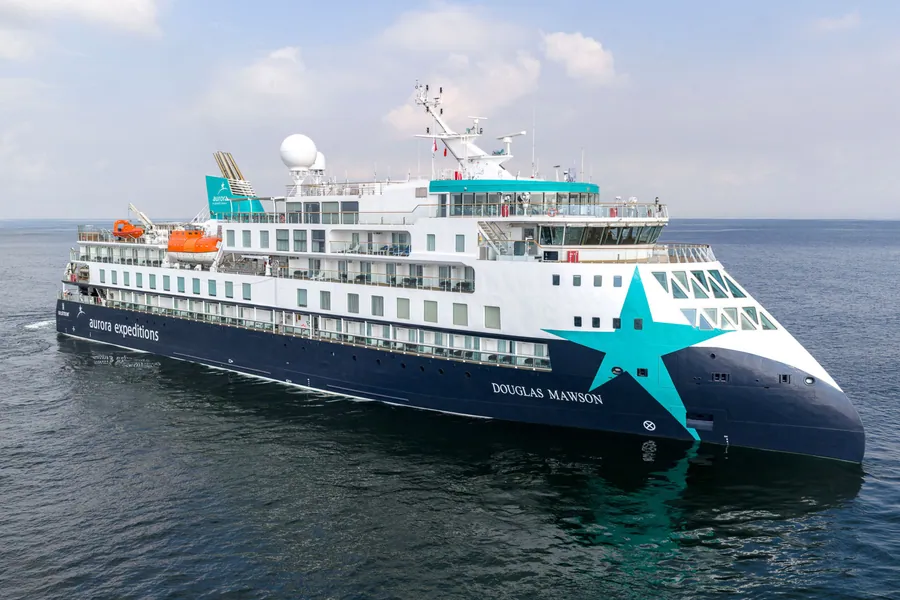
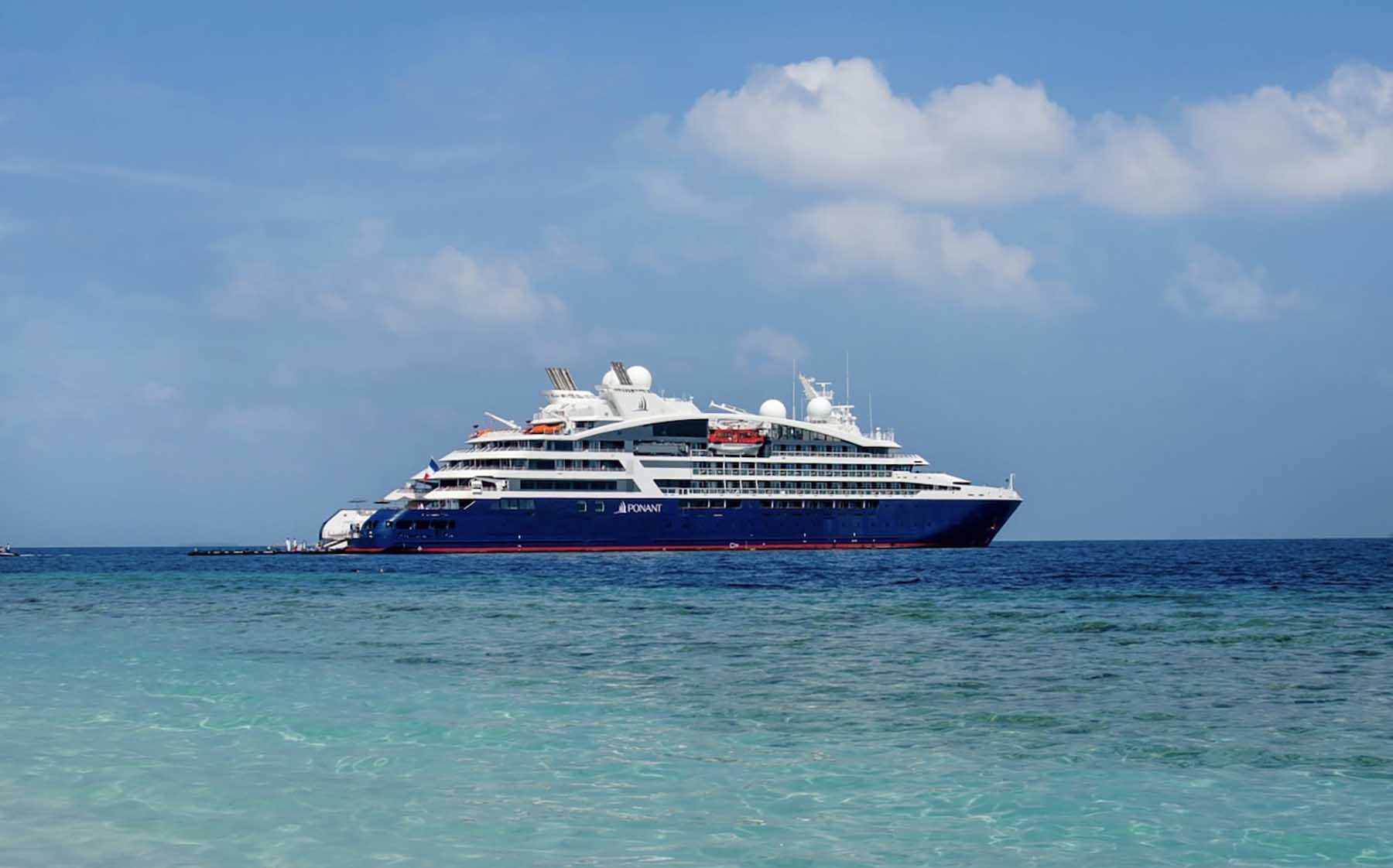
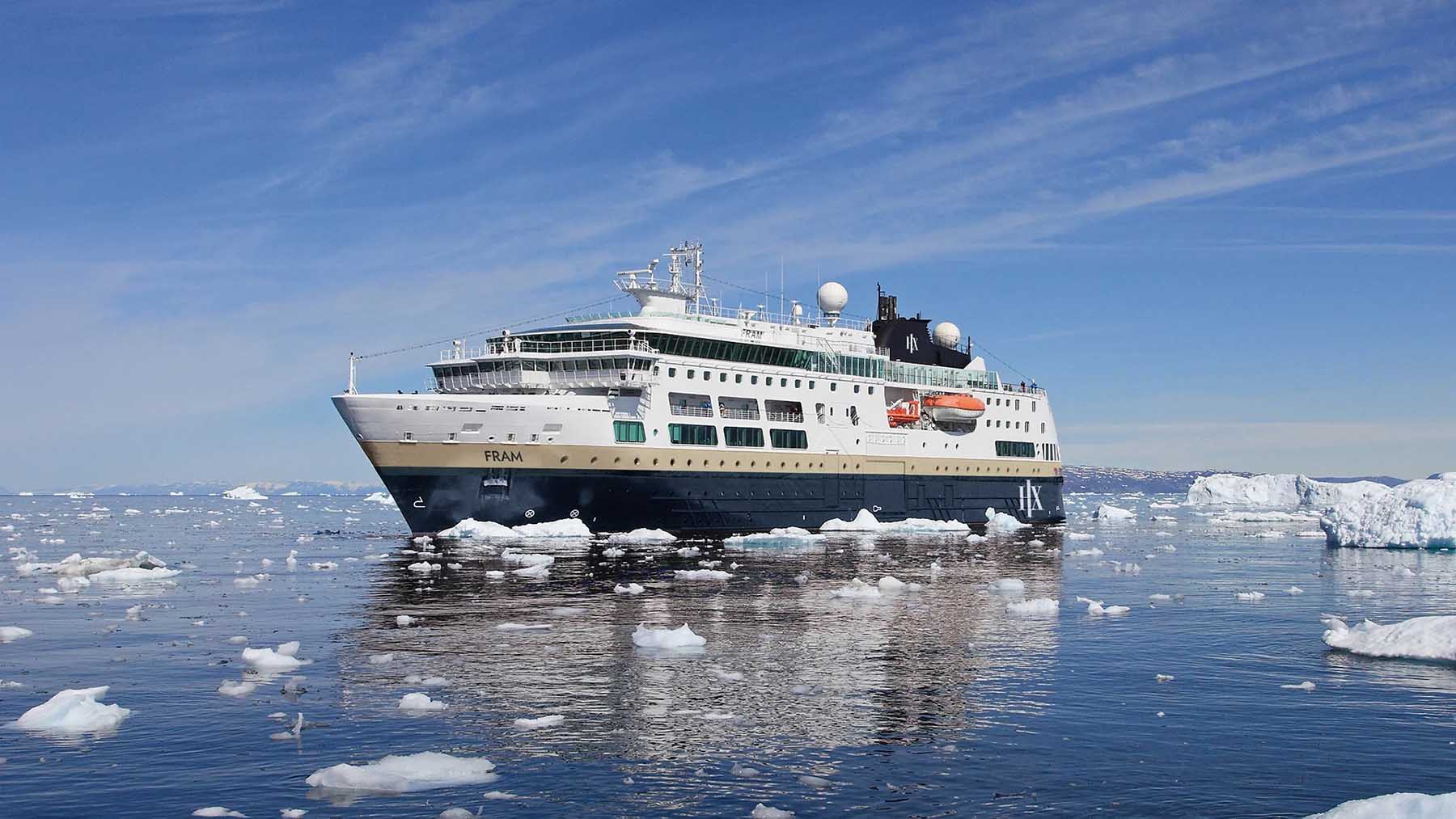
To give you a real-world example: Aurora Expeditions requires polar guests to carry accident and emergency evacuation or repatriation coverage of at least $250,000, and wants proof of insurance emailed to them no later than 60 days before departure. That's not a "show us at the gangway" sitch. That's a paperwork deadline, and missing it gets awkward fast. Quark Expeditions, HX Expeditions, Ponant, Seabourn, and every other polar operator we work with have their own requirements, and the numbers and deadlines aren't identical. Your specific ship and sailing decide the minimum, not a blog post, including this one.
A few fine-print gotchas we see trip people up. Some policies exclude travel south of 60 degrees latitude, which is basically all of Antarctica. Some exclude "adventure activities," which can include the kayaking and ice camping add-ons you were most excited about. And some plans cap evacuation coverage by destination or require the insurer's assistance team to approve and arrange any evacuation. Read the policy wording, not the marketing page. The devil's in the details, and in Antarctica the details are extra chilly.
Also worth knowing: medical evacuation memberships (the "we'll come get you" services) are great products, but most of them handle transport, not hospital bills. On their own, they typically won't satisfy an operator that requires medical coverage too. Think of them as a potential add-on, not a replacement.
The Credit Card Coverage Trap
This is where Erin gets fired up, and for good reason. A lot of our clients carry premium travel cards, and a lot of them assume that card has the whole trip handled. Sometimes it helps. Rarely is it enough on its own for Antarctica, and couples, families, and friend groups have extra landmines to dodge.
Who counts as "covered" isn't always who's on the trip. Every card defines its covered travelers in its Guide to Benefits. Some benefits cover only the cardholder. Many premium cards extend certain protections to immediate family, but that doesn't automatically include your best friend and her husband sharing the cabin next door, and definitions vary card to card and benefit to benefit. Coverage also typically only kicks in when the trip was paid for with that card. So if you and your spouse split the fare across two different cards, or your adult kids paid their own way, or Grandma covered her cabin with her own credit card, you could end up with a patchwork where some people are covered and some aren't. Erin's rule of thumb: assume nothing, verify everyone.
The numbers usually don't match an Antarctica fare. Take the Chase Sapphire Reserve, one of the strongest cards out there for travel protections. It offers up to $100,000 in emergency evacuation coverage, which is legit, but it falls below minimums like Aurora's $250,000. Its emergency medical benefit tops out at $2,500 with a deductible, which barely covers a nice dinner in Ushuaia, let alone a hospital stay. Trip cancellation is capped at $10,000 per person and $20,000 per trip. The Amex Platinum's trip cancellation benefit is capped at $10,000 per trip and $20,000 per 12-month period, and it doesn't cover emergency medical expenses abroad. Its Premium Global Assist hotline can arrange emergency medical transportation, but it doesn't pay your medical bills. Compare those caps to a two-person Antarctica voyage that can easily run $30,000 to $60,000 and the gap gets obvi. (Card benefits change, so always pull your current Guide to Benefits before relying on these numbers.)
Proof is its own headache. Operators want documentation that names the traveler and shows the evacuation limit. A card's generic benefits guide usually doesn't cut it. Some operators may accept a letter of coverage from the card's benefits administrator, and many won't. As the saying goes, hope is not a strategy, especially 60 days out from a paperwork deadline.
None of this means your card is useless. Its trip delay, baggage, and rental car coverage can be genuinely handy. It just belongs in a supporting role alongside a real policy, not headlining the show. If you're weighing which card to carry in the first place, our breakdown of travel perks credit cards and our deep dive into whether the Amex Platinum annual fee is worth it are good places to start.
Suggested Trips


How to Spend Less Without Gutting Your Coverage
Okay, here's the good news. Antarctica insurance doesn't have to be a budget-wrecker. Elliott's piece and our own experience line up on a handful of moves that save real money while keeping the coverage that matters. Penny wise and pound foolish is not the vibe we're going for.
Buy early. Most comprehensive plans offer a pre-existing condition waiver only if you purchase within a short window after your first trip payment, often around two to three weeks, and many require you to insure the full nonrefundable trip cost to qualify. Cancel For Any Reason upgrades usually have the same early-purchase rule. Since most Antarctica deposits go down 12 to 18 months ahead (and we've written about why you want to reserve way in advance), put insurance on your to-do list the same week you pay the deposit. The early bird catches the waiver.
Insure only what you'd actually lose. Trip cancellation premiums are priced as a percentage of the trip cost you insure. If your hotel in Buenos Aires is fully refundable, or you'd happily take an airline credit instead of cash, you may not need to include those costs. Just don't trim so aggressively that you lose the pre-existing condition waiver if you need it. Measure twice, cut once.
Don't pay for adults when kids ride free. Some major plans cover children 17 and under at no additional cost when they travel with a parent or grandparent. For the multigenerational crews we plan for (and we're big fans of multigenerational family cruises), that can shave a meaningful chunk off the total.
Consider an annual plan, carefully. If you travel several times a year, an annual policy can cost less than stacking single-trip plans. The catch for Antarctica: annual plans often cap trip cancellation per trip well below an expedition fare, and some exclude remote polar regions or adventure activities. It can work for the medical and evacuation side while you handle cancellation separately, but read the fine print before you celebrate.
Unbundle strategically. Some travelers pair a card's cancellation benefit with a standalone medical and evacuation policy. That can work on smaller trips. On an Antarctica fare, the card's cancellation cap usually leaves a big uninsured chunk, so run the math before assuming you're covered. And skip the checkbox at checkout on autopilot. Whether it's the cruise line's plan or a third-party policy, compare a few options side by side against your operator's requirements.
Compare apples to apples. The cheapest quote with $100,000 in evacuation coverage isn't a deal if your ship requires $250,000. Start with your operator's minimum, the destinations the policy needs to name, and the activities you've added, then shop price. Insurance pricing in the U.S. is filed and regulated, so buying through an advisor generally doesn't cost you more than buying the same plan direct.
Quick Reference: Antarctica Insurance Requirements by Gateway
| Gateway | Government Insurance Requirement | What to Watch |
|---|---|---|
| Ushuaia / Buenos Aires, Argentina | Yes. Medical, hospitalization, and evacuation coverage required for foreign visitors since July 2025 | Enforcement is spotty, but non-emergency public hospital care now requires insurance or prepayment |
| Punta Arenas, Chile (fly-cruise) | No entry requirement for U.S. tourists | Connecting through Buenos Aires brings Argentina's rule back into play |
| Falkland Islands (en route) | Visitors expected to carry insurance that includes medical evacuation | Government guidance recommends very high aeromedical evacuation limits |
| Cape Town, New Zealand, Tasmania | No entry requirement for U.S. tourists | Ross Sea and fly-in trips are extremely remote; operator minimums can run high |
| Every expedition operator | Not a government rule, but mandatory to board | Evacuation minimums commonly $100,000 to $500,000, plus proof deadlines |
Requirements change. Always confirm your specific operator's current minimums and your gateway country's entry rules before departure.
Ask Erin (Or Just Get a Quote)
If you've read this far, you're already ahead of most travelers heading south. The real trick is matching the right policy to your exact ship, itinerary, add-ons, and travel party, and that's where a quick convo saves a lot of guesswork.
Already have a policy or a premium card and want a second set of eyes? Ask Erin. She'll check it against your operator's requirements and flag any gaps, including the who's-actually-covered question for couples, families, and friend groups. Starting from scratch? Request a travel insurance quote and we'll line up options that meet your ship's minimums without padding the premium.
Still choosing a ship? Our Antarctica ship comparison tool and our breakdown of what an Antarctica cruise actually costs are great next stops, and our free Antarctica planning guide covers the whole shebang, from picking your sailing to packing your parka. When you're ready to talk real voyages, request a custom quote and we'll take it from there.