



Savvy Traveler · September 22, 2026
The Ultimate Guide to HX (Hurtigruten Expeditions): Basecamp Ships, Real Science, and the Poles
HX is the expedition arm of Hurtigruten, the Norwegian company that has been sailing to the edge of the map since 1896. We've sailed with them twice, in the Galápagos and in Alaska. Here's how the ships, the science and the basecamp idea actually work, and how HX answers the Antarctica ship-size question.
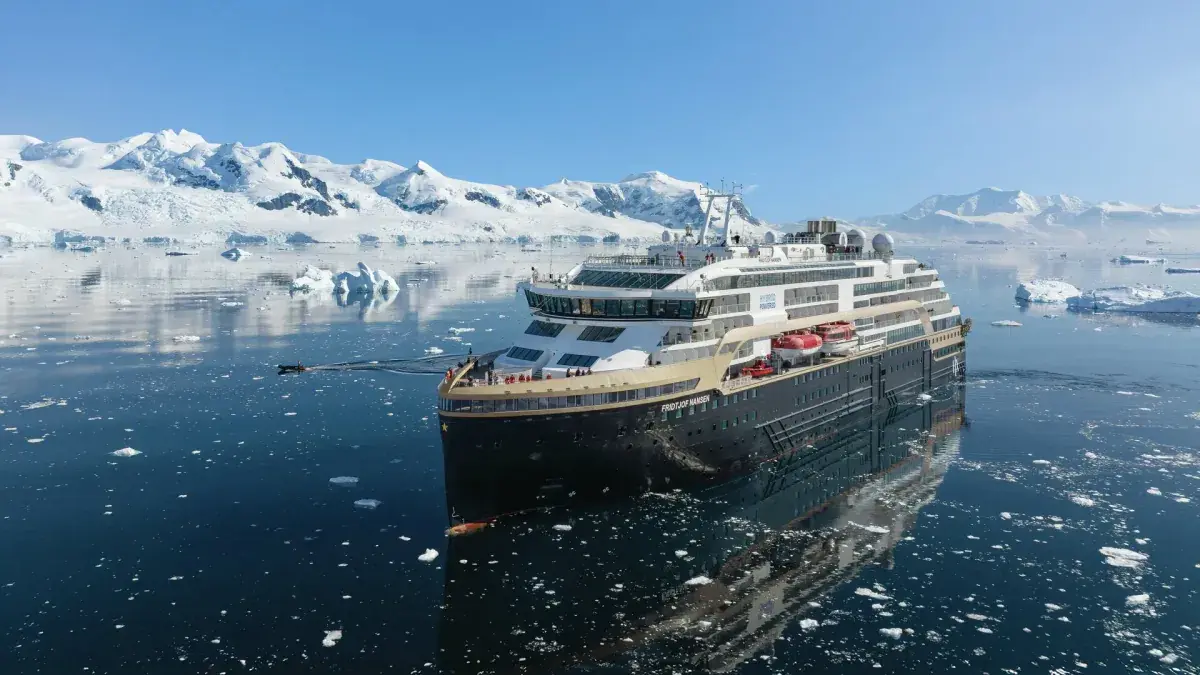
If you have been browsing expedition cruises lately, you’ve noticed a two-letter name showing up everywhere: HX Expeditions. You might be wondering who these guys are and where they came from. The answer is both simple and a little complicated. HX is the rebranded identity of Hurtigruten Expeditions. They are not the new kids on the block. They are, arguably, the grandparents of the entire industry.
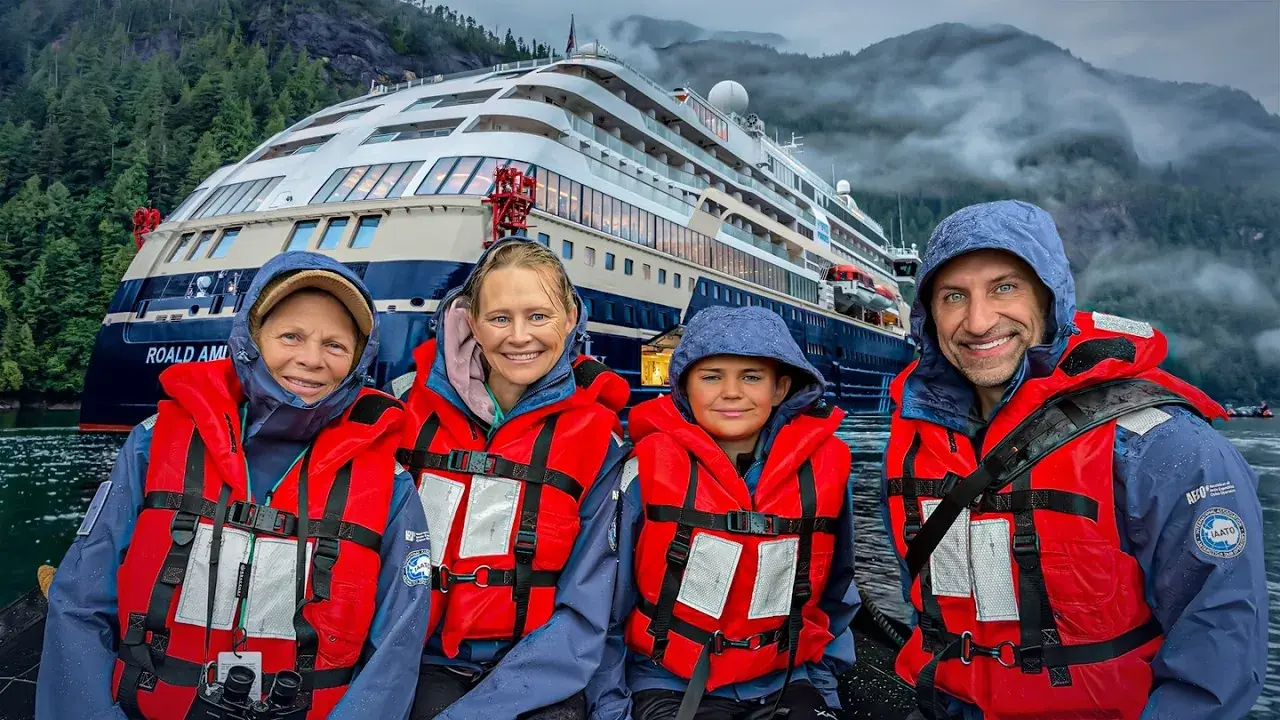
We can also tell you what it’s like from the inside, because we’ve sailed with HX twice. In 2025 the whole family did nine days in the Galápagos aboard the Santa Cruz II, and in the summer of 2026 Erin, Colt, Erin’s mom Mary and I did ten days through Alaska’s fjords on the MS Roald Amundsen. Two very different ships, two very different corners of the map, one consistent idea about what an expedition is for. This guide is the scout report with our own footage attached.
Hurtigruten or HX? Untangling the Norwegian knot
For over 130 years, “Hurtigruten” (The Fast Route) has meant the coastal ships that run up and down Norway from Bergen to Kirkenes carrying mail, locals and travelers. That service still exists and it is wonderful, but it is not an expedition.
Over the decades the company started sending ships further afield, to Antarctica, Svalbard and beyond, and eventually the two products were so different that they split the company in two. So, once and for all: Hurtigruten is the coastal route in Norway. HX is the global expedition fleet that sails to the ends of the earth. If you want the long version of the split, including how to avoid booking a ferry when you wanted a polar expedition, we scouted the rebrand separately.
What we saw: the Galápagos and Alaska, on camera
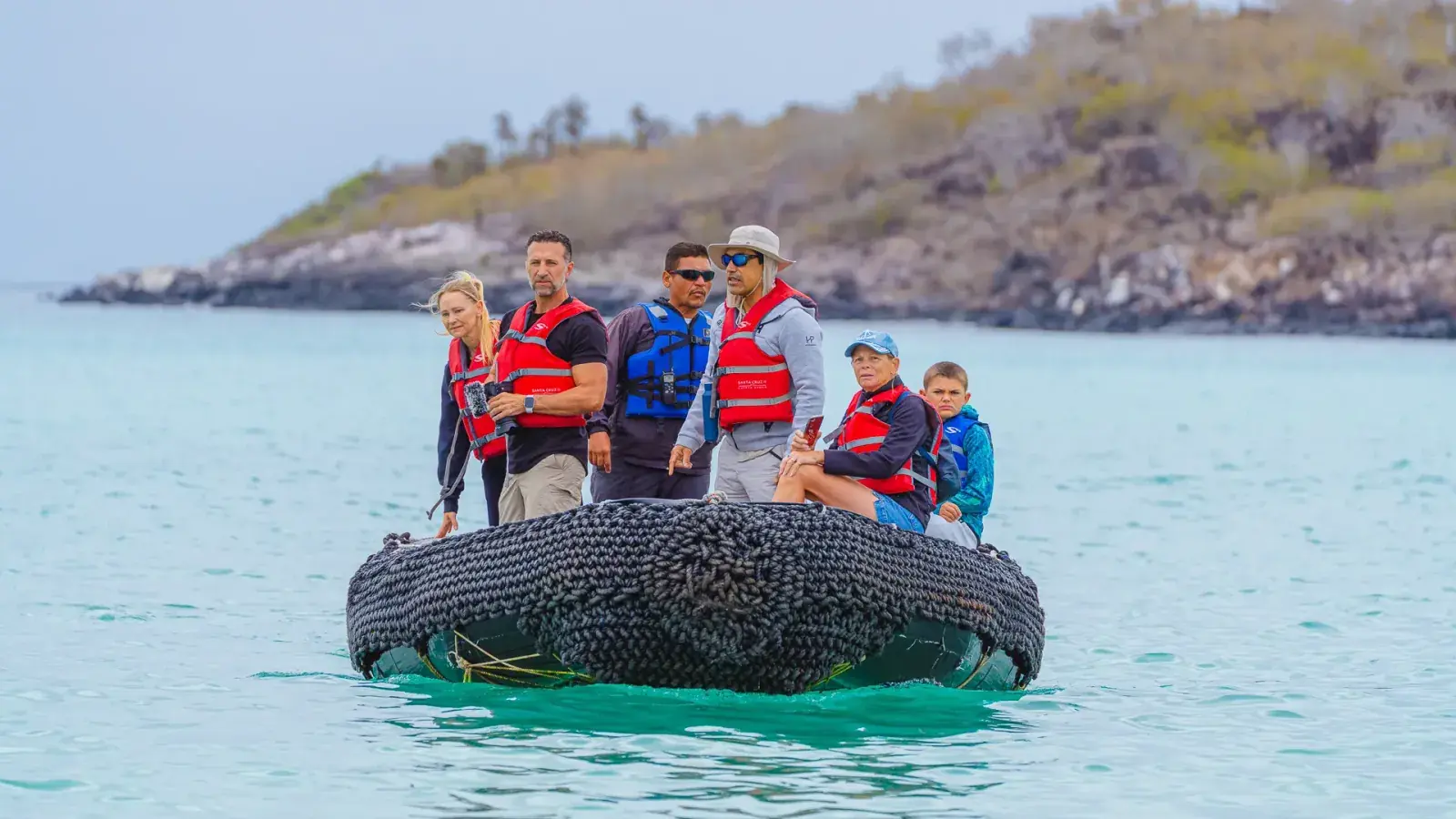
The Galápagos came first. Nine days, all-inclusive, starting in Quito, the highest capital on the planet, where we stood with one foot in each hemisphere before HX flew us to the islands, bussed us to the port and put us on our first Zodiac out to the ship. Santa Cruz II carries 90 guests, which in the Galápagos National Park is exactly the right number: small enough that the landings feel like a naturalist walk, big enough for a proper restaurant and a bar where the day gets debriefed. We chased the islands’ Big 15, and Colt spent a memorable stretch at the Science Center microscope.
Alaska was the bigger ship and the bigger scale. Vancouver to Whittier on the Roald Amundsen, through Misty Fjords, the totem country around Klawock, and the tidewater glaciers of Prince William Sound. Daily Zodiac runs for bears, eagles, seals and otters, hikes up mountain passes with glaciers on both sides, humpbacks and orcas from the deck. This is not a sail-by-and-wave Alaska cruise; it’s the other kind, on a ship that carries a fraction of the crowd of the mega-ships that share the coast.
If you want the day-by-day of either trip, both are Signature Itineraries: the Galápagos cruise with Quito and the 10-day Alaska expedition.
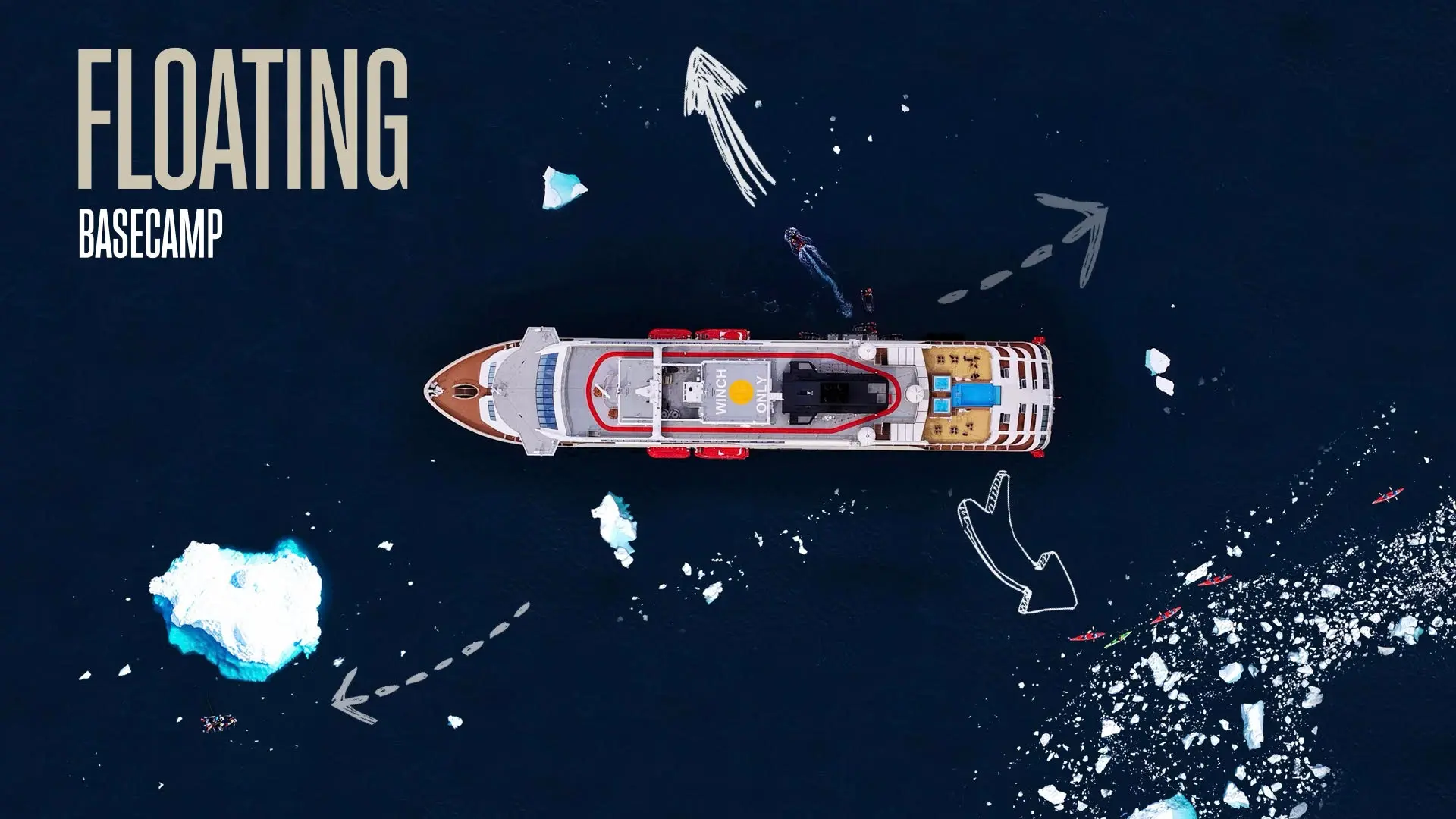
Basecamp at sea: the ship is a tool
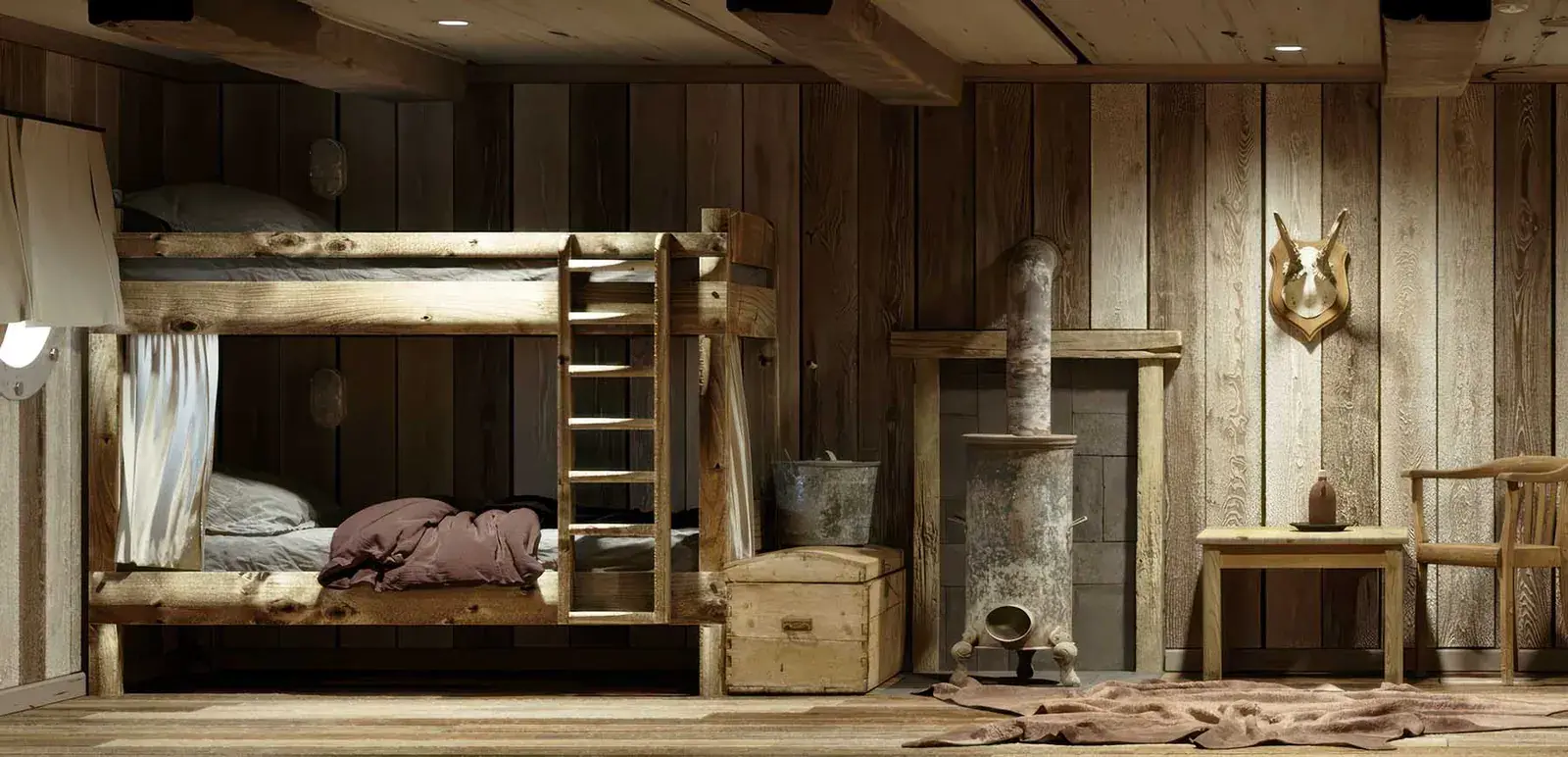
When you step aboard an HX ship, the first thing you notice is the atmosphere. HX calls it a basecamp at sea, and the description fits. The design is distinctly Scandinavian: light woods, wool blankets, floor-to-ceiling glass, and a general sense that a high-end ski lodge has learned to float.
The basecamp idea runs the daily rhythm. The ship exists to get you out into the world. The luxury isn’t gold taps and white-glove butlers; it’s efficiency and access. The mudrooms where you gear up are big and designed to move a lot of people onto the Zodiacs quickly, because every minute in the boot room is a minute not on the ice or the beach.
There is no dress code. You will see wool sweaters and hiking pants at dinner, and high heels are actively discouraged, because ships move. If you want formal nights and a captain’s table, you are on the wrong ship. If you want to compare notes on penguin behavior over a local beer in your socks, you are home.
The Science Center is the heartbeat
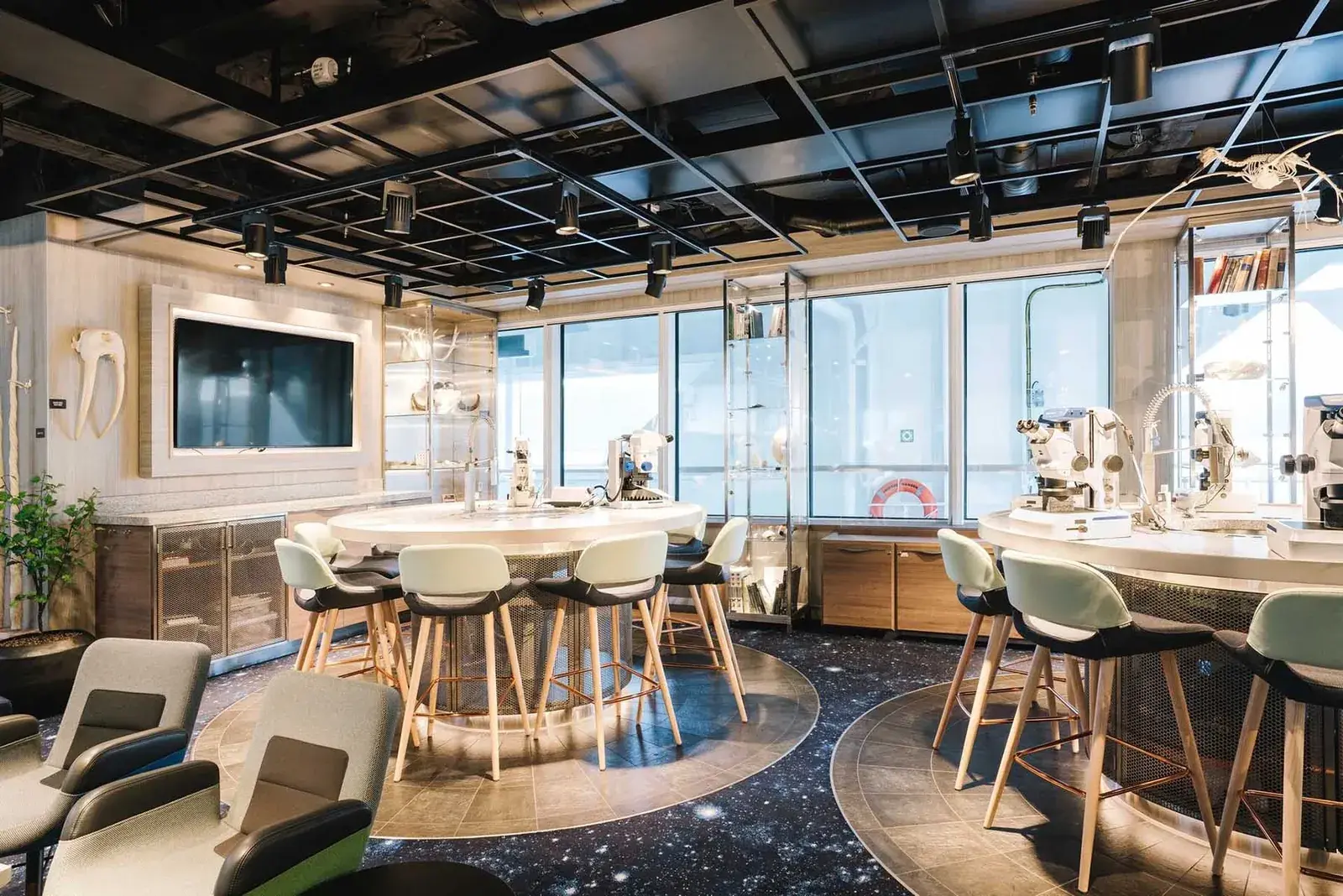
On most cruise ships the atrium or the pool bar is the center of the action. On an HX ship it’s the Science Center, and it isn’t a library tucked in a corner. It sits on a prime deck with big windows, packed with microscopes, rock and bone samples, and screens showing what the expedition team found that morning.
The expedition team are the point. They aren’t entertainers; they’re ornithologists, marine biologists, geologists and historians who lecture, yes, but mostly hang around the Science Center helping you figure out what’s in the plankton sample you pulled up that afternoon. HX runs a real Citizen Science program on top of that: guests count penguins, log whale sightings, and measure cloud cover for NASA, and the data has ended up in peer-reviewed work.

The fleet: two hybrids, a polar workhorse, and a Galápagos specialist
HX runs a small fleet, and we have a page on each ship we book:
-
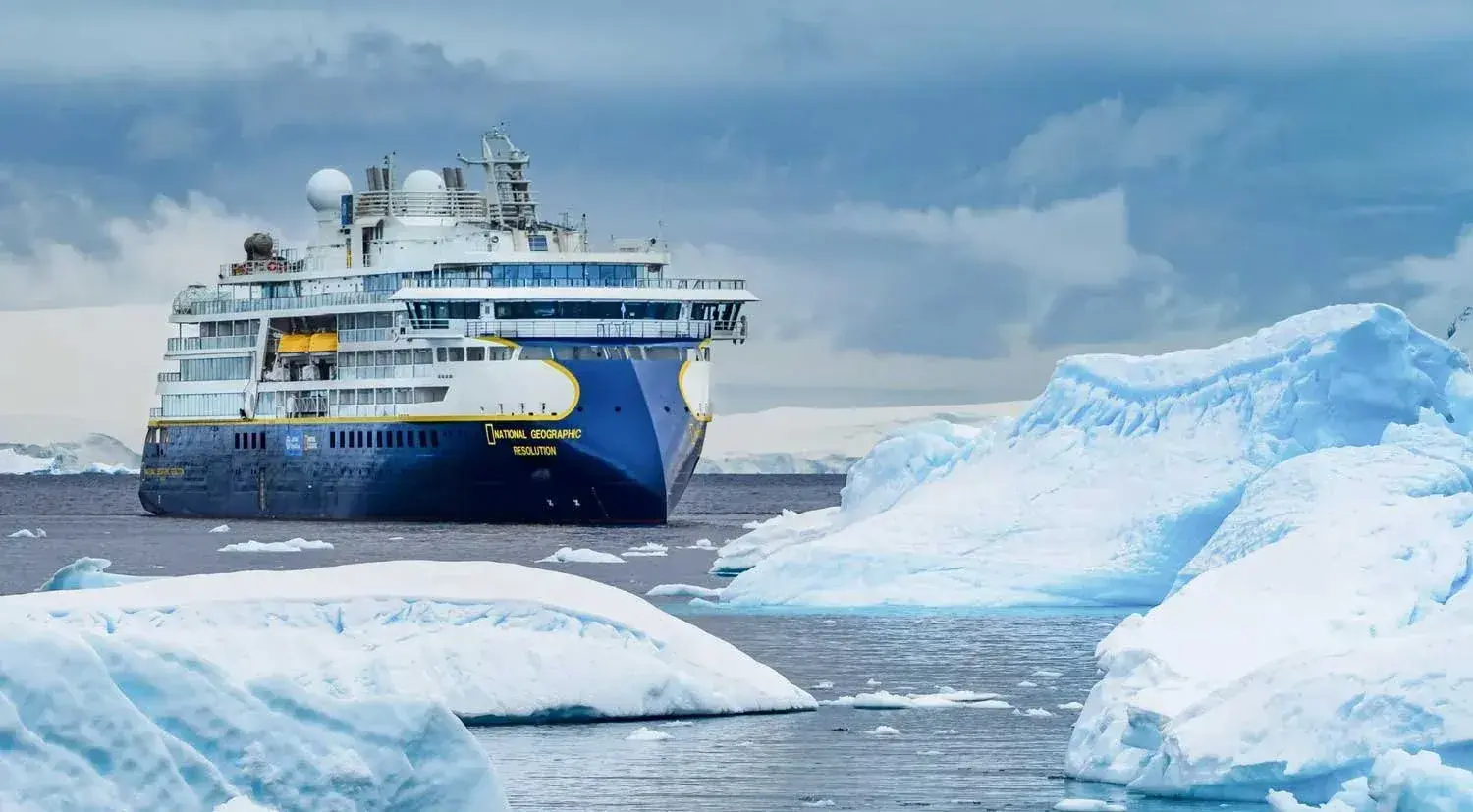
MS Roald Amundsen (490 guests, launched 2019) was the world’s first hybrid-powered expedition ship, and the one we sailed in Alaska. Polar Class 6, an infinity pool and hot tubs on the aft deck, three restaurants, and a Science Center that takes up most of a deck. She also holds the distinction of running the Northwest Passage in a single season.
-
MS Fridtjof Nansen (490 guests) is Amundsen’s sister, same hull and same hybrid system, with a slightly warmer interior and the same run of suites with balconies at the top. If you’re choosing between the two, choose by itinerary; the ships are close to identical.
-
MS Fram (250 guests, built 2007, refit 2025) is where HX’s polar story began: their first purpose-built expedition ship, named for the wooden schooner that carried both Nansen and Amundsen. Polar Class 6, less boutique hotel and more serious tool, and the one repeat polar travelers ask for by name when they want the smaller ship in Greenland or Antarctica. A €7 million refurbishment in spring 2025 sharpened her up considerably.
-
MS Santa Cruz II (90 guests) lives in the Galápagos year-round, built for the National Park’s logistics: fast Zodiac turnarounds, a naturalist for every 16 guests, and a layout that puts the observation deck and the bar within a few steps of each other. Our home for nine days.
-
MS Spitsbergen (around 180 guests) is the Arctic workhorse. Small, nimble and built for the tight fjords of Svalbard, the Norwegian coast, Iceland and East Greenland, she’s the ship HX sends where the hybrids are too big to bother. Cozy rather than glossy, with the same Science Center ethos and expedition team, and the one to ask about if you want the smallest HX ship in the High North. We don’t have a page for her yet; ask us for a specific date and we’ll send the deck plan.
The Antarctica ship-size question, answered by HX
This is the number one thing people ask us about HX, and it’s fair. Fram carries 250. Amundsen and Nansen carry 490, and the reflex in expedition circles is that smaller is always better in Antarctica. We put exactly that question to HX, and their answer is worth reading in full, because it’s the clearest statement of the basecamp philosophy we’ve heard:
“At HX, we like to think of the ship as Basecamp. The destination is always the star of the show, and our goal is to maximize your time exploring it. Every Antarctica voyage still guarantees two off-ship experiences each day (the same thing as all the other operators) whether that’s a landing, Zodiac cruise, kayaking, camping, snowshoeing, etc. The difference is that when you’re back onboard, you have a little more room to breathe, more dining variety, additional science spaces, wellness facilities, and comfortable places to relax between adventures. I always joke that the worst thing that can happen on one of our ships is that you’re ‘bored onboard’ because there are simply too many great places to spend your downtime. Remember, the IAATO governance says that you can only have 100 people ashore at one time. It says nothing about having other guests in kayaks and Zodiacs at the same time. We can get everyone off the ship twice a day because we simultaneously run different activities.”
The rule they’re referring to is real. The International Association of Antarctica Tour Operators caps landings at 100 people ashore at any one time, and ships carrying more than 500 guests can’t land at all, which is why the HX hybrids sail Antarctica at 490. What the rule doesn’t limit is what happens on the water. So while one group of 100 is on the beach with the penguins, another is Zodiac-cruising the ice, another is kayaking, and the rotation swaps. Everyone gets two outings a day; the bigger ship just runs more of them in parallel.
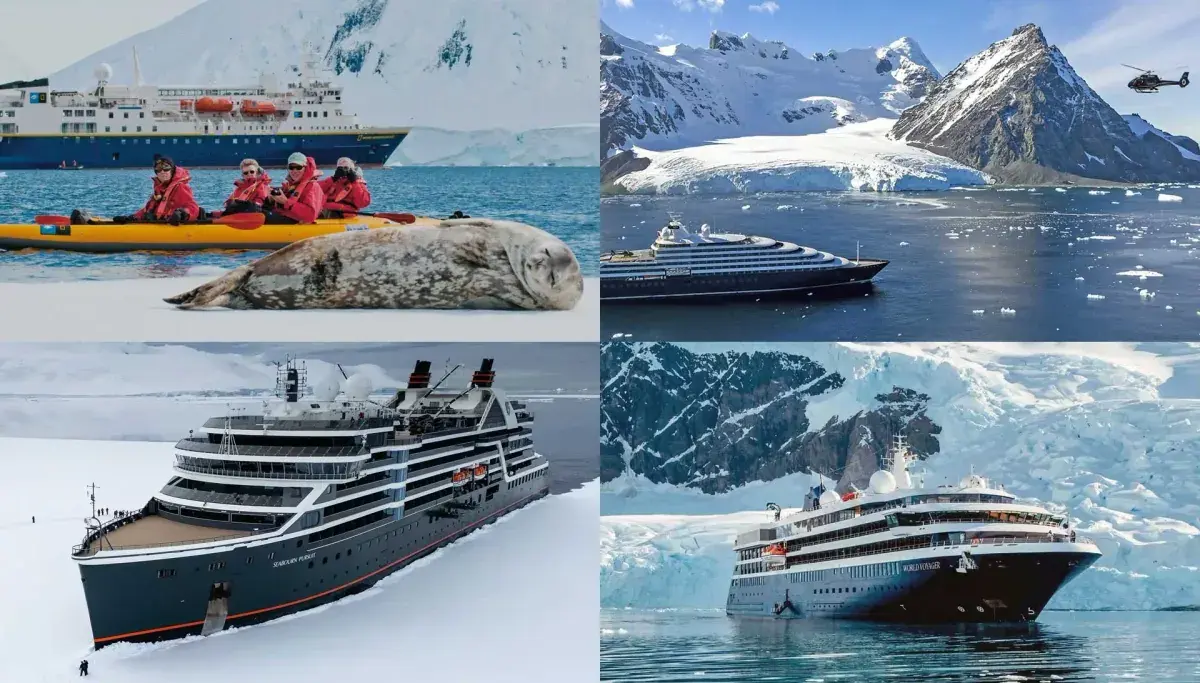
The trade is honest. On a 250-guest ship the rotation is shorter and the ship feels like one group; on a 490-guest ship the rotation is longer and the ship feels like a small resort with a Science Center in it. Which one is right depends on how you like to spend the hours between landings, and that is a longer conversation we’re saving for its own article. For a first-hand look at the smaller-ship side, our own Antarctica expedition was aboard a 264-guest ship, and the episodes tell that story.
Where HX goes, and the itineraries we’ve built
Given the Norwegian heritage, it surprises nobody that HX is the reference point for the far north, but the fleet ranges much wider than that. In the south: the Antarctic Peninsula, South Georgia and the Falklands. In the north: Svalbard, Greenland, Iceland, the Northwest Passage and the Norwegian coast under the northern lights. Then the ones other expedition lines treat as exotic one-offs and HX runs every year: Alaska, the Galápagos, the British Isles, and West Africa and the Cape Verde islands.
Five of those are Signature Itineraries we’ve built out day by day:
- Antarctica, South Georgia and the Falklands, 23 days: the full southern circuit, the one to book if you’re going to do Antarctica once and properly.
- Disko Bay, Greenland, 12 days: the Ilulissat icefjord and the west coast, the best iceberg country in the northern hemisphere.
- Grand Greenland from New York, 16 days: sail out of Manhattan and end up among the glaciers, no flights to Copenhagen required.
- Alaska, 10 days: the one we did, Vancouver to Whittier.
- Galápagos with Quito, 9 days: the one the whole family did.
Sustainability that shows up in the engine room
If environmental impact matters to you, HX is the easy answer. They banned heavy fuel oil across the fleet more than a decade before it was fashionable, they were first to ban single-use plastics on board, and the two hybrids can shut down their engines and run on battery for short stretches, which is why you can stand on the deck of the Amundsen in a fjord and hear nothing but water and ice. Fram got a full refit in 2025, and the parent company is developing a zero-emission ship for the next generation of the fleet. For HX this is an operating mandate, not a marketing line, and it comes from a company that has been watching the same Norwegian coast change since 1893.
Who HX is for, and who it isn’t
The HX guest ranks the destination above the ship. They want the wildlife, the ice, the landings and the science, and they aren’t going to pretend the thread count is the priority. They tend to be well-traveled, curious, and allergic to ceremony. A lot of them are repeat polar travelers who’ve done a flagship luxury expedition and come back to HX because they want more landing time and a more mission-driven atmosphere.
Families do well here, which we can vouch for twice over; the Science Center and the Zodiac schedule are catnip for a curious kid. Solo travelers do well too, with solo-friendly pricing on many sailings and an onboard culture that’s communal by design. On our own scale, the hybrids score five out of five for expedition and three out of five for luxury, which is the honest positioning: serious hardware, comfortable ships, and a fare that sits below the ultra-luxury polar lines.
If you want a butler, look elsewhere. If you want to go to the destination first, HX is your basecamp.
Wondering how HX compares to the other polar operators? Our interactive Antarctica ship comparison tool puts all 28 ships we book side by side, filterable by budget, expedition style and must-have features. Or tell us where you want to go and who’s coming, and we’ll say which HX ship and which date we’d choose for you: request a quote, or start here if you’d rather talk it through first.
Watch
Episodes on this


Keep reading