



Savvy Traveler · September 26, 2026
The Solo Tax Is Real. Here's How We Get Solo Travelers Out of It.
Hotels, cruise lines and tour operators still price the world for two, and the single supplement is how they bill you for the empty half. The good news: on the cruises we book most, the solo penalty is shrinking fast, and some of our partners now hand us solo pricing and no-supplement sailings every month.
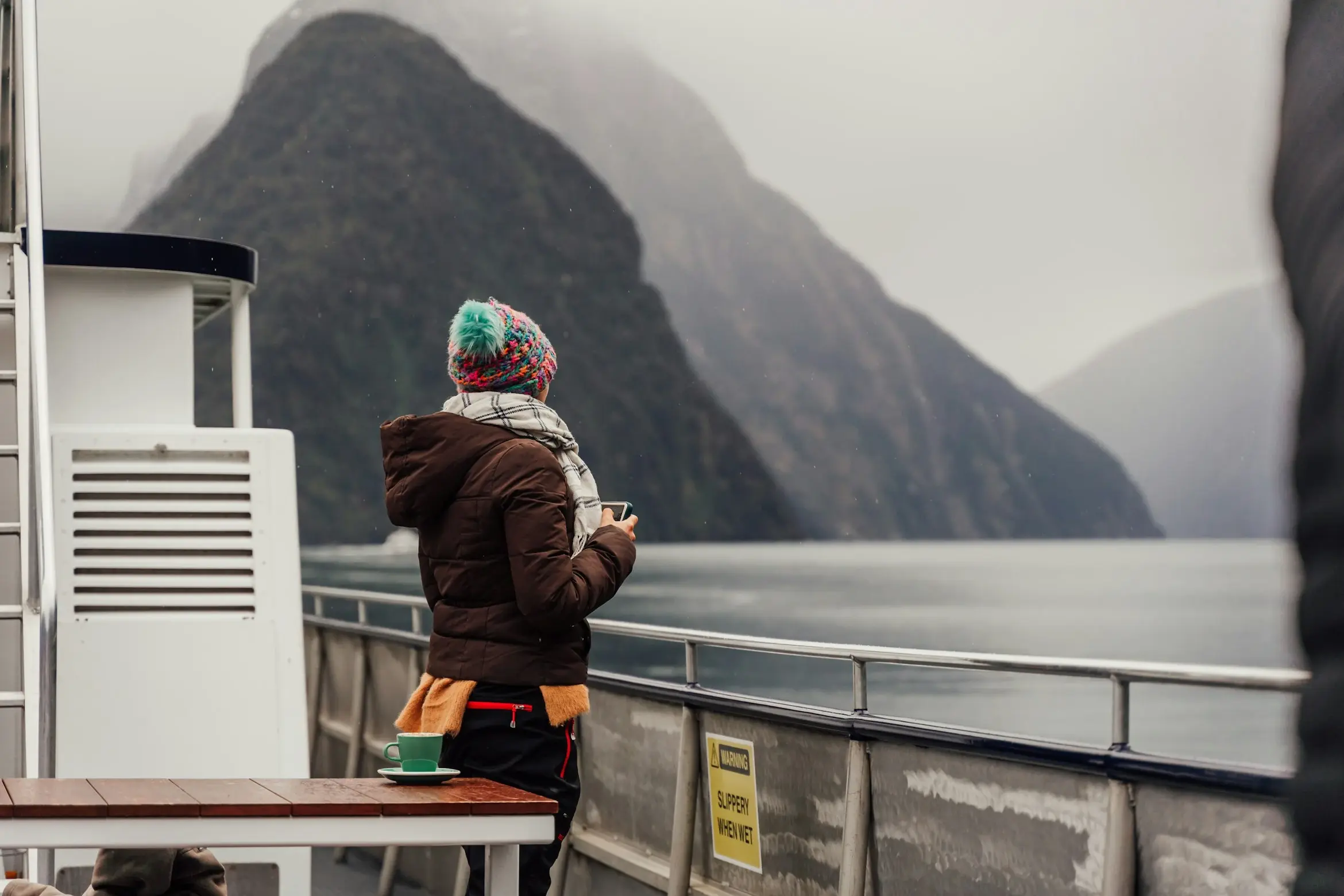
Traveling alone, paying for two
Here is the travel industry’s oldest pricing assumption: you are half of a couple. Hotels sell rooms, not beds. Cruise lines publish fares “per person, double occupancy,” which is a polite way of saying the price on the brochure only exists if somebody else is sharing your bathroom. Tour operators build the whole trip around two people in a room and then act surprised when one shows up.
When you arrive alone, the math doesn’t bend to meet you. You pay for the empty half. That’s the single supplement, sometimes dressed up as a “solo surcharge” or “single occupancy rate,” and it’s the reason a lot of perfectly adventurous people never book the trip they’ve been circling for years.
And there are a lot more of you than the pricing suggests. Here’s Erin on what she’s seeing in our bookings right now:
“Nearly a third of our polar cruise demand is coming from solo travelers — and only slightly less on the traditional ocean cruise side. Most of these individuals aren’t new to solo travel, but more seem to be shifting from trends like backpacking across Europe or spending a season in Bali to expedition cruises.”
— Erin Lockwood, ABC Trips
That’s the backpacker who used to shrug at a hostel dorm now looking at the Drake Passage. Same instincts, bigger trip, and a pricing model that wasn’t built for them.
The supplement is not a small number, either. On a cruise the supplement has traditionally run anywhere from 25% of a second fare to a full 100%, which means paying for two people and eating dinner as one. On the high-demand expedition sailings, the kind with a waitlist and a Drake crossing, it’s the 100% end that shows up most often.
Why the room costs what it costs
It helps to know why this exists, because it tells you where the cracks are.
A hotel room costs the hotel roughly the same to clean, heat and staff whether one person sleeps in it or two. So hotels mostly don’t charge a “supplement” at all. They just charge the room rate, and the solo traveler quietly absorbs what a couple would split. Old European hotels with genuine single rooms are the happy exception, and they tend to be small, and booked.
Cruise lines and tour operators have a sharper problem. Their revenue is counted per head, not per room. Onboard spending, excursions, drinks and port fees all assume two bodies per cabin. A solo in a double cabin is, from the revenue desk’s point of view, a cabin that is running at half capacity for the whole voyage. The supplement is how they claw that back.
Which is exactly why the supplement moves. When a sailing is filling fast, the line has no reason to cut it. When a sailing has cabins to fill, a solo traveler at a reduced supplement is worth a lot more than an empty cabin. The trick is knowing which sailings are which, before the brochure catches up.
What’s changed: partners who want solo travelers
This is the part of the story that has shifted the most, and it’s the part the big consumer stories tend to miss, because it happens between cruise lines and the advisors who book them.
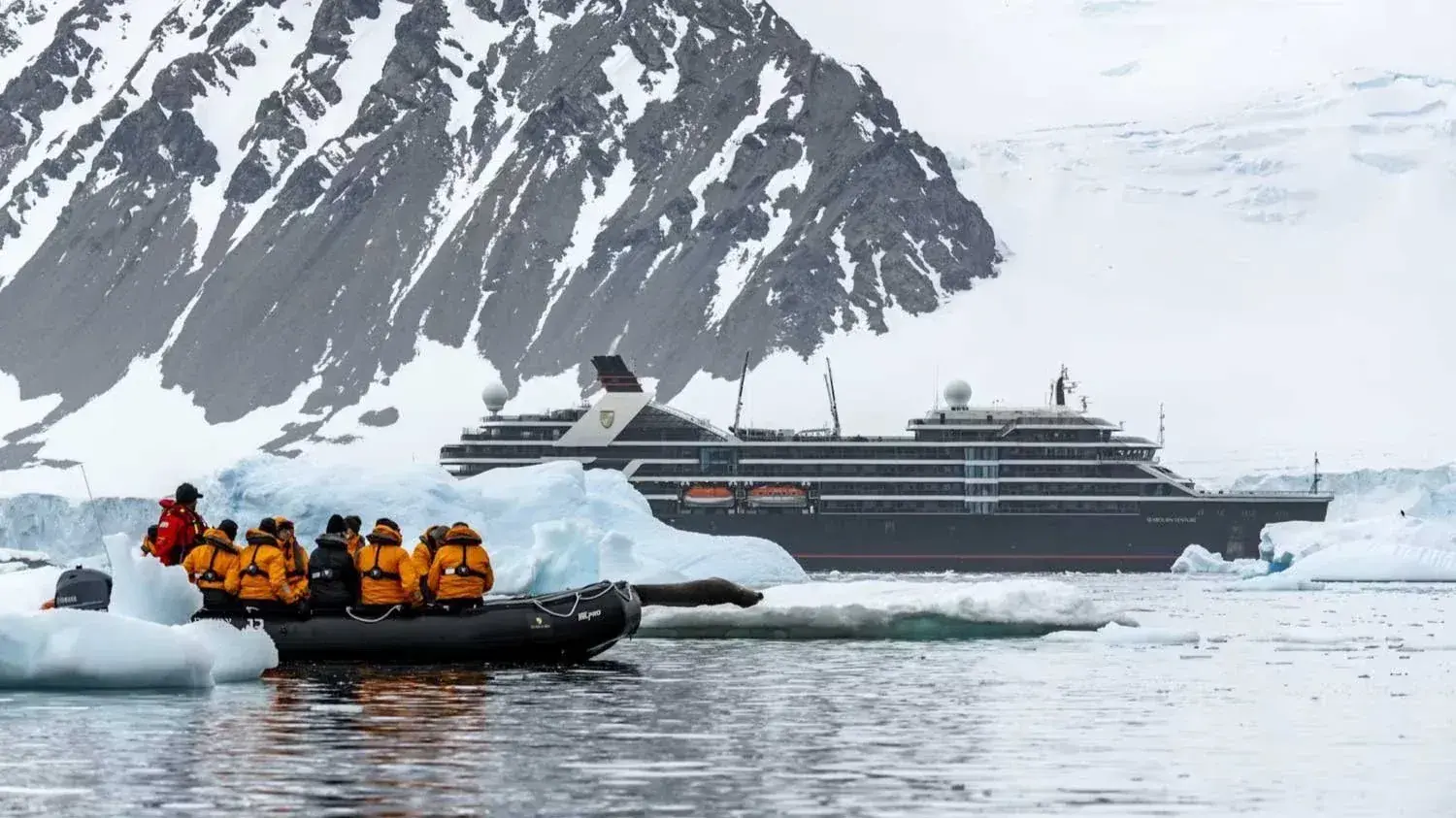
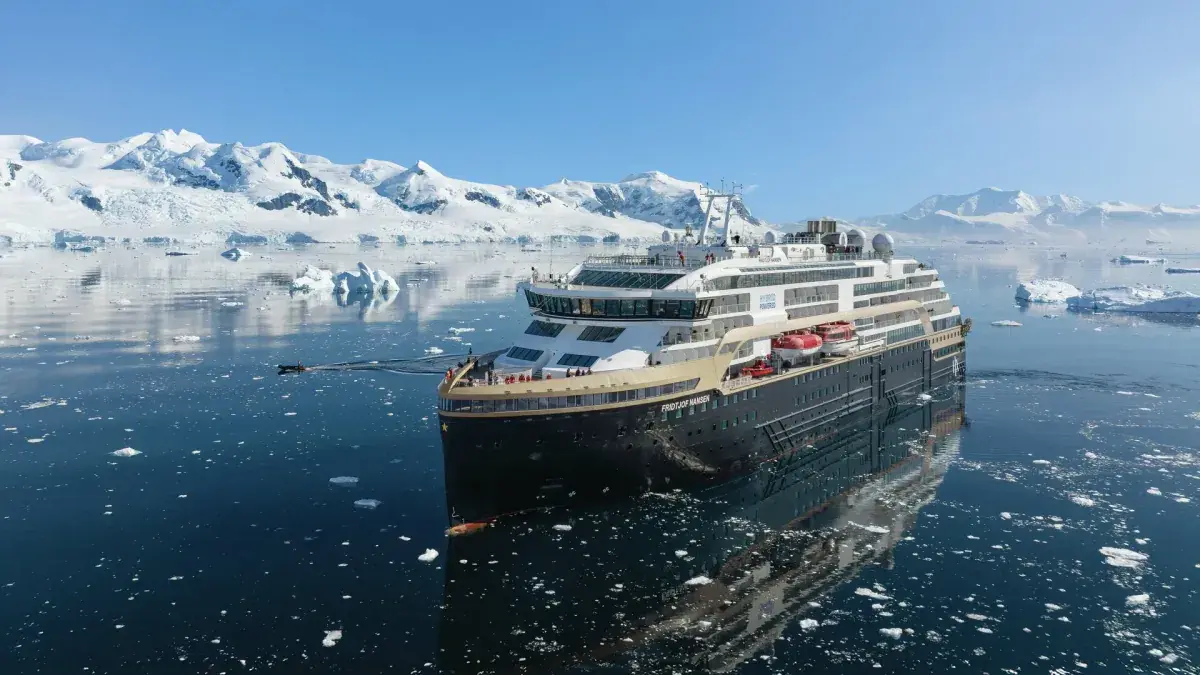
A handful of our cruise partners have stopped treating solo travelers as a pricing problem and started treating them as a market. HX Expeditions is the clearest example. HX already sits at the top of our Antarctica brand rankings for solo travelers, largely on culture: the onboard atmosphere on their ships is communal by design, and nobody sits alone at dinner unless they want to. Now they’ve put money behind it. HX gives us discounted solo pricing, and every month they send us a list of sailings with no solo supplement at all. Not reduced. None.
That list changes month to month, and it isn’t something you’ll find as a banner on anyone’s homepage. It’s precisely the kind of thing that lives in a quote rather than a blog post, so I’m not going to print it here. What I can tell you is that if you tell us your window and rough budget, we check it against the current month’s list and the current solo pricing before we recommend anything.
HX isn’t alone. Swan Hellenic will sometimes help solo travelers case by case, even on promotions where the supplement officially can’t be reduced, which we saw on their 2026 expedition fares. And plenty of lines quietly soften the supplement on shoulder-season departures without making a fuss about it. The pattern is the same everywhere: the discount goes to the sailing that needs filling, and it goes to whoever asks.
Two ways to sleep solo: the private cabin and the shared one
The supplement isn’t the only lever. The other one is the cabin itself, and here solo travelers split into two very different camps. Neither is wrong; they just want different trips.
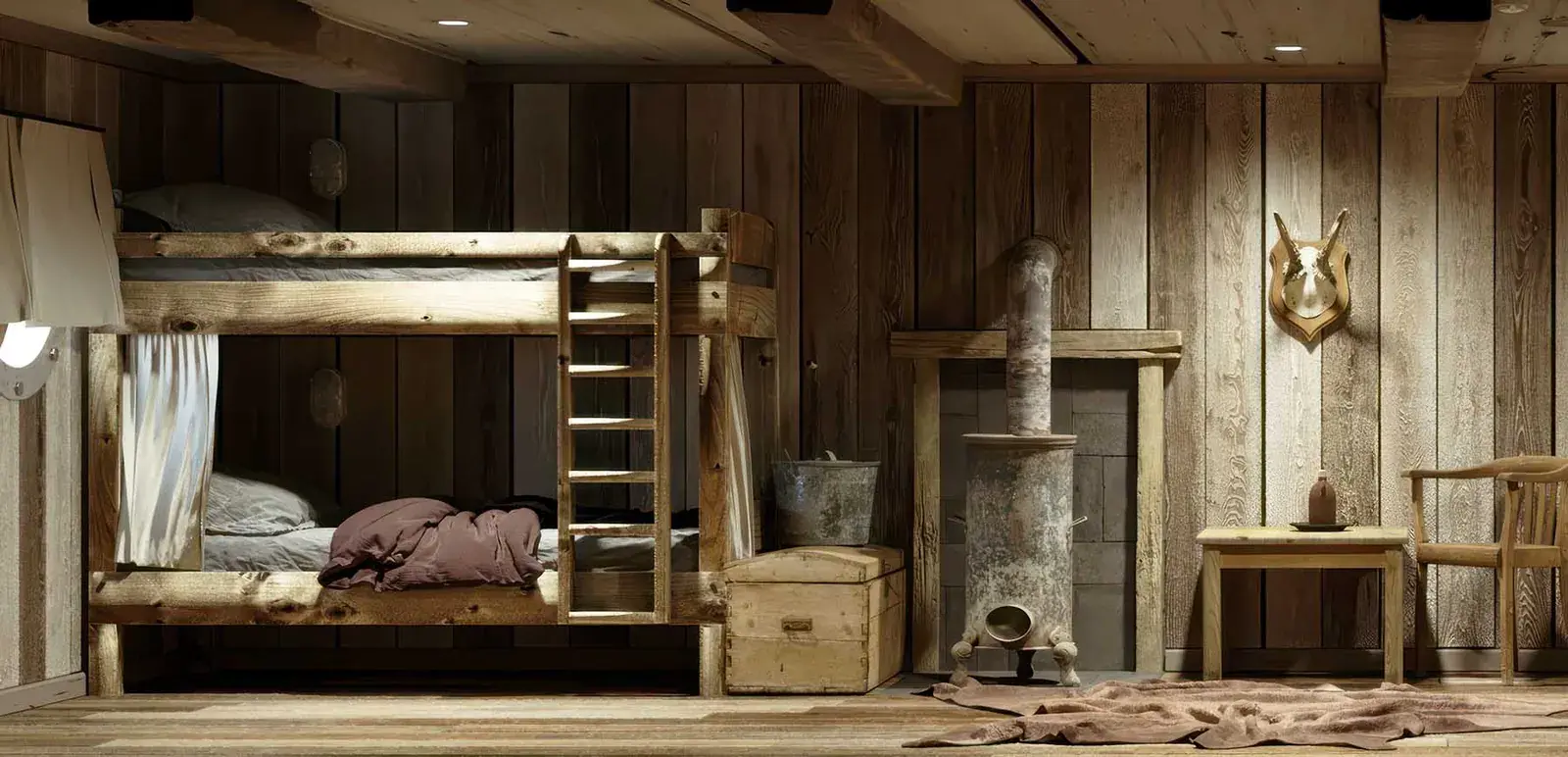
The privacy camp: solo cabins. Some ships have cabins built for one person, priced for one person. You get your own door, your own porthole and your own schedule, and you don’t pay for a phantom roommate. HX has cabins that only hold one person. Terra Nova, the newest line on the ice, has single cabins with just one twin bed on both the Terra Nova Adventurer and the RMS St. Helena. National Geographic-Lindblad has dedicated single-occupancy categories on National Geographic Orion. The catch with solo cabins is the obvious one: there are only a handful per ship, and they are among the first cabins to sell out on a good departure. If you’re a privacy-first traveler, book early and book decisively.
The social camp: shared cabins. Some of our partner brands will sell you a single berth in a shared cabin and pair you with other solo travelers of the same gender, rather than charging you for an empty bed. Terra Nova does this in its triple and quad cabins. Aurora Expeditions and Oceanwide Expeditions run cabin shares the same way. Yes, you are rooming with strangers. They are strangers who also chose to go to Antarctica, which narrows the field considerably. It’s the most frugal way onto an expedition ship, full stop, and it suits a particular kind of traveler: the one who plans to be in a Zodiac, on deck or in the bar for most of the waking hours anyway, and who thinks a built-in friend on day one is a feature. If your idea of Antarctica is the ice and the people, not the thread count, a shared cabin can free up the budget for a longer itinerary or a better ship.
Tell us which camp you’re in when you ask for a quote. It changes what we look for.
The solo filter in our app
If Antarctica is the trip, this is the easiest shortcut we have. Our free Antarctica Cruise Drop app releases short-lived discounts on specific Antarctica sailings, and it lets you filter for solo-friendly deals only. These are drops where the solo math actually works, whether that’s a reduced or waived supplement or a cabin that suits one person.
There are always plenty. As I write this, most of the live drops in the app are flagged solo-friendly, and the bulk of those are on HX ships, which will surprise nobody who read the section above. Turn on notifications, set the filter, and let the deals come to you instead of refreshing a cruise line’s website at midnight.
Prefer to browse by ship first? Our Antarctica ship comparison tool has a solo traveler deals filter too.
Hotels and tours: the rest of the trip
The cruise is usually the big line item, but the supplement follows you onto land.
Hotels. Pre- and post-cruise nights are where solos quietly overpay, because the hotel charges the room rate regardless. The fix is modest but real: a smaller room in a better location beats a big room you’re paying double for, and in older European cities a genuine single room is worth asking about. Keep the pre-cruise stay to the one night the embarkation actually requires, and spend the difference at sea.
Tours. Small-group tours are the other place the supplement lives, and most operators handle it the same way cruise lines do: a solo room at a premium, or a roommate match at no premium. If you want company without the stranger in the next bed, consider a hosted trip instead. Our Travel With Us departures are built around a group from day one, which makes them one of the easiest ways to travel alone without ever really being alone.
Timing. Shoulder season is the solo traveler’s friend on land and sea. Fewer couples booking means more rooms and cabins to fill, which means more willingness to deal on the supplement.
How to stop paying the solo tax
Don’t take the brochure fare as the final word. The published solo price is the starting point, and on the right sailing it’s the least interesting number on the page.
Tell us where you want to go, your rough dates, and which camp you’re in, private cabin or shared, and we’ll check it against our partners’ current solo pricing, this month’s no-supplement list and the live drops in the app. Then we’ll tell you straight which option is actually the deal. Request a quote, or if you’d rather talk it through first, start here.
Watch
Episodes on this



Keep reading