

Savvy Traveler · September 24, 2026
The Multigenerational Trip, Planned So Nobody Cries: A Guide for Grandparents, Parents and the Kids
Grandparents would rather fund one great trip than leave the money behind, parents want the tradition, and the kids just want the marshmallows. Here's how we plan a trip for three generations, why cruises keep winning this category, and the itineraries we'd put in front of your family.

Why grandparents are paying for this now
Something has shifted in how the older generation thinks about money and time. Booking.com’s 2025 research found that about half of baby boomers, and four in ten travelers over 80, would rather spend on a family trip of a lifetime than leave that money as an inheritance. Around 80 percent of boomers say they’re happy to pay for their children and grandchildren so everyone can travel together. On the other side of the table, a 2024 Beaches Resorts study of North American families found roughly three quarters of parents excited by the idea of a multigenerational trip and about 60 percent wanting to start a family tradition around vacations with the grandparents.
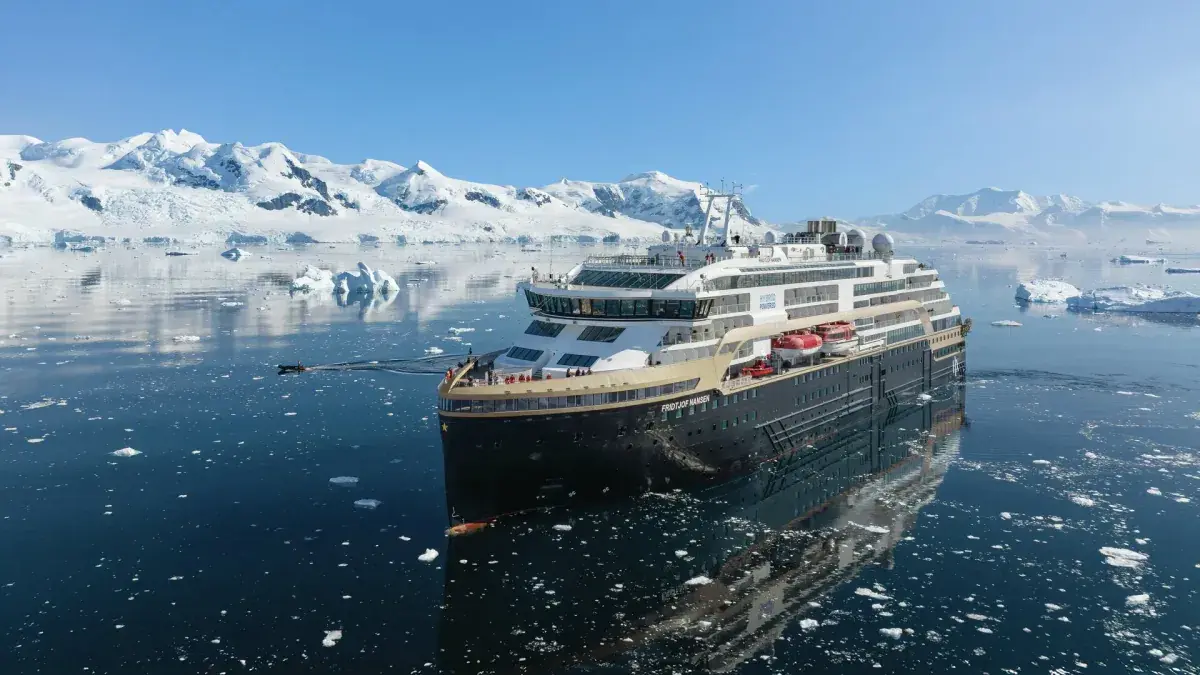
So the demand is there from both ends. What’s usually missing is a plan that survives contact with a toddler, a teenager, a bad hip and a group chat. We’ve done a version of this ourselves more than once: Erin’s mom Mary has joined us on expedition trips, most recently ten days through Alaska aboard an HX ship with Colt in tow, and our first hosted Antarctica expedition put twenty travelers of very different ages and energy levels on one ship for eleven days. Here’s what we’ve learned, plus what the people who plan these for a living agree on.

The call that saves the trip
Every multigenerational trip that works starts the same way: one video call with everyone who’s coming, before anyone books anything. Not a group text. A call, with the grandparents, the adult kids and, if they’re old enough to have opinions, the grandkids. The point isn’t to decide the destination on the spot. It’s to get four things on the table so nobody discovers a dealbreaker after the deposit.
- Dates and length. Who can take what time off, which school breaks matter, and whether “a week” means seven nights or five nights and two travel days.
- Budget, and who pays for what. Say it out loud. If the grandparents are covering the whole thing, say so. If they’re covering lodging and meals but the kids handle their own flights, say that. If costs are shared, agree how they’ll be tracked before the first receipt exists.
- Lodging needs. Ground-floor or elevator, a bathtub for the baby, a kitchen for the picky eater, connecting rooms, air conditioning in a hot place, beds of the right height for a bad knee. These are the things that quietly ruin a trip when nobody asked.
- Pace. Active-adventure trip, sit-by-the-pool trip, or one that flexes between the two. This one gets its own section.
End the call by assigning a person and a date to each decision. Destination by this Friday, lodging by the next. A trip with an owner gets booked; a trip with a committee gets discussed until the good dates are gone.
Plan to the least-able traveler, then give everyone an out
The single most useful sentence in family travel planning is this: the schedule should reflect what the least fit or least able person in the group can comfortably do in a day. If grandpa is good for two miles, the hiking day is two miles. If the toddler melts down at 1pm, lunch is at noon and the afternoon is unstructured. Planning to the strongest traveler produces a trip where half the family is waiting in a lobby.
Two rules of thumb make this workable. One planned activity per day, with anything else optional. And a daily block of choose-your-own-adventure time, where the teenagers go kayaking, the grandparents take the nap they’ll deny taking, and the parents do neither, then everyone regroups for dinner. On a cruise, that block already exists; the ship builds it into every day. On a land trip, you have to protect it on purpose.
Book private guides and vehicles where you can. A private safari vehicle or a private shore excursion means the day runs at your family’s speed, stops when the four-year-old needs to, and doesn’t leave anyone standing at the back of a group of thirty. It costs more per day and saves the whole trip.
And when you’re comparing options, look past the hotel or the ship to the places themselves. A perfectly accessible ship can dock at a European port that’s all cobblestones and steps. Ask us which ports and excursions are stroller- and walker-friendly; we’ve walked most of them.
Who pays for what, said out loud
If one generation is funding the trip, the clearest version is the best one: “we’re covering the hotel, the meals and the activities; you’re covering your own flights and anything from the minibar.” Nobody is offended by clarity. People are offended by surprises at checkout.
If the cost is shared, pick the tracking method before the trip. A shared spreadsheet or a cost-splitting app, and a peer-to-peer payment app for settling up, is all it takes. The alternative is a folder of receipts and a tense conversation in March.
Some trip types make this trivially easy. On a cruise, each family unit books its own cabin, so the grandparents can take a suite while the kids take a veranda and everyone pays their own line. Groups of about eight cabins or more can go through the cruise line’s group desk for a coordinated block, some perks and often a better rate, which is what we do on our hosted journeys: every family books and pays for its own cabin, and we handle the coordination. The same “each household books its own” model is why organized educational tours work so well for three generations.
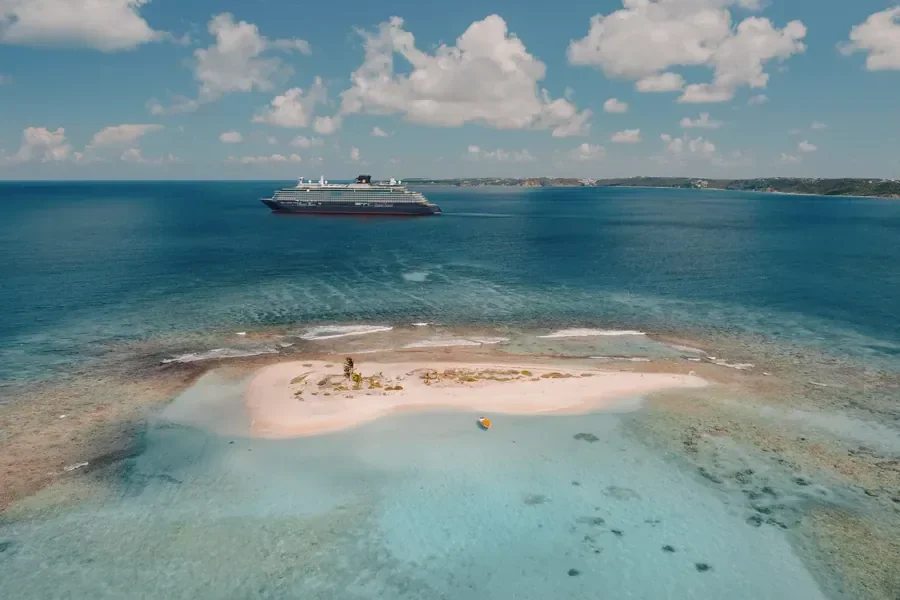
Why cruises keep winning this category
We wrote a whole piece on why cruises are the ultimate multigenerational vacation, so here’s the short version and the parts that piece didn’t say.
- One price, mostly. The fare covers the room, the meals and the moving-around. Grandparents who want to fund the trip can write one check and know what it bought. On the luxury and expedition lines we book, it also covers the drinks, the gratuities and usually the excursions.
- One unpacking. Five countries, or five islands, or five fjords, and nobody repacks a suitcase or wrangles a car seat into a rental.
- A contained world for kids. This is the one parents underrate until they’ve done it. A ship is a place where a nine-year-old can walk to the pool, the ice cream and back to the cabin without crossing a road, and where the boundary of “where you’re allowed to go” is a hull. Crime aboard a ship is close to nonexistent. The freedom that comes with that is good for kids and better for their parents.
- Scenery that changes while grandma naps. The trip keeps moving even when your family doesn’t. The grandparents can spend an afternoon on the balcony and still wake up somewhere new.
- A cabin for every budget in the family. Suite for the grandparents, veranda for the parents, an inside cabin for the college kid who’ll never be in it.
One honest caveat: the big mainstream ships have kids’ clubs and the luxury lines mostly don’t. What the luxury and expedition lines have instead is a staff-to-guest ratio that means the crew knows your kids’ names by day two, suites big enough that a family can actually sit together, and on some lines a summer youth program for school-age kids on the sailings families actually take. If a kids’ club is a must, say so and we’ll point you at the right ship. If what you want is a ship where your ten-year-old learns to identify a humpback by its fluke from a naturalist who remembers her, that’s the expedition lines, and that’s most of what we book.
Here’s Mary on the Alaska trip, if you want to see what a grandmother, a thirteen-year-old and a purpose-built expedition ship look like together.
The learning part is the part they’ll remember
Colt has done six years of school from Zodiacs, jungle trails and airport concourses, which we wrote about when Business Insider ran the story. The thing we’d tell any family planning a three-generation trip is that the moments that stick aren’t the pool. They’re the naturalist explaining the penguin colony to the grandmother and the eight-year-old at the same time and both of them getting it. Expedition cruises, safaris with a good guide, and the Galápagos with its one-naturalist-per-sixteen rule are built for exactly that, and they’re the trips where three generations end up with the same story.
Beyond the ship
Cruises aren’t the only answer. All-inclusive resorts solve the same “one price, no decisions about dinner” problem on land, and the good ones have villas or multi-bedroom layouts so a family can be together without being on top of each other. A safari with a private vehicle and a lodge that takes kids is the best three-generation trip we know that doesn’t float. And a European river cruise is the gentlest version of “wake up somewhere new” for a family with a grandparent who’d rather not do open ocean.
Itineraries built for three generations
The trips below are the ones in our catalog tagged family-friendly and experiential learning, the two things a multigenerational itinerary needs to be. The list is generated from those tags, so it updates itself as we add new trips and retire old ones; whatever you see here is bookable today.
How we help
Tell us who’s coming, ages and all, how many nights you have, the one thing each generation cares about most, and who’s paying. We’ll come back with two or three ways to do it, the cabin or room mix that fits the budget, and the honest read on what will and won’t work for the youngest and the oldest person in the group. If you’d like us to host it, our Travel with Phil and Erin journeys are exactly this, with us on board.
Request a quote for the family trip, or start here if you’d rather talk through the planning call first.
Watch
Episodes on this


Keep reading