


Savvy Traveler · April 1, 2026
Expedition Cruise Prices Are Going Up — and Here's Why That's Actually Good News
Expedition cruise prices have risen more than any other category — and most travelers haven't connected the dots yet. Here's what's actually happening, why it's not going to reverse, and what to do about it before the 2026-27 season locks up.
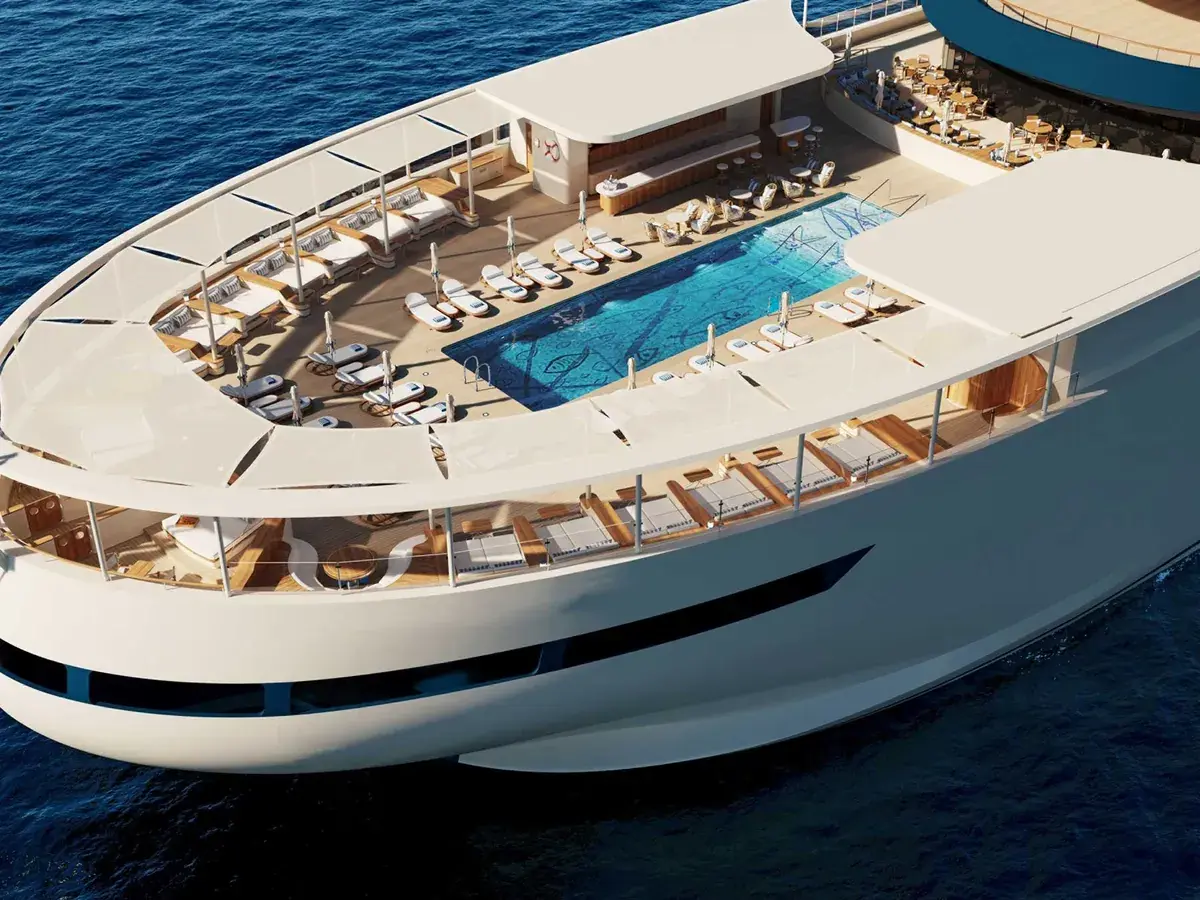
The Price Floor Just Moved — and Most People Haven’t Noticed
There’s an old proverb that says, “When the tide rises, it lifts all boats — but not at the same time.” That’s basically the current sitch in expedition cruising. Prices across the category are up. But if you’re the type of traveler who’s been keeping tabs on this space, that’s not a wail-into-the-void scenario. It’s actually a signal worth understanding — because what’s driving it is genuinely interesting, and what to do about it is pretty straightforward.
Here’s the headline: according to recent research from Internova Travel Group — one of the world’s largest travel companies, analyzing millions of actual bookings — expedition cruise prices have risen more than any other cruise category. Not a little more. The most. While mainstream ocean cruises ticked up modestly, the expedition segment jumped. And the reason isn’t some cosmic price-gouging plot. It’s supply-and-demand math doing exactly what supply-and-demand math does when demand goes bananas and supply is structurally capped.
We track this market obsessively, so none of this surprised us. But it did sharpen a conversation we keep having with travelers who are in “one day I’ll do Antarctica” mode. Because “one day” just got meaningfully more expensive than it was two years ago — and the trajectory is not reversing. As the saying goes: the best time to plant a tree was twenty years ago; the second best time is right now. Same energy applies to booking your polar expedition.
Why Expedition Cruises Cost What They Cost
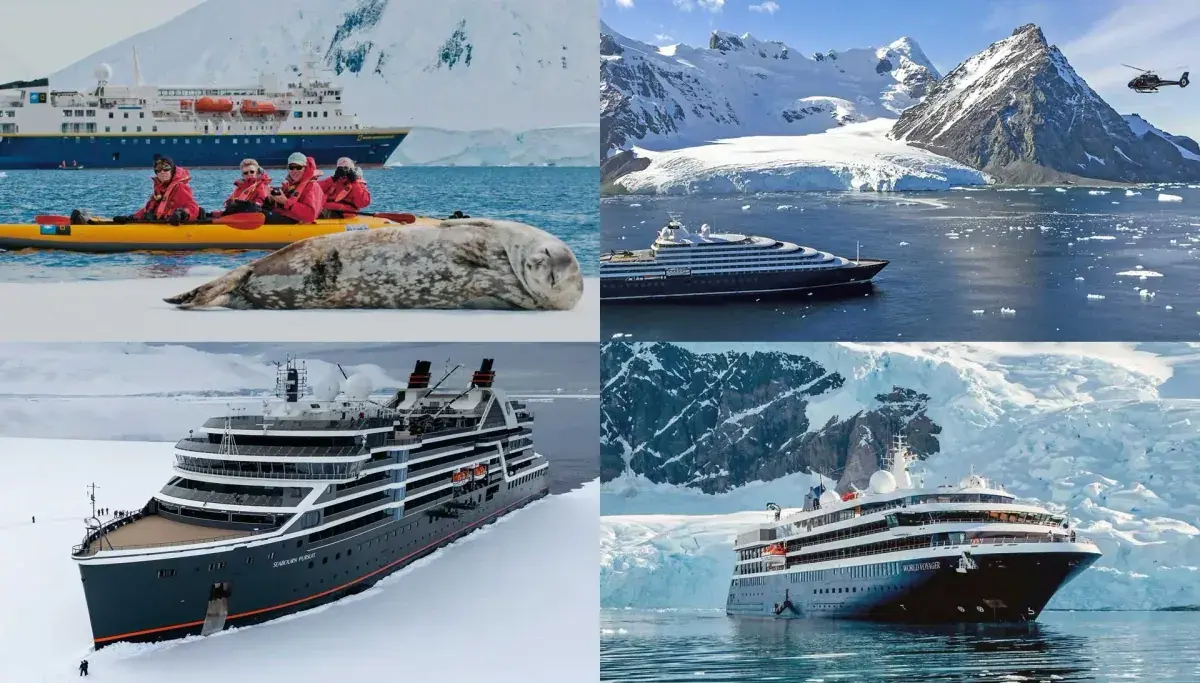
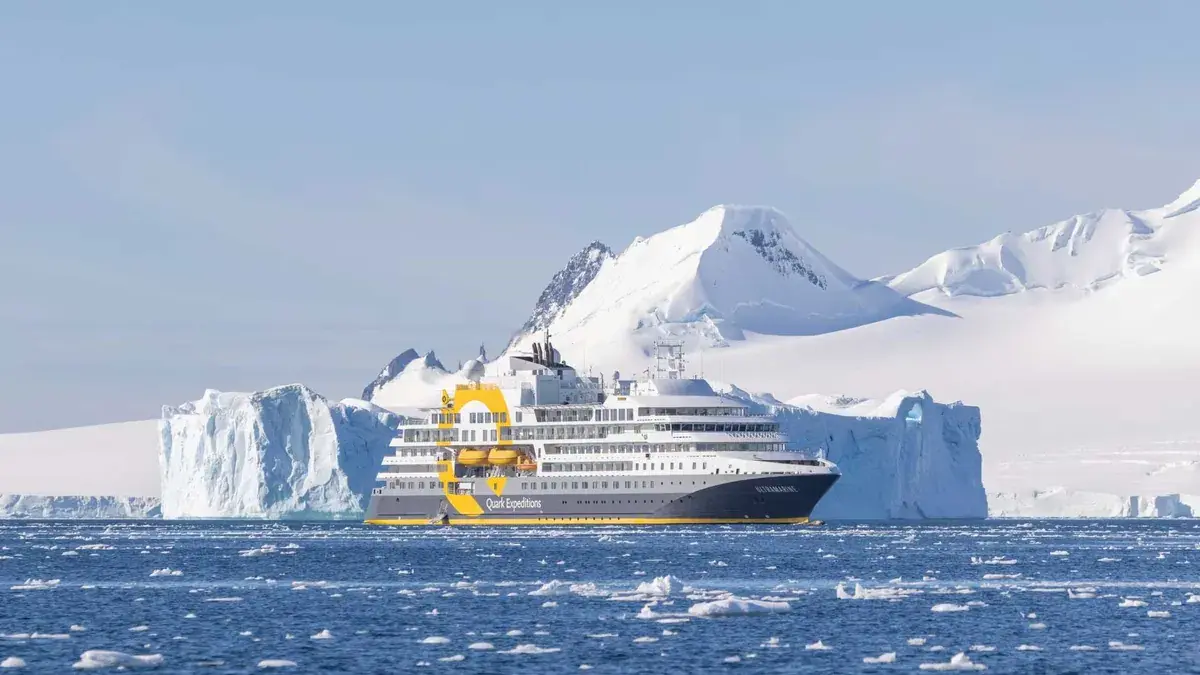
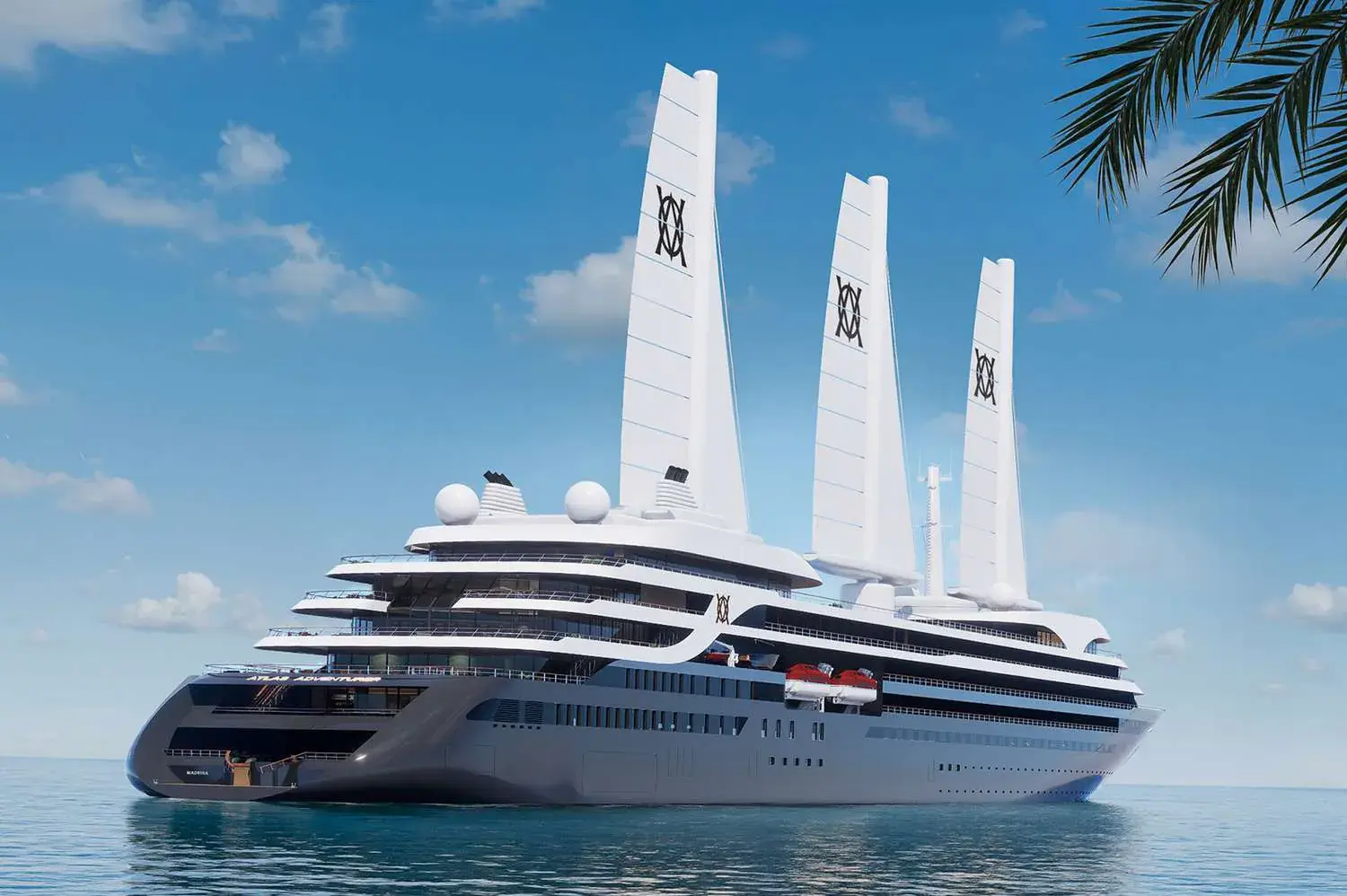
Let’s be honest about something: expedition cruise pricing has always looked alarming until you understand what you’re actually buying. This isn’t a floating resort with a casino and a buffet sitch. A true expedition cruise is a small-ship operation — typically 100 to 500 guests, often closer to 100-200 — with a purpose-built hull engineered for polar-class navigation, a full-time Expedition Team of naturalists and scientists, a fleet of Zodiacs, and itineraries that put you ashore in places that have no roads, no hotels, and sometimes no other humans for hundreds of miles in every direction.
The ships themselves are profesh-level expensive to build, operate, and staff. The MS Fridtjof Nansen and MS Roald Amundsen from HX Expeditions are hybrid-electric vessels with onboard Science Centers and Citizen Science programs. The Scenic Eclipse carries two helicopters and a personal submarine — on deck, not metaphorically. The Seabourn Venture is built to PC6 Polar Class standards with 24 Zodiacs and dual submarine capability. These aren’t expenses tacked on for the brochure. They’re the product.
When you price these voyages against what you’re actually getting — remote access, expert-led immersion, all-inclusive pricing, and experiences that genuinely cannot be replicated on land — the math holds up better than it looks at first glance. The sticker shock is real. The value-for-dollar calculation, when you run it properly, is a lot less alarming. If you want a thorough side-by-side breakdown, our expedition cruise line comparison walks through HX, Scenic, Seabourn, Atlas, and Lindblad — who they’re built for, what they cost, and what sets them apart.
What’s Actually Driving Prices Up in 2026
Short answer: demand went mainstream before supply could catch up, and the gap isn’t closing quickly.
The traveler profile for expedition cruising has shifted hard. It used to be a niche pursuit — bucket-listers, retired professionals, serious wildlife nerds. Now the data shows that one-third of travelers surveyed express active interest in luxury yacht and expedition-style voyages. One-third. That’s not niche. That’s a substantial market segment that’s been awakened to the fact that Antarctica and the Arctic and the Galápagos exist, are accessible to non-mountaineers, and are life-changingly different from anything else on earth.
The problem is that the ships — unlike a hotel chain that can just add another tower — take years to design, approve, and build. A new purpose-built expedition vessel is a multi-year, multi-hundred-million-dollar project. So while demand has spiked, capacity has grown incrementally. When you have more buyers than inventory, prices go up. Economics 101, playing out in the Drake Passage.
There’s also a booking-behavior shift happening at the operator level. Ships are filling earlier. The window between itinerary release and sold-out status has compressed dramatically. Cabin categories that used to be available close to departure are getting claimed 12 to 18 months out. The Antarctic seasons — which run roughly November through March — are particularly affected, because there are only so many operators, only so many ships, and only so many landing permits issued by the IAATO framework that governs polar tourism. The pie isn’t getting bigger. The number of people who want a slice very much is.
So Why Is This Good News?
Here’s the flip: rising prices are a signal, and the signal is this — the experience is being validated at scale. When a third of serious travelers are expressing interest in expedition cruising, that’s not a fad. It’s a market correction toward what adventurous, experience-driven travel actually looks like at the high end. And for travelers who are already paying attention — who’ve done the research, who already know they want this — getting in front of the continued price curve is a real, concrete financial advantage.
Think of it this way: the people booking Antarctica and Greenland and the Galápagos right now are doing so at prices that will almost certainly look reasonable compared to 2027 and 2028 rates. As the old farmers used to say: plant in the spring, eat in the fall. Right now is the spring.
There’s also a quality argument that doesn’t get made often enough: the best expedition ships aren’t just scarce because of volume — they’re scarce because the operators who build them are selective about it. The Scenic Eclipse fleet has two ships. Seabourn has two dedicated expedition vessels. HX runs a small core fleet of purpose-built polar ships. When a ship is full, it’s full. And the cabin categories that represent the best experience — the verandah suites, the prime positioning, the top-tier expedition access — go first. Getting in early isn’t just about price. It’s about getting the actual experience you’re paying for.
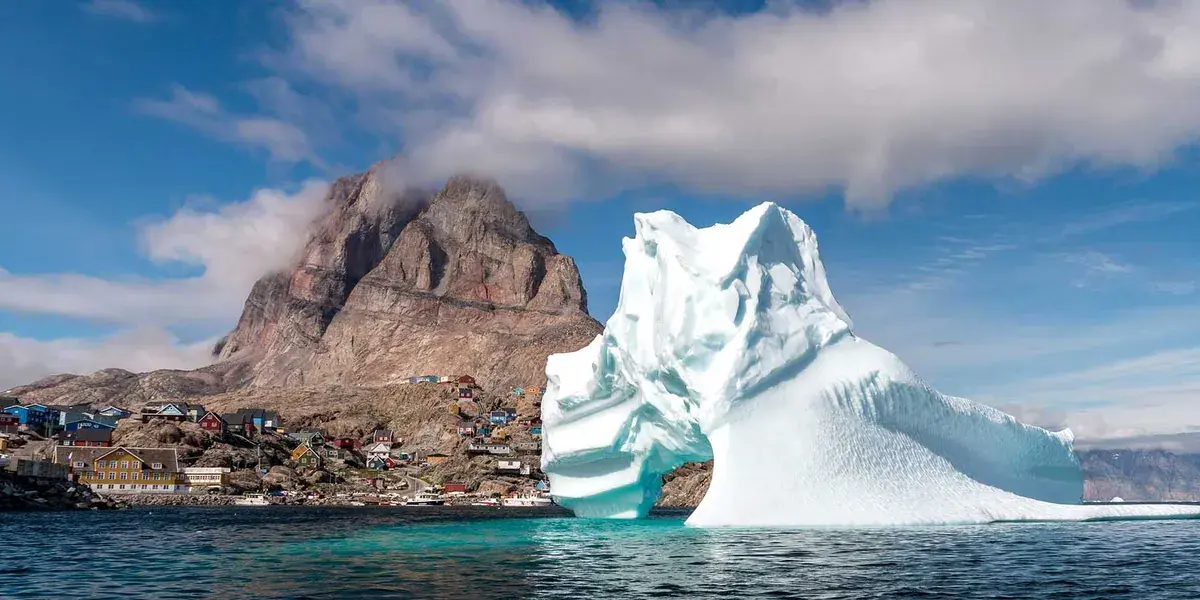
For travelers who’ve been on the fence about Greenland specifically — and we’ve gone deep on this in our Greenland expedition cruise guide — the 2026-27 window is genuinely worth moving on. The HX Grand Greenland Expedition aboard the MS Fridtjof Nansen starts at $11,936 per person all-inclusive and does something most itineraries don’t: it goes all the way north, past the Ilulissat Icefjord and deep into the Thule region. That’s rare-access territory, and it will not stay at this price point indefinitely. And if Antarctica is still the obsession — fair — the Scenic Eclipse Antarctica review we published recently gives you the full unfiltered picture on what $20K-ish per person actually buys in the world’s most remote destination.
What to Do About It Right Now
The playbook here is not complicated, which is refreshing given how convoluted high-ticket booking decisions usually feel.
Get your destination squared away first. Antarctica? Arctic/Greenland? Galápagos? Kimberley? Each has its own season window, and knowing your destination focuses everything else. Our expedition cruise guide is the most complete resource we’ve built for exactly this decision — covering destinations, ships, brands, and what to expect at every price tier.
Get a quote before you think you’re ready. This sounds counterintuitive, but it isn’t. Expedition pricing is dynamic, and the only way to understand what you’re actually dealing with is to see real numbers. We can pull pricing across multiple operators for the same destination window and show you what the spread looks like. There’s no commitment in a quote — and there’s real info-gain in having actual numbers instead of website approximations.
Know that booking through us costs the same as booking direct. This one still surprises people, but it’s true. Operators pay us as a preferred partner — you pay what you’d pay booking directly, often less when we have access to promotional or net pricing. The difference is you get someone who tracks this market, knows the operators personally, and can advocate for you if anything goes sideways. It’s a free upgrade on the planning side. Don’t skip it on principle.
And wherever you are in the process, make sure travel insurance is on the list early. For polar expedition travel specifically, it’s not optional. It’s foundational. The Drake does not care about your non-refundable flight to Buenos Aires.
The tide is rising. Best time to get in the boat was yesterday. Second best time is, well — you know how this one ends.
Request a custom expedition cruise quote →
Not sure which ships are actually worth the investment at your budget? Our interactive Antarctica ship comparison tool covers all 28 expedition ships we book — filter by price, expedition style, and must-have features. Then request a quote: we hold covert wholesale rates that aren’t publishable online.
Watch
Episodes on this


Keep reading