
Savvy Traveler · October 14, 2026
We Filmed Our Travels for Five Years. Here's Why We Stopped Filming You.
We started vlogging in 2020, when a camera in a café still got a smile. By the time we stepped back from full-time vlogging in early 2025, it got a frown, and honestly, fair. Here's what changed, what the luxury travel industry is doing about it, and how we film now.
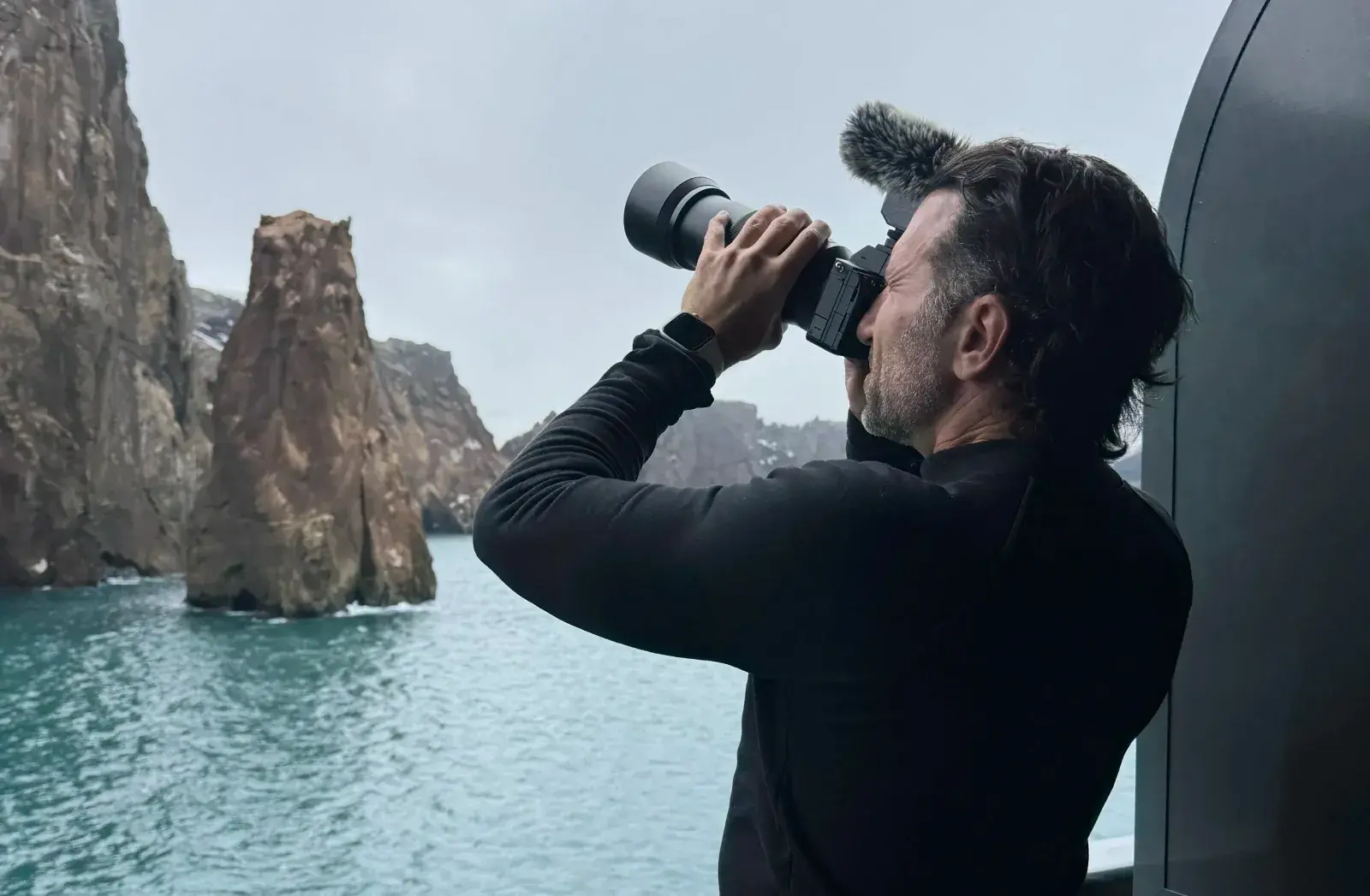
The camera used to be a conversation starter
We started filming our travels in 2020. Back then a travel vlogger was still a bit of a novelty. Not new, exactly, but unusual enough that people were curious rather than wary. In most places we went, YouTubers were admired, even appreciated.
That wasn’t just our ego talking. In 2019, a Harris Poll for LEGO asked 3,000 kids aged 8 to 12 what they wanted to be when they grew up. In the US, 29% said YouTuber. Astronaut, the classic answer, got 11% across the whole survey. Four years later, Morning Consult found that 57% of Gen Z would become an influencer if given the chance.
So for a while, being “the YouTubers” was a pretty nice thing to be. Then it wasn’t.
Somewhere around 2024, the smiles turned into side-eye
Our last year of full-time vlogging was when I really started noticing it. The camera stopped being a conversation starter and started being a problem someone had to manage.
More than once, a small group in the background of a shot would duck and cover as soon as they spotted the lens. They didn’t realize our depth of field was going to blur them into soft-focus anonymity anyway, but I understood the instinct completely. Another time I was just sitting at our table with my camera in my hand, not even recording, when a waiter walked over and told me, in a tone that left no room for discussion, that he absolutely did not want to be filmed. Fair enough. He hadn’t signed up to be in anybody’s episode.
I don’t blame anyone for that shift. By then the field had filled up with shock-vloggers and pranksters for whom other people, including other travelers, were basically props. Some creators were using their reach to pressure, shame, or flat-out wreck small businesses that didn’t comp them a meal. When going viral is the whole business model, the least mature people in an industry will do anything for the subs, and everybody holding a camera inherits the reputation.
Add the background-of-a-hundred-TikToks problem. You can’t eat a quiet dinner in a famous restaurant anymore without becoming an extra in somebody’s content. Now there are smart glasses that record whatever their wearer looks at, with no camera in sight. (The internet has a less polite nickname for Meta’s version.) People are tired of being filmed on their vacations, and they’re right to be.
The rules caught up, mostly in a weird way
The world’s most famous sites noticed first, and almost all of them drew the line at video, not photos. At the Taj Mahal, still cameras are fine, but tripods and professional video setups need permission from the Archaeological Survey of India. In Milan, the refectory that holds Leonardo’s Last Supper lets you snap a photo without flash, but no video and no professional equipment. At Abu Dhabi’s Sheikh Zayed Grand Mosque, professional cameras and filming gear need a permit from the mosque’s media center.
We learned those rules the hands-on way. Security at the Taj Mahal confiscated our main microphone at the entrance to the complex. Luckily our little wireless mics made it through, so the episode below still has sound. Abu Dhabi was less forgiving: the mosque’s metal detectors found everything, and we recorded our audio on our iPhones.
I’ll be honest: the logic of these rules always bugged me. You can take video, just not good video? The same phone that records shaky footage also records perfectly mediocre audio, and nobody confiscates it. A tourist holding a phone at arm’s length while narrating to their followers is a lot more disruptive than a quiet person with a decent mic clipped to their shirt. The rules target the gear, not the behavior. But I understand why they exist. “Pro gear” is the easiest proxy anybody has for “this person is here to make content, not to look at the monument.”
Restaurants and small businesses followed, and a lot of them now post flat-out “no cameras” policies. Even the Philippines, traditionally one of the most YouTube-friendly countries on Earth, has drawn a line. Its National Privacy Commission has made clear that your privacy rights don’t end when you step into a public place, and that posting candid footage of someone without their consent can count as unauthorized processing of their personal data under the Data Privacy Act.
Luxury travel is having the same fight, at $1,600 a night
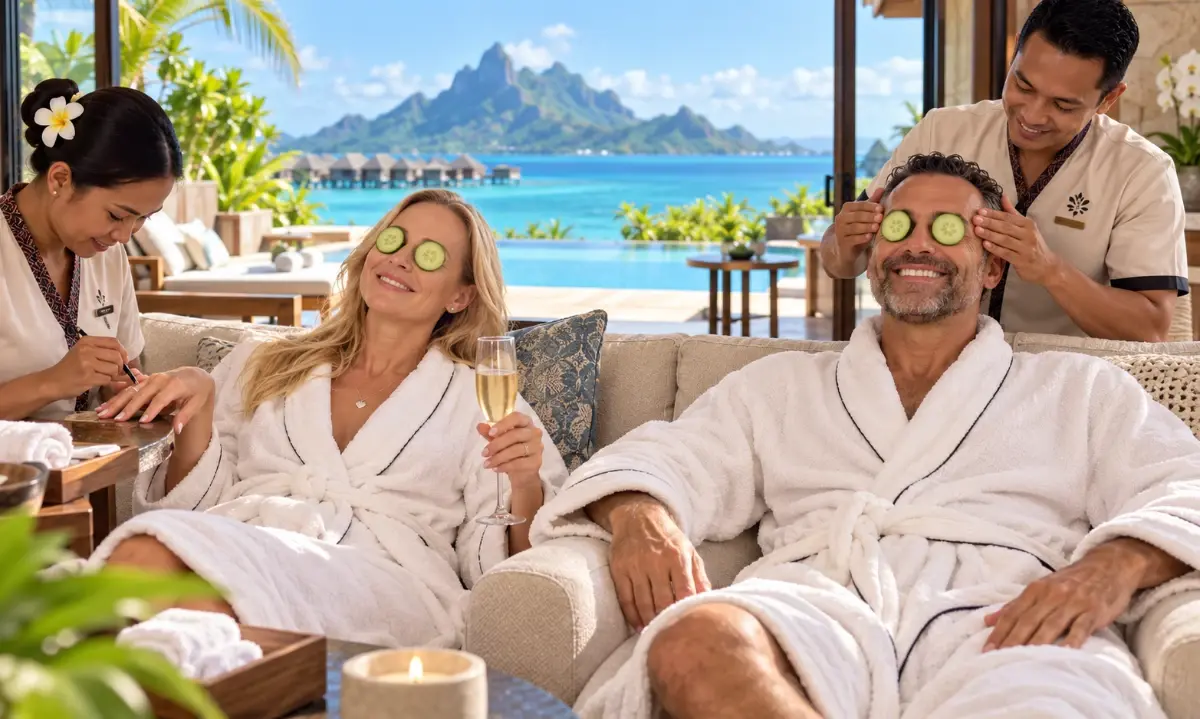
This summer, Doug Gollan at Forbes asked how YouTubers and influencers are impacting your luxury vacation. It’s worth the read. His numbers frame the problem neatly: Virtuoso says luxury hotel rates have roughly doubled since before the pandemic, to an average of over $1,600 a night, while some 3.7 million YouTube channels now post travel videos. The people paying the most for privacy are increasingly sharing their pool deck with a ring light.
The piece opens with a YouTube hotel reviewer whose booking at a brand-new 18-casita resort in Mexico was canceled at the last minute. Advisors told Gollan about clients who changed hotels over disruptive shoots, and clients who worry about ending up in the background of someone else’s video. Hotels told him they field dozens of requests a week from creators looking for free stays. The most sensible line came from a former Mandarin Oriental executive, Peter Bates: guests shouldn’t end up in content unless they’ve agreed to it.
We agree with that completely. We just think it applies everywhere, not only at $1,600 a night.
So we phased ourselves out of that world
In early 2025 we stopped vlogging full-time. Now we film a few key trips a year, and the point of those films has changed. They exist to help our clients decide on a trip: what the cabin really looks like, how rough the crossing really is, whether the landmark really lives up to the hype. A traveler who has watched an hour of the real thing makes a better decision than one who has looked at a brochure. That value is real, and it’s why we haven’t put the camera down entirely.
But we’ve changed how we use it:
- Strangers stay out of the shot. We frame around people, wait for them to pass, or move. If someone ends up in frame anyway, they’re out of the edit.
- We film away from the crowd. If there’s a quiet corner, a back terrace, or an hour before everyone else wakes up, that’s where the camera goes.
- B-roll happens when nobody’s there. We shoot restaurants and public spaces before opening or after close, with the owner’s blessing.
- Private tours over group tours. It’s better for the footage, but mostly it means the only people who can end up on camera are the ones who signed up for it.
- Nobody appears without permission. Not a waiter, not a guide, not a fellow passenger. We ask first, before the camera comes out, and if the answer is no, that’s the end of it.
The creator industry is growing up, and creators have to grow up with it. Right now there’s a pretty big gap between those two things. We chose to evolve along with how the public feels about cameras, rather than waiting for one more rule to force us. We’ll keep filming for what it gives viewers and travelers, but never at the cost of someone else’s enjoyment of the same place.
If you’re the one on vacation, here’s how to stay out of the frame
Most of what keeps cameras out of your trip comes down to choosing where and when you go, and that’s exactly the kind of thing we plan around.
Go when the crowd doesn’t. Early entry, after-hours access, and the shoulder hours at big sites cut the number of phones around you more than any rule does. Some of the best after-hours and VIP access we arrange exists precisely because nobody else is there.
Hire the guide, not the group. A private guide controls the pace, the route, and who’s standing next to you. It costs more than a group tour. It’s worth every cent at the places everyone wants to film.
Pick the property for its privacy, not its photo ops. A private villa, a smaller resort, or a hotel with a real filming policy (and staff who enforce it) makes a bigger difference than the thread count. The most “viral” lobby in town is the one with a tripod in it.
Ask your advisor the awkward question. “Does this place get a lot of creators?” is a perfectly reasonable thing to ask, and we usually know the answer.
If you’d like a trip planned around actually enjoying it, request a quote, or start a conversation with us and tell us how private you’d like it to be. We’ll keep the cameras out of your way. Including ours.
Watch
Episodes on this
Keep reading
October 9, 2026
Are Premium Travel Credit Cards Worth It? Twenty Years of Amex Platinum Math, and the Bill That Could Change It

September 30, 2026
Explora Club, Explained: The Tiers, the Status Match, and the MSC Back Door
September 28, 2026