



Savvy Traveler · October 9, 2026
Are Premium Travel Credit Cards Worth It? Twenty Years of Amex Platinum Math, and the Bill That Could Change It
I've held an Amex Platinum for twenty years and thought about canceling it many times. Here's the math that keeps it in my wallet, the United card I'm about to drop, the Chase card Erin got for one reason, and what Congress is doing that could reshape credit card points.

The card I’ve tried to cancel for twenty years
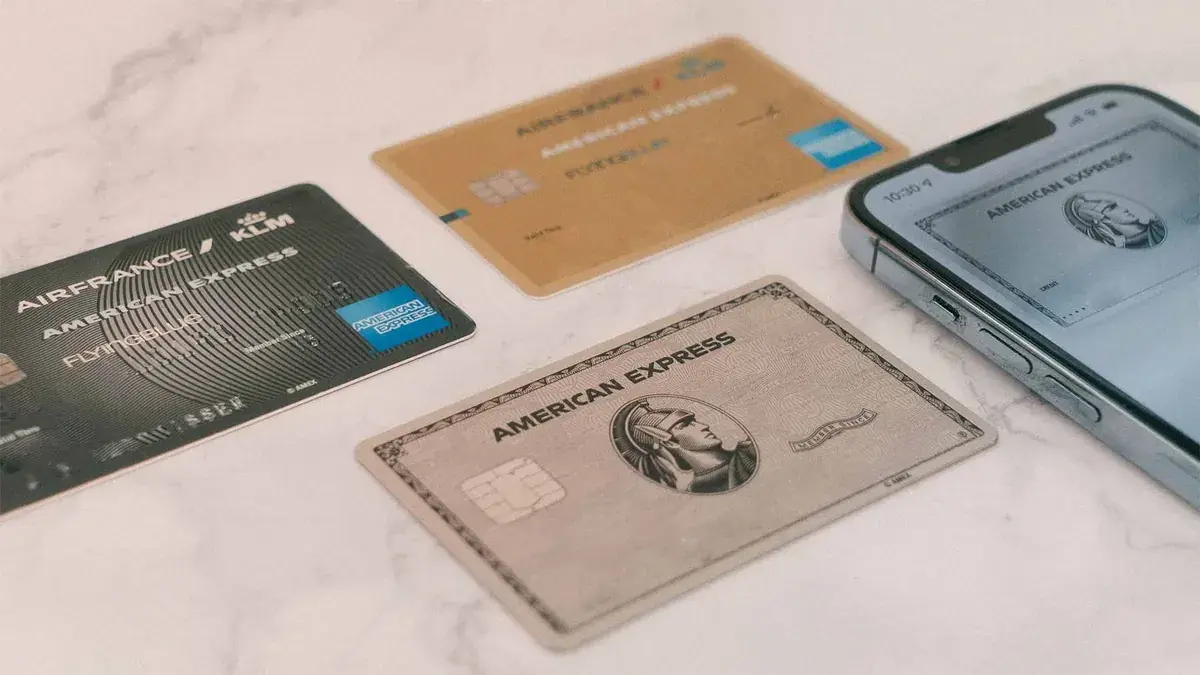
I’ve been an American Express Platinum cardholder for twenty years. In that time I have sat down, more than once, fully intending to cancel it. The annual fee has climbed to $895, and every renewal I ask myself the same question: is this still worth it, or am I just attached to the metal?
Every time, I run the numbers, and every time I keep it. Not because I’m squeezing every last credit out of the thing. Because even a modest effort covers the fee.
Here’s where the money actually comes from for us:
- Airport lounges. We’re a family of five, and for years we traveled almost constantly. Every hour in a lounge was an hour not spent buying airport meals, drinks and Wi-Fi for five people. For years that alone covered the fee, and it’s the single biggest reason the card has stayed. (It’s gotten harder, which I’ll get to below.)
- Credits we’d spend anyway. My card is the Business Platinum, and its Dell and ChatGPT Business credits cover a few hundred dollars a year of things we were already paying for. A credit is only worth money if it pays for something you’d have bought anyway, and these do.
- Points. We’ve booked free flights and hotel nights with Membership Rewards points more times than I can count. Some of those were the best-value trips we’ve taken.
So the Platinum stays. But that’s one card that fits how we travel. The other two cards in our household tell a less flattering story.
The card I’m about to cancel
More recently, I added the United Club Infinite card from Chase. The reasoning was sound at the time. In a lot of the airports we flew through, there were more United Clubs than Centurion Lounges, and the card also earned Plus Points and progress toward our MileagePlus status.
The catch is the same one that applies to every premium card: it’s worth it only while you travel that much. We’re traveling a lot less now than we were, and a $695 card built around United lounges and United status makes sense only for people flying United constantly. So it’s going.
Two things worth knowing if you’re in the same spot. Your MileagePlus miles live in your United account, not on the card, so closing it doesn’t erase them. And before you cancel any card, call and ask about a retention offer or a switch to a cheaper card from the same bank. The worst they can say is no.
The card Erin got for one reason
Last year Erin opened a Chase Sapphire Preferred. The reason was the sign-up bonus, full stop. The bonus was good, she hit the spend requirement, and we used the points.
Since then she’s barely touched the card. At $95 a year it’s not a disaster, but it’s a fee for a card that sits in a drawer. If that sounds familiar, there are two things to know. Chase points disappear if you close the account without moving them first, so use them or move them before you do anything. And Chase will often switch a card like this to a no-fee version, which keeps your account history and gets rid of the fee.

Four questions to ask before you sign up
The pitches are everywhere: the flight attendant with the application, the check-in agent offering to waive your bag fee, the influencer with the six-figure bonus. Before any of that sways you, ask yourself these four things.
1. Do you travel enough? This matters more than anything else. Lounges, travel credits, free checked bags, Global Entry or TSA PreCheck credits, travel insurance and elite status are all real value, but only if you travel enough to use them. If you take one or two big trips a year, a $95 card from the airline or hotel brand you actually use will often do better than an $895 card you can’t keep up with. We kept the Platinum because we were on the road constantly. That’s also exactly why the United card is going.
2. Are there good lounges where you fly? Lounge access is the headline perk on most premium cards, and it’s worth checking at your actual airports before you pay for it. Some bank lounges are wonderful and some are tiny. Lines and waitlists are common at the busy ones. Guest policies keep getting tighter, too, and Amex is just one of the brands doing it.
When we started traveling the world in 2020, our family of five could sit down to dinner and drinks in the Centurion Lounge in Denver. Compared with eating at Elway’s or ChopHouse down the concourse, that saved us as much as $200 a visit, in a nicer room. These days, our Amex spend gets me exactly one guest. If you travel with family, read the guest rules before you read the perks list.
And if you’re loyal to one airline, that airline’s own card or lounge membership can beat a general premium card. That’s why we picked up the United card in the first place.
3. Can you hit the bonus spend without stretching? The big sign-up bonuses come with big spending requirements, often several thousand dollars in the first three months and sometimes far more. That’s easy if you’ve got a wedding, a renovation or a big trip coming up anyway. It’s a trap if you have to manufacture spending to get there. And the points from the bonus aren’t a guaranteed business-class seat to Europe. Award space on the routes people want is hard to find.
4. Will you pay it off every month? If not, stop here. Interest charges wipe out the value of any perk or point faster than you can earn them. Premium cards are for people who pay the balance in full, every month, without exception.
One more thing nobody puts in the ads: keeping track of all of this takes work. Credits reset monthly, twice a year or once a year. Some need enrollment. Some only work at certain merchants. If you won’t keep track, the card’s value on paper isn’t its value to you.
The bill in Congress that could change the math
This is the part most “best card” lists skip, and it could matter more than any bonus.
The Credit Card Competition Act
What it would do: Today, almost every Visa or Mastercard credit card can only be processed over Visa or Mastercard. The Credit Card Competition Act would require the biggest card issuers, banks with more than $100 billion in assets, to enable at least one more network on their cards. Merchants could then route transactions over whichever network is cheaper. The goal is to bring down the “swipe fees” stores pay on every card transaction.
Why points people care: Those swipe fees are a big part of what pays for rewards. The bill doesn’t mention rewards at all, but if the fees fall, banks have less money to hand out as points, lounges and credits. We’ve seen this before. When Congress capped debit card swipe fees in 2010, debit card rewards mostly disappeared.
Who’s exposed and who isn’t: The bill exempts “three-party” networks, where the card issuer and the network are the same company. That’s American Express. So the cards most at risk are the Visa and Mastercard ones, including Chase’s Sapphire cards and airline cards like the United cards. Some analysts think Amex would actually come out ahead if the bill passed.
Where it stands as of early October 2026:
- Senators Roger Marshall and Dick Durbin reintroduced it in January 2026, with companion bills in the House. President Trump endorsed it the same month and again over the summer.
- Supporters have tried to attach it to other bills, including a crypto market bill in January and the big housing bill that became law this summer. Every one of those attempts failed.
- Two more Republican senators signed on as cosponsors in August. But as of the latest reporting we could find, from August, neither chamber had held a committee hearing or a vote on it.
- Trump and Vice President Vance have kept promoting it on the midterm campaign trail. The next realistic window is the lame-duck session after the November election. In August, betting markets put its odds of passing at around one in ten.
Banks and card networks are fighting it hard, merchants are pushing just as hard, and it hasn’t passed since it was first introduced in 2022. It isn’t dead, though, and the White House hasn’t given up on it.
The 10% interest rate cap
In January 2026, President Trump called for credit card interest rates to be capped at 10% for a year. There are bills in both chambers that would do it, but they’re still in committee and nothing is law. A cap like that wouldn’t touch rewards directly. But interest is a big source of card revenue, and most analysts expect that if it went away, banks would approve fewer people and trim rewards to make up the difference.
What we’d actually do about it
Not much, yet. Nothing has passed, and card rules don’t change overnight even when laws do. But if you’re sitting on a big pile of points, this is one more reason not to hoard them. Points lose value over time even without Congress: banks and airlines devalue them on their own schedule. Use them for trips you actually want, and keep a mix of programs so one change doesn’t wipe out your plans.
Our take
If you travel a lot, a premium card can easily pay for itself. If you don’t, it’s an expensive way to feel like you do. Keep a card for as long as it fits the way you travel right now, not the way you traveled three years ago, and cancel it without guilt when it stops fitting. That’s exactly what we’re doing with the United card.
For using the points well once you have them, start with how to earn and use airline points without wasting them.
And if you’ve got a stack of points and a big trip in mind, tell us about it. We’ll help you work out where the points do the most good and where a cash fare with our perks does better. Request a quote, or if you’d rather talk it through first, start here.
Watch
Episodes on this



Keep reading