Savvy Traveler · December 22, 2025
Traveling India: Where History, Heart, and Humanity Collide
From Mughal cities and royal palaces to wildlife safaris, serene lakes, and Kerala’s backwaters, India offers a journey rich in culture, color, and connection. Thoughtfully paced and surprisingly family-friendly, it’s a destination that rewards curiosity and leaves a lasting imprint.
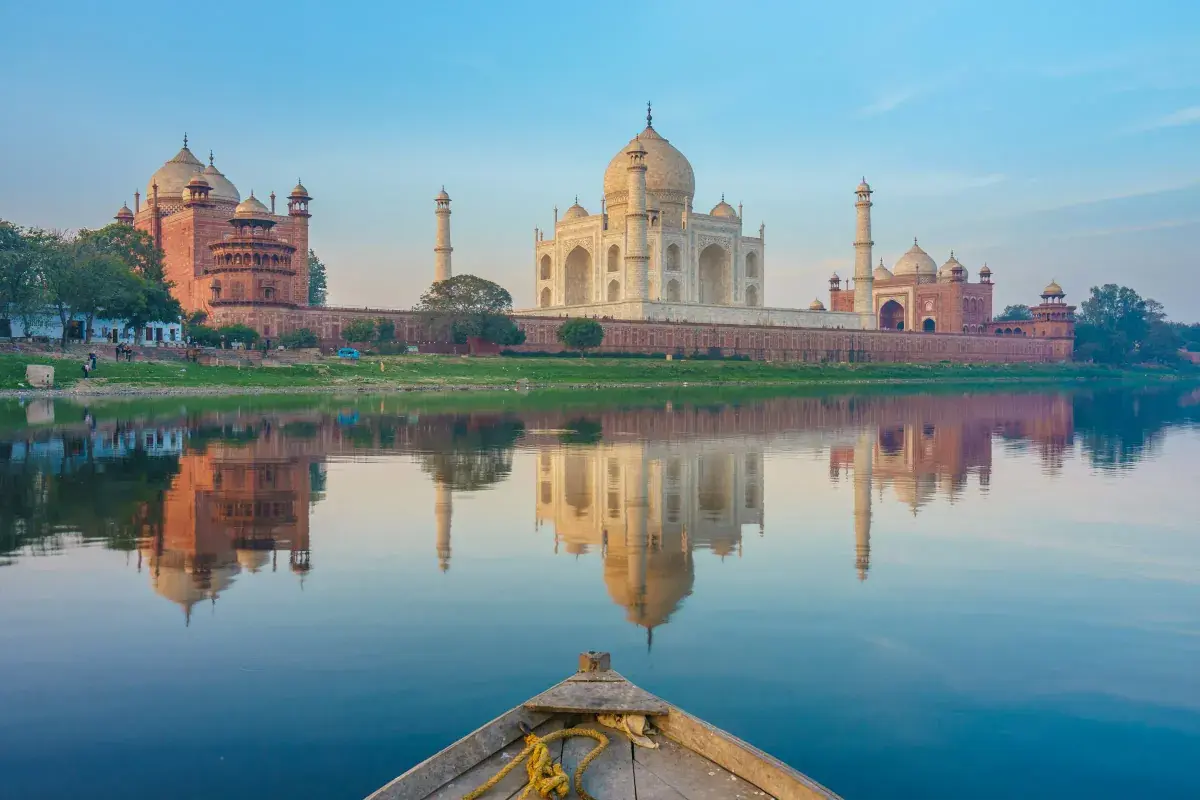
There are destinations that impress you, destinations that entertain you, and destinations that change the way you see the world. India belongs firmly in the third category.
India does not reveal itself all at once. It unfolds slowly, in layers—through architecture worn smooth by centuries, rituals repeated daily without spectacle, wildlife moving quietly through protected forests, and meals shared across generations. It is ancient and modern, overwhelming and grounding, chaotic and profoundly ordered. To travel India well is not to rush between highlights, but to allow space for the country to speak in its own voice. (If you’ve never considered the case for slow travel, India will make it for you.)
For many travelers—especially families—India is approached with equal parts fascination and hesitation. Will it be too intense? Too crowded? Too unfamiliar? And yet, those who experience India with thoughtful pacing, trusted local guides, and well-chosen accommodations often return with the same realization: India is not difficult; it is deeply human. It’s also worth noting that having the right travel planner in your corner makes an outsized difference on a trip like this—not just for logistics, but for the caliber of guides, hotels, and experiences that actually reach you.
India as a Family Destination: Rewriting the Narrative
India is not traditionally marketed as “family-friendly,” but that framing misses something essential. Family is not an accessory to Indian life—it is the foundation of it. Multi-generational households, shared meals, public celebrations, and collective rituals shape daily existence in ways that feel immediately relatable to traveling families.
Children are not sidelined in India; they are welcomed. They are greeted, spoken to, smiled at, and included. Curiosity flows both ways, and kids often become instant ambassadors, opening doors to interactions adults alone might never experience.
What makes India work especially well for families is intentional design:
- Short travel days rather than long transfers
- Cities balanced with nature and wildlife
- Hands-on experiences instead of museum overload
- Hotels that act as calm sanctuaries between explorations
When structured thoughtfully, India becomes not just manageable—but magical.
Northern India: Living History, Not Static Monuments
Delhi: The Pulse of Past and Present
Any meaningful journey through northern India begins in Delhi, a city that resists simple definition. Delhi is not one city, but many—layered atop one another across time. Ancient settlements, Mughal capitals, colonial ambitions, and modern India all occupy the same physical space.
In Old Delhi, narrow lanes hum with life. Spice merchants scoop vibrant powders into paper cones. Metalworkers hammer shapes they learned as children. Rickshaws weave through streets barely wider than a hallway. For families, this is where India becomes tangible—not as an abstract culture, but as lived reality.
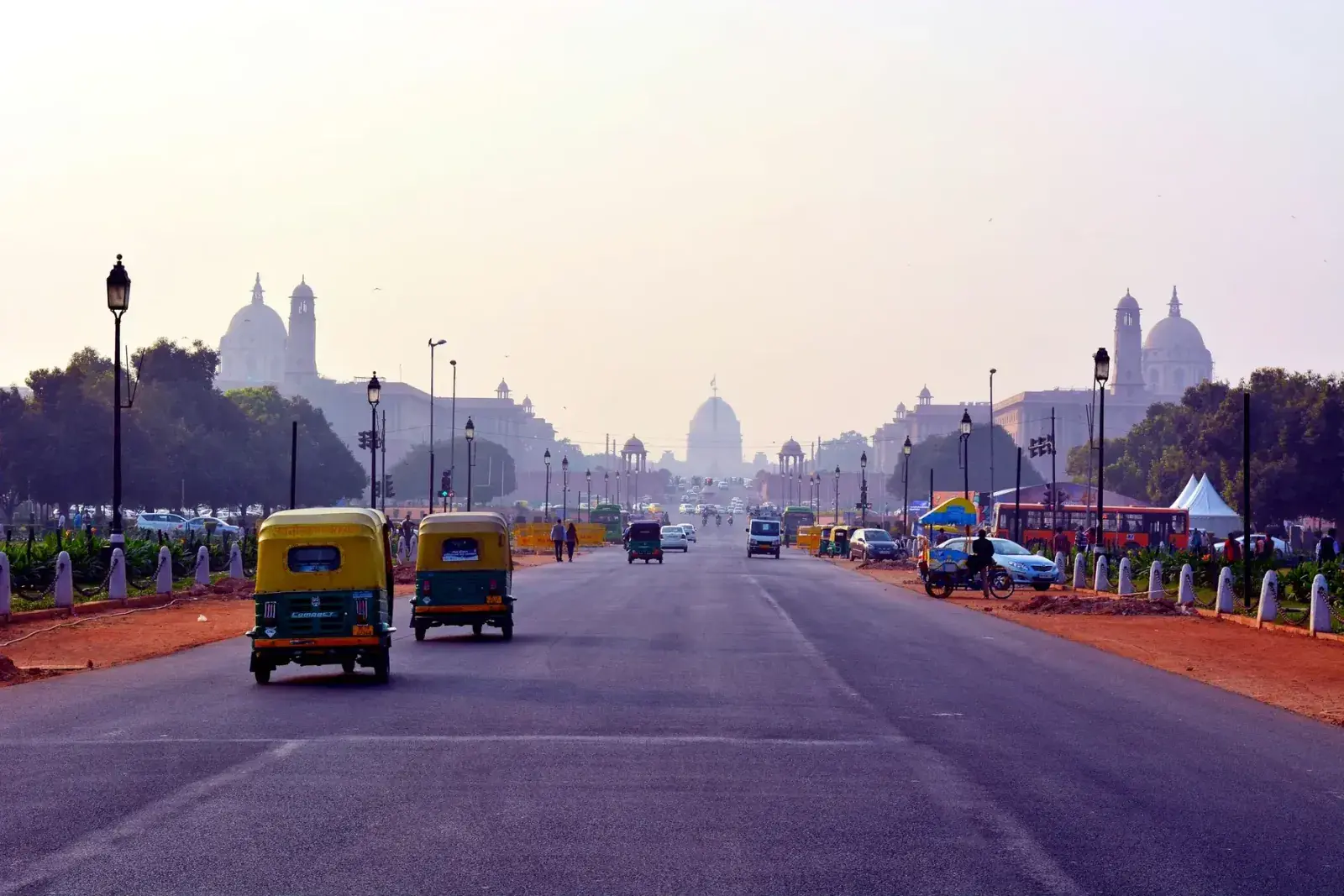
Meanwhile, New Delhi tells a different story. Designed by Sir Edwin Lutyens, its wide boulevards and grand government buildings speak to imperial vision and modern governance. Sites like Rashtrapati Bhavan and India Gate provide context for India’s more recent history, offering balance to the medieval density of the old city.
Delhi teaches an early lesson: India is best understood through contrast, not absolutes. For a home base that delivers calm amid the chaos, The Oberoi, New Delhi sets the tone beautifully—a genuinely luxurious property that lets the city’s intensity work for you rather than against you.
Agra: Love, Legacy, and the Weight of Time
South of Delhi lies Agra, a city whose name is forever tied to the Taj Mahal. Yet Agra is more than a single monument—it is a place shaped by empire, artistry, and ambition.
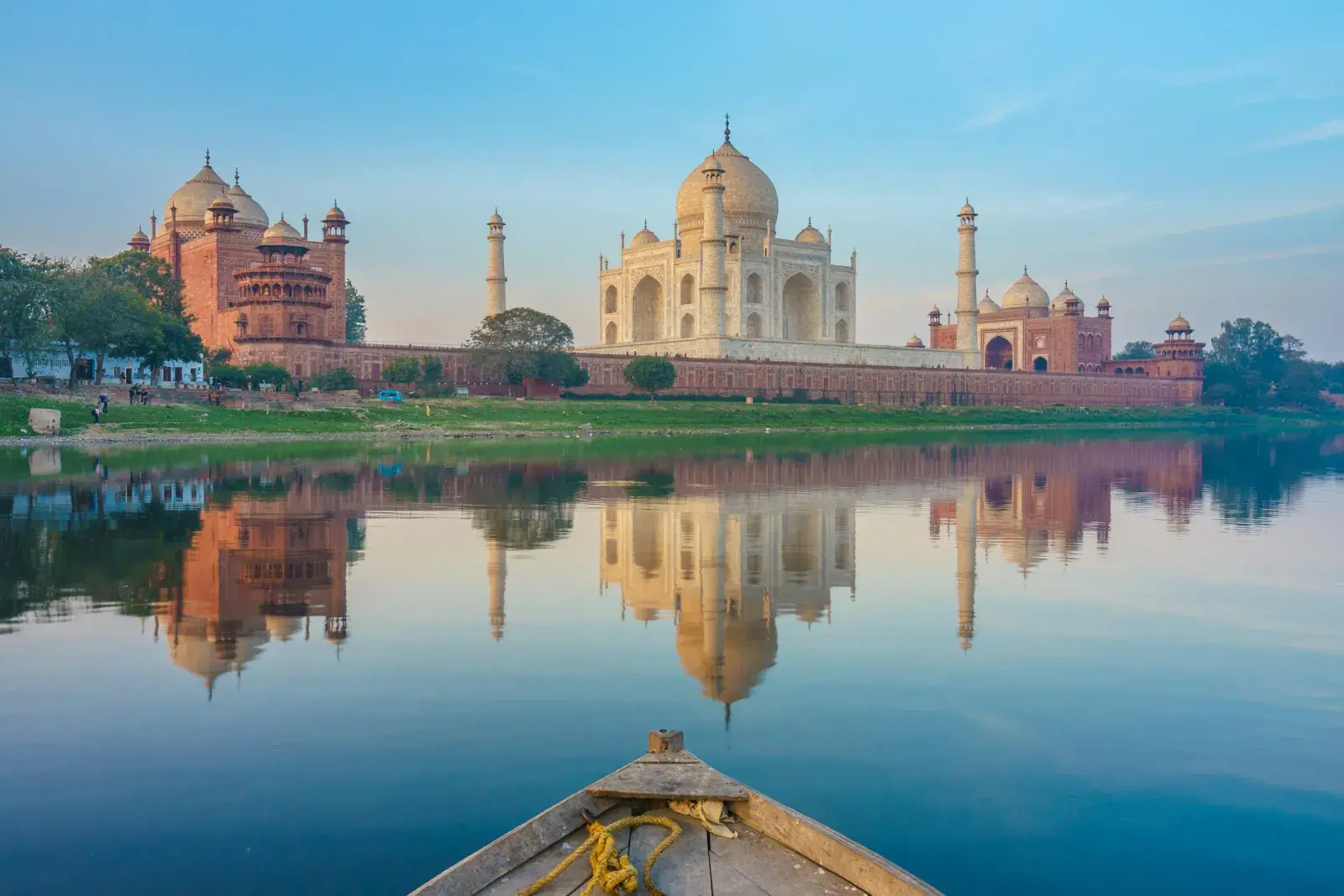
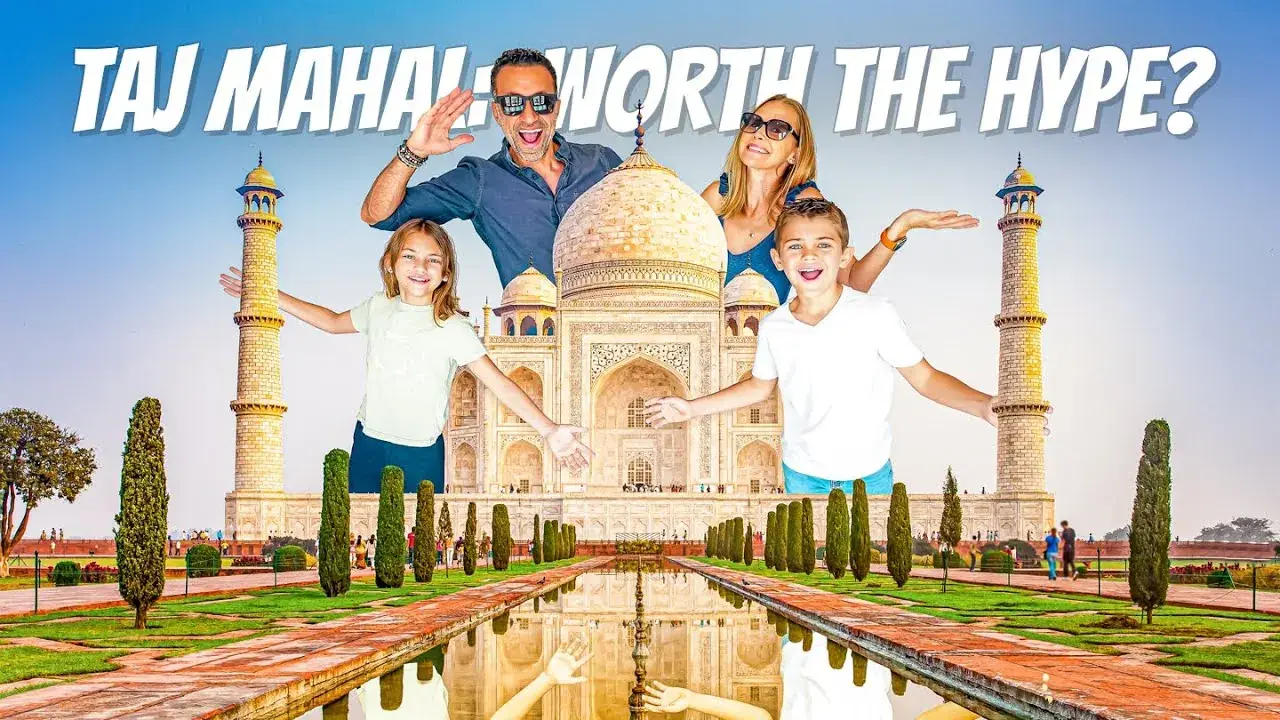
The Taj Mahal is often described as beautiful, but that word fails to capture its emotional precision. Built as a tomb by Emperor Shah Jahan for his beloved wife, Mumtaz Mahal, the structure communicates devotion through symmetry, proportion, and light. Visiting at sunrise or sunset allows the marble to absorb the sky’s shifting colors, transforming the experience into something quietly transcendent.
For families, the Taj Mahal becomes a storytelling moment rather than a sightseeing stop. Children connect with the human narrative behind the monument, understanding that history is not just dates and facts—it is people, relationships, and emotion preserved in stone.
Nearby, Agra Fort provides contrast: imposing walls, audience halls, and private chambers reveal the mechanics of empire. Together, these sites offer a fuller picture of Mughal India—both its romance and its power. And if you’re going to do Agra right, there’s really only one place to stay: The Oberoi Amarvilas, where every room faces the Taj Mahal. Waking up to that view is the kind of thing that stays with you.
Rajasthan: Royal Grandeur and Living Craft
Jaipur: Color, Calculation, and Creativity
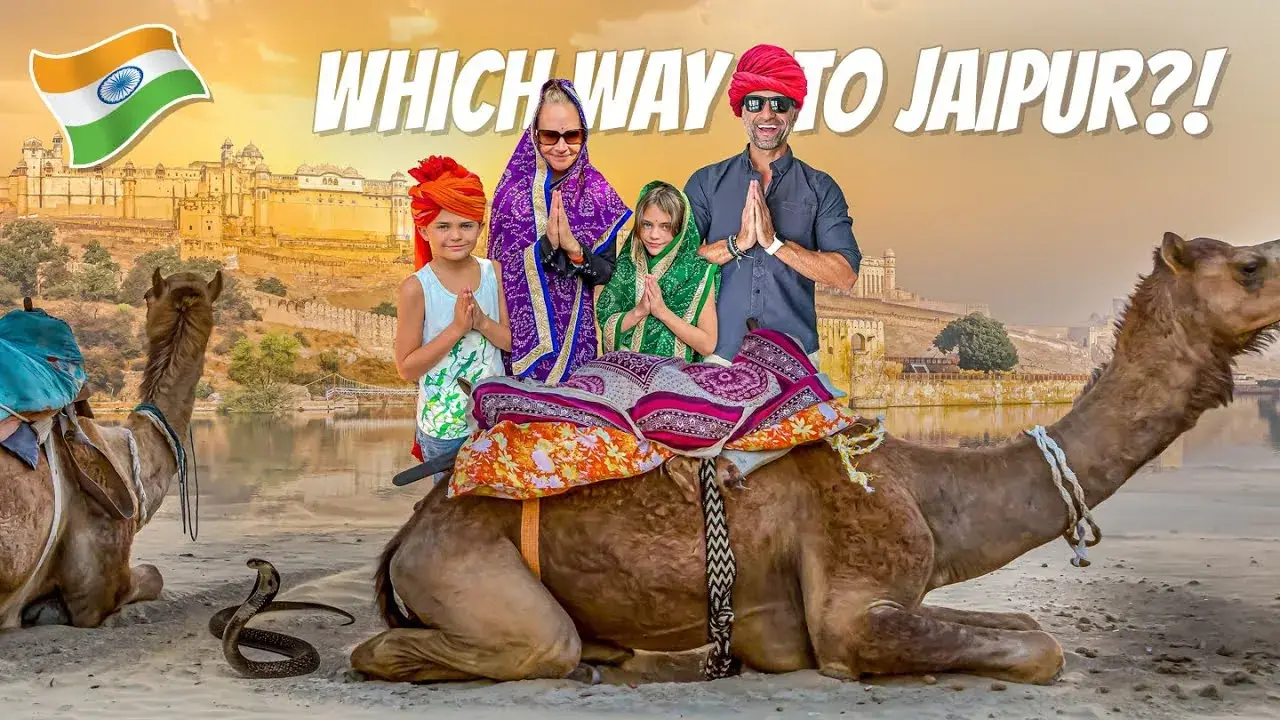
In Jaipur, India turns vivid. Known as the Pink City, Jaipur balances architectural splendor with the energy of daily commerce. Forts crown hills, palaces anchor neighborhoods, and markets buzz with artisans practicing skills passed down for generations.
Amer Fort feels cinematic, especially for younger travelers. Its courtyards, mirrored halls, and layered defenses invite imagination, while guides animate the space with stories of royal life. Nearby, the Jantar Mantar observatory transforms astronomy into something visual and physical, helping children understand science through scale and form.
Beyond landmarks, Jaipur excels at cultural immersion. Watching jewelers set stones or craftsmen shape lacquer bangles reveals how tradition survives not in museums, but in daily work. For families, this hands-on exposure often resonates more deeply than formal tours ever could. The Oberoi Rajvilas is the benchmark property here—a restored villa estate just outside the city that somehow manages to feel like a secret even when you know about it.
If you’re thinking about tackling northern India as a structured package, our &Beyond 11-Day Northern India itinerary covers Delhi, Agra, Jaipur, and Ranthambhore with the pacing and access that makes the difference between a good trip and a great one.
Wild India: Ranthambhore and the Power of Stillness
India’s cultural intensity finds its counterbalance in nature, nowhere more powerfully than Ranthambhore National Park.
Once a royal hunting reserve, Ranthambhore is now one of India’s most important wildlife sanctuaries and among the best places in the world to observe tigers in their natural habitat. Game drives unfold slowly, encouraging patience and awareness. Silence is part of the experience.
For families, safari days often become highlights of the entire journey. The anticipation of spotting wildlife, the shared excitement of discovery, and the rhythm of early mornings create bonds that linger long after the trip ends. Even without tiger sightings, the park’s biodiversity—deer, birds, monkeys, crocodiles—ensures each drive feels alive.
Ranthambhore’s landscape is uniquely atmospheric. Ancient fort walls and temples rise from forested hills, reminding visitors that nature and history have long shared this space. It is a place where time feels suspended, and perspective shifts naturally. The Oberoi Vanyavilas sits at the park’s edge and is widely considered one of the finest wildlife lodges in Asia—its tented suites are genuinely stunning without sacrificing the immersive, close-to-nature feel that makes a safari meaningful.

Udaipur: Reflection, Romance, and Shared Quiet
After Rajasthan’s dust and drama, Udaipur offers pause. Often called the City of Lakes, Udaipur feels intimate, almost poetic. White palaces float above still water, and hills frame the horizon like a painted backdrop.
Walking through the old city reveals a quieter India—temples tucked into residential lanes, craftsmen working in small shops, daily rituals unfolding without urgency. For families, this slower rhythm provides breathing room, allowing experiences to settle rather than stack.
A sunset boat ride on Lake Pichola often becomes one of the most memorable moments of a northern India journey. Conversation softens, the city glows, and the experience speaks for itself. Udaipur teaches travelers the value of stillness. The Oberoi Udaivilas is the obvious choice here—built on the shores of Lake Pichola, it offers the kind of views and atmosphere that genuinely justify the splurge.
Expanding the Story: India Beyond the North
Mumbai: Energy, Ambition, and Modern Identity
In Mumbai, India’s future feels immediate. This coastal megacity is a study in contrasts—colonial architecture beside glass towers, historic neighborhoods next to cutting-edge art scenes.
Families often connect with Mumbai through storytelling: Bollywood’s influence, the city’s entrepreneurial spirit, and the everyday rituals of life along the waterfront. It is fast-paced, yes, but also deeply expressive—a city where ambition and creativity coexist openly.
Kerala: Backwaters, Green Horizons, and Gentle Time
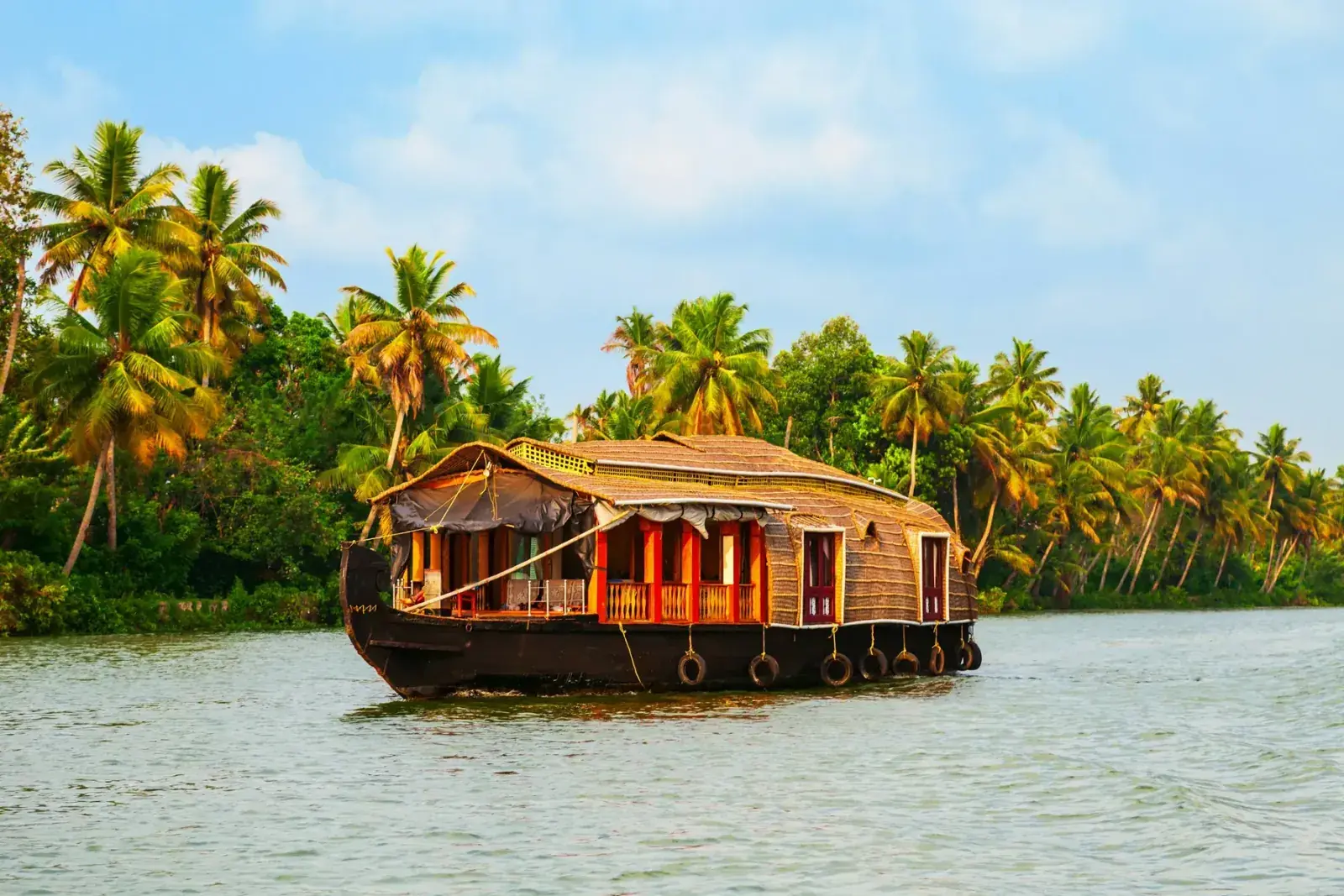
At India’s southern edge lies Kerala, a region defined by water, greenery, and calm. Known for its backwaters, spice plantations, and palm-lined canals, Kerala feels like a release after the intensity of northern cities.
The houseboat experience is transformative for families. Floating slowly through canals, travelers observe village life at eye level—children biking along narrow paths, fishermen casting nets, birds gliding at dusk. Time stretches, screens disappear, and shared presence takes over.
Kerala also introduces a different culinary rhythm—lighter, coconut-based dishes that often appeal to younger palates. Combined with its slower pace, Kerala becomes a place where families reconnect not just with the destination, but with each other.
Why India Stays With You
India does not offer easy answers. It asks for curiosity, patience, and openness. In return, it offers perspective.
Travelers often leave India changed in subtle but lasting ways. Children return with stories that don’t fit neatly into textbooks. Parents gain a deeper appreciation for resilience, ritual, and human connection. Families share memories that feel earned—not manufactured.
India is not a destination you simply visit. It is one you carry forward, long after the journey ends.
Watch
Episodes on this

Keep reading