


Sea2Peak's Classic Antarctica Cruise
 Curated bySea2PeakAdventure Travel Content Creators
We crossed the Drake Passage, stepped onto the Seventh Continent, and stood inside penguin colonies with humpbacks breaching close enough to feel the splash. Now we’ve partnered with ABC Trips to make that exact journey available to you.
- Nov 29 – Dec 8, 2026
- All-Inclusive
- Experiential Learning Adventure
- Family-Friendly
- Wildlife Encounters
- All-suite accommodation
We Made It to the Seventh Continent — Now It’s Your Turn
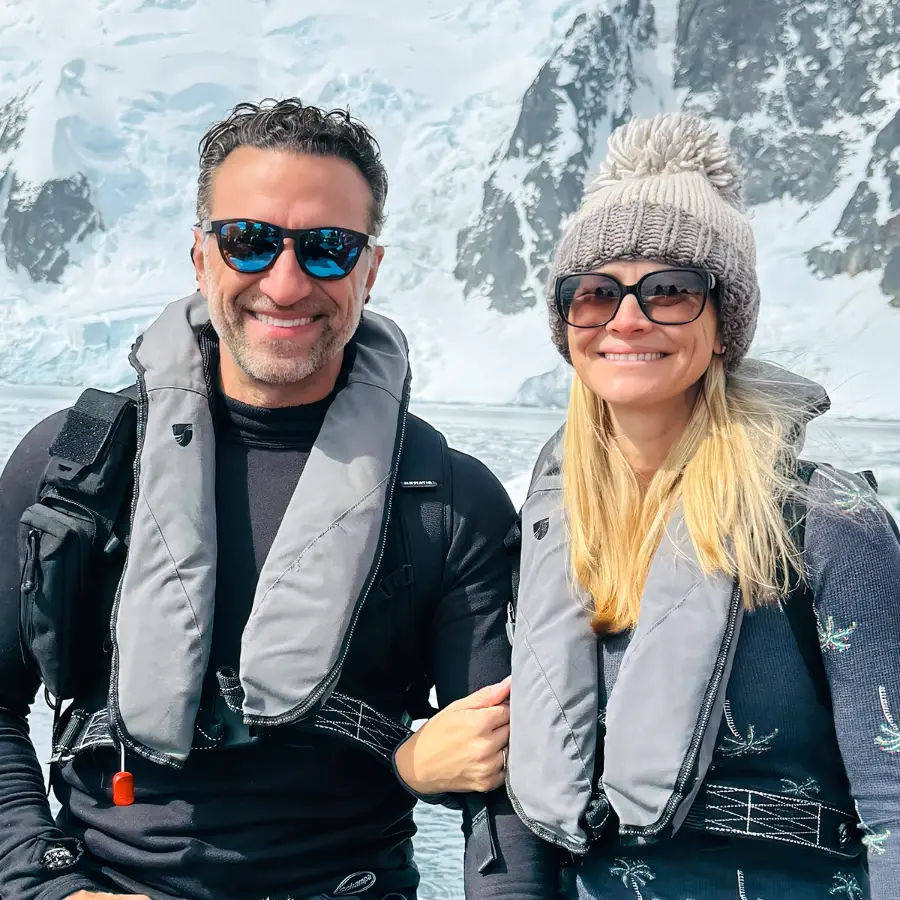
We’re Megs and Pat — the adventure-obsessed duo behind Sea2Peak, where every trip lives somewhere between sea level and the summit. We’ve dived with manta rays, hiked Himalayan ridgebacks, and paddled rivers that barely appear on maps. But Antarctica? Antarctica was different. This wasn’t just another box on the list. This was the one we’d been quietly building toward for years, not quite sure we were ready until, one day, we absolutely were.
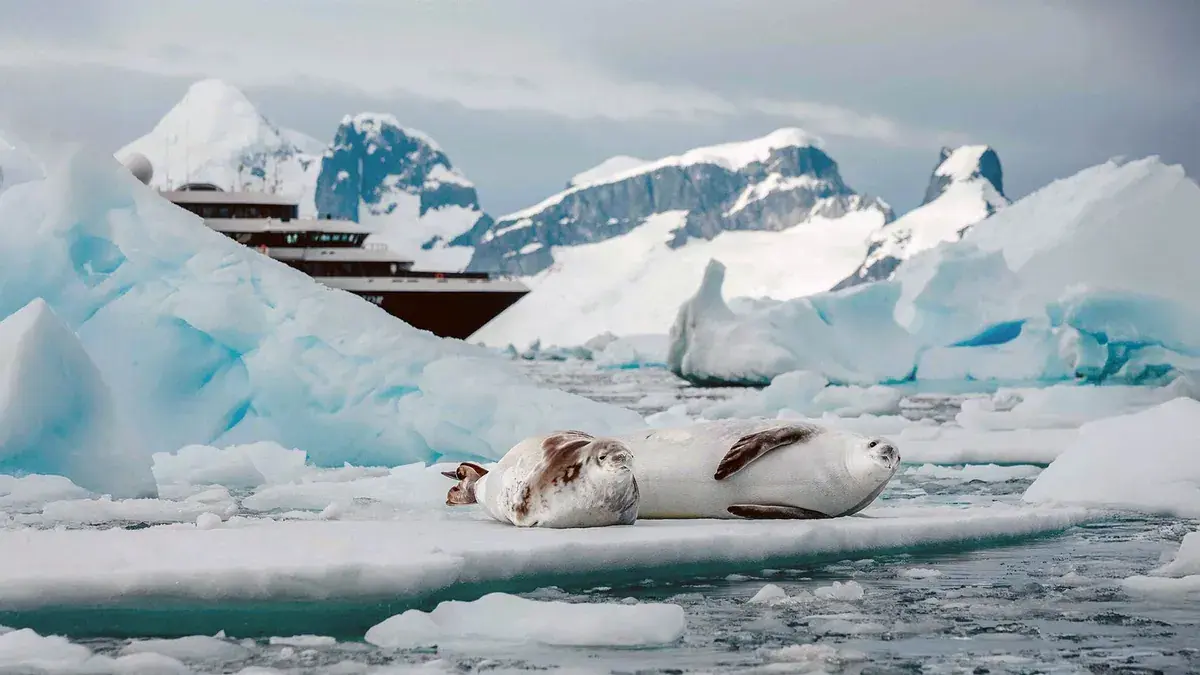
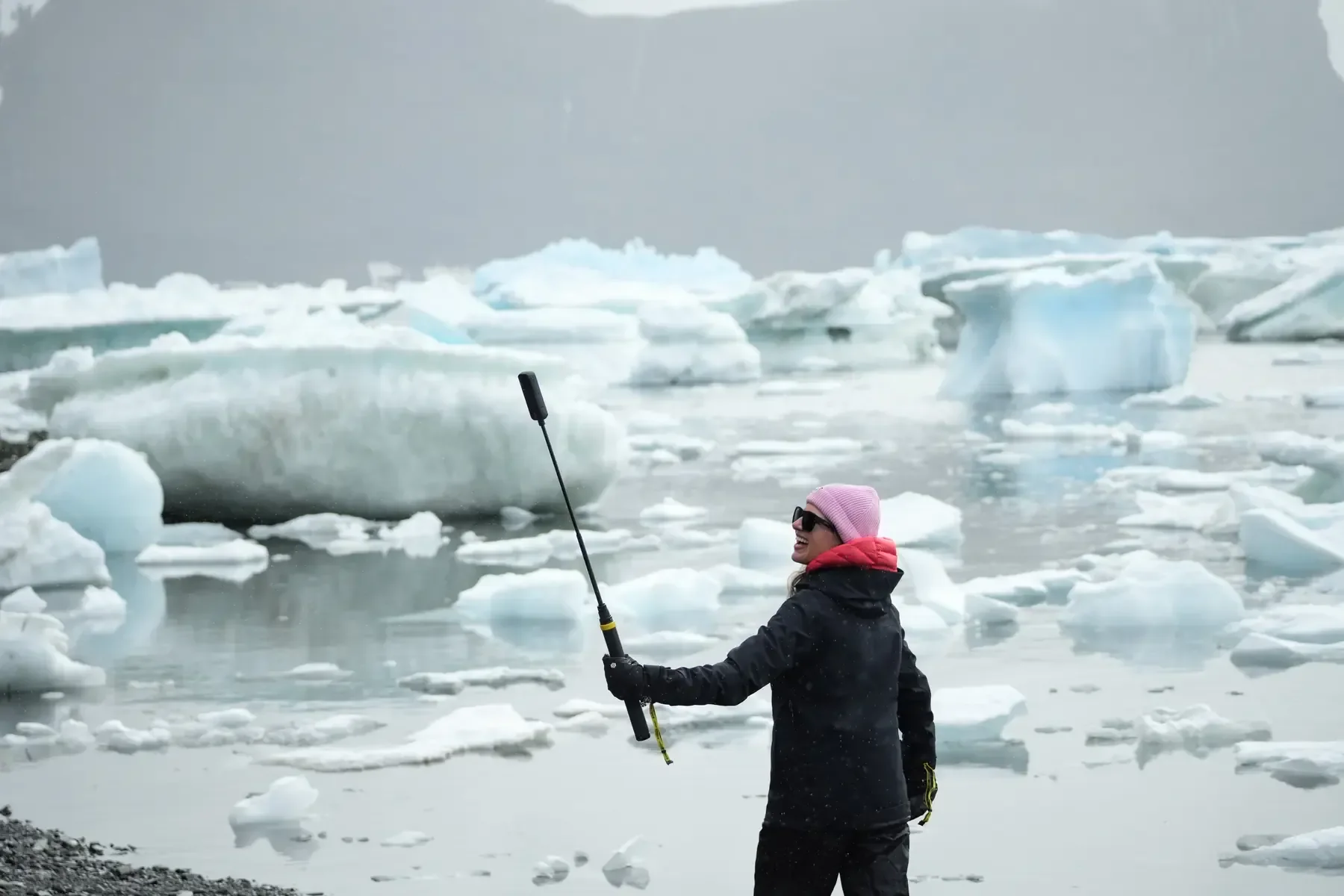
Our Antarctic Peninsula expedition was everything we hoped it would be — and a handful of things we didn’t anticipate at all. Mainly, how profoundly quiet it is. Not just the landscape (though yes, the silence there is its own kind of overwhelming), but the way Antarctica quietly recalibrates everything you thought you knew about wilderness. We crossed the Drake Passage, stepped onto the continent, stood inside penguin colonies, drifted past leopard seals in a Zodiac, and watched humpbacks breach close enough to feel the splash. It was, without qualification, the most extraordinary trip of our lives.
After we got home and the avalanche of DMs hit — all some version of “HOW do we do this??” — we knew we needed to make this easier for people to actually book. That’s where our partners at ABC Trips come in. They’re a boutique travel agency run by another adventure-obsessed family (you may have crossed paths with the Lockwoods and their YouTube channel), and they specialize in exactly this kind of bucket-list expedition travel. They know the polar region inside and out, and they’ve built a booking experience that makes the whole intimidating process feel remarkably manageable.
Through this page, you can book a Classic Antarctica expedition itinerary that traces the same route we took — the Drake Passage crossing, the South Shetland Islands, the Antarctic Peninsula, the Lemaire Channel, all of it. Weather and ice conditions will always have the final say on specifics (that’s just how Antarctica works, and honestly, it’s part of the appeal), but this is the itinerary. Ten days, nine nights, one continent you’ll never stop talking about. We waited until we were ready. You don’t have to.
Day by day
The itinerary.
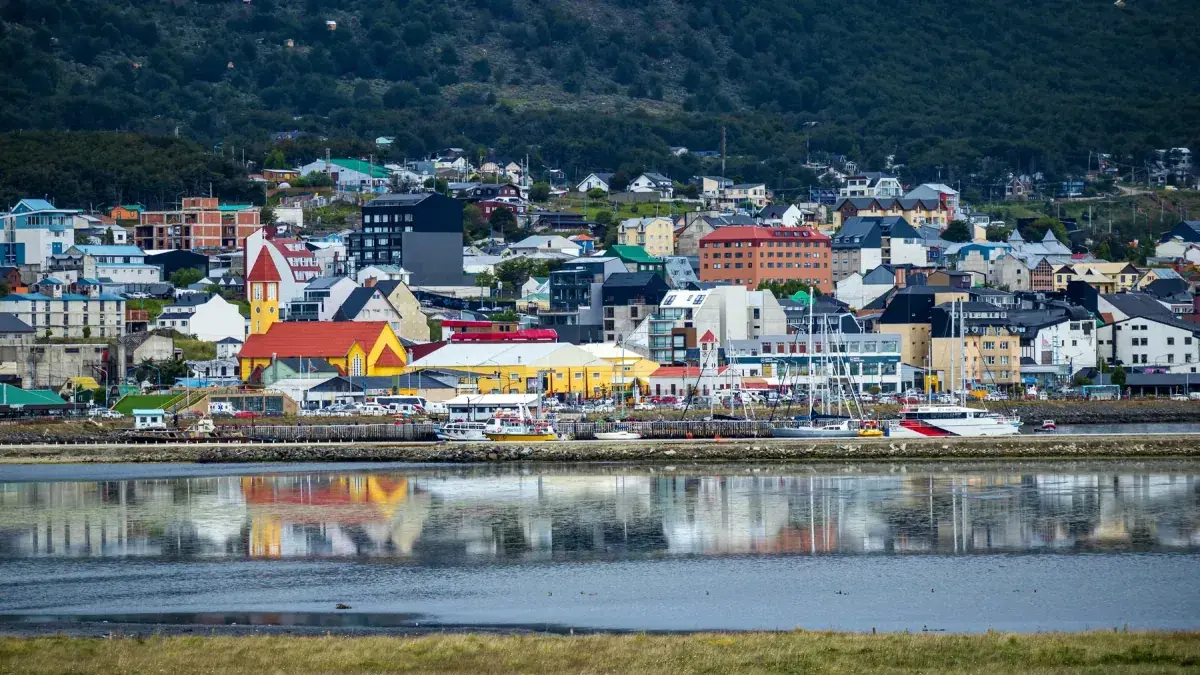
Your Antarctic adventure begins the moment you board in Ushuaia — the self-proclaimed “End of the World” and the southernmost city on earth. After settling into your cabin and meeting your expedition and lecture team, the ship casts off in the afternoon and begins its journey along the legendary Beagle Channel, the same waterway that carried Charles Darwin on his voyage aboard the HMS Beagle in the 1830s.
As you sail east through the channel, the scenery builds steadily — forests give way to glaciers, and the mountains of Tierra del Fuego crowd the shoreline on both sides. The passage through the scenic Mackinlay Pass offers your first hint that what lies ahead will operate on a different visual scale entirely. Tonight, the Southern Ocean opens up.
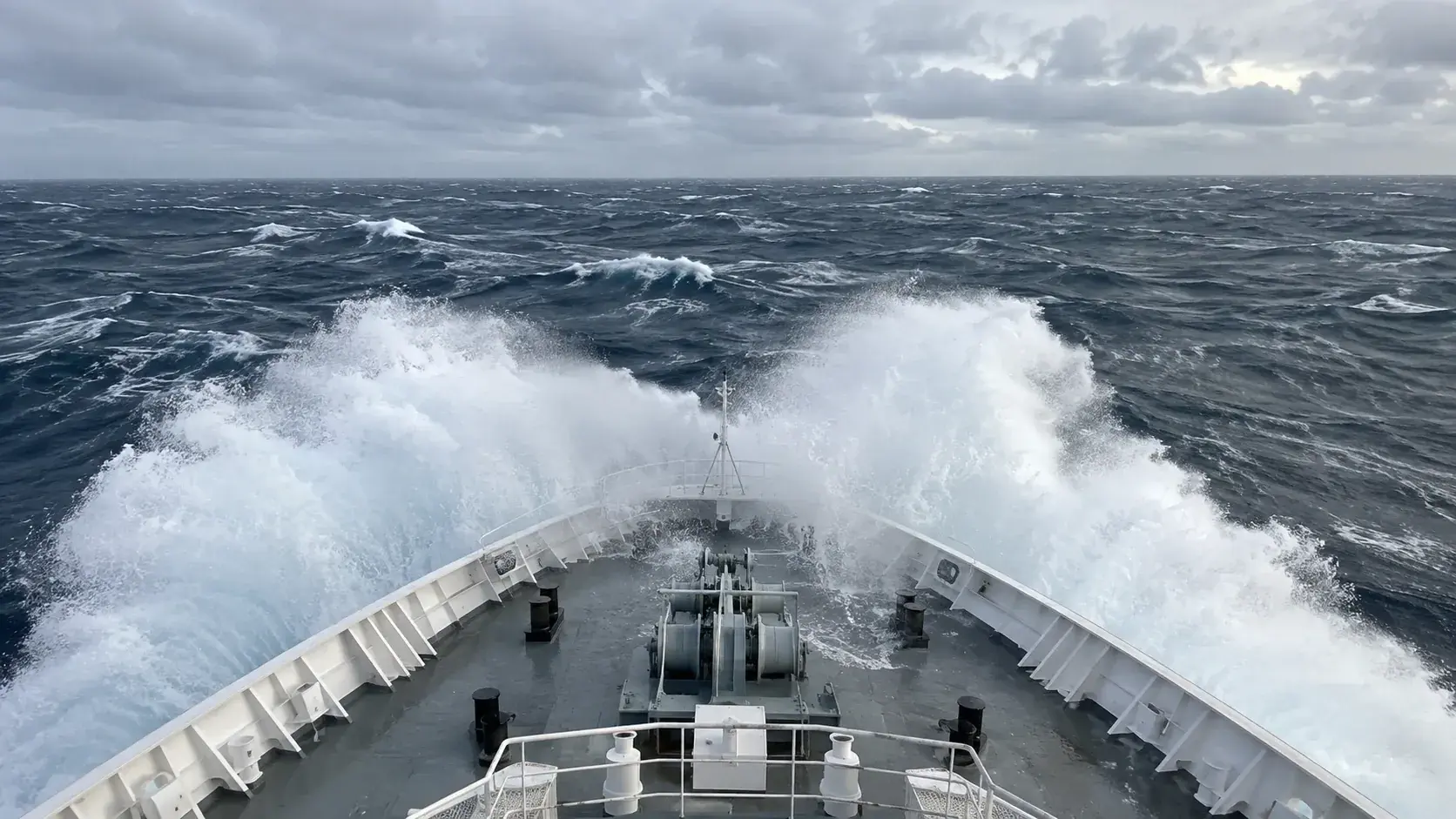
Named after Sir Francis Drake, who sailed these waters in 1578, the Drake Passage is one of the most storied stretches of ocean on earth — and also, famously, one of the roughest. It marks the Antarctic Convergence, a biological boundary where cold polar water sinks beneath warmer northern currents, creating a massive upwelling of nutrients that sustains the extraordinary biodiversity of the Southern Ocean ecosystem.
Your expedition team will be out on deck throughout the crossing, helping identify the remarkable variety of seabirds following in the ship’s wake — including multiple albatross species capable of trailing a vessel for hundreds of miles. A full lecture program runs through both Drake crossing days, covering Antarctic history, wildlife ecology, and the science behind the ice you’ll soon be standing on. The ship’s open bridge policy means you’re welcome to join the officers at any time.
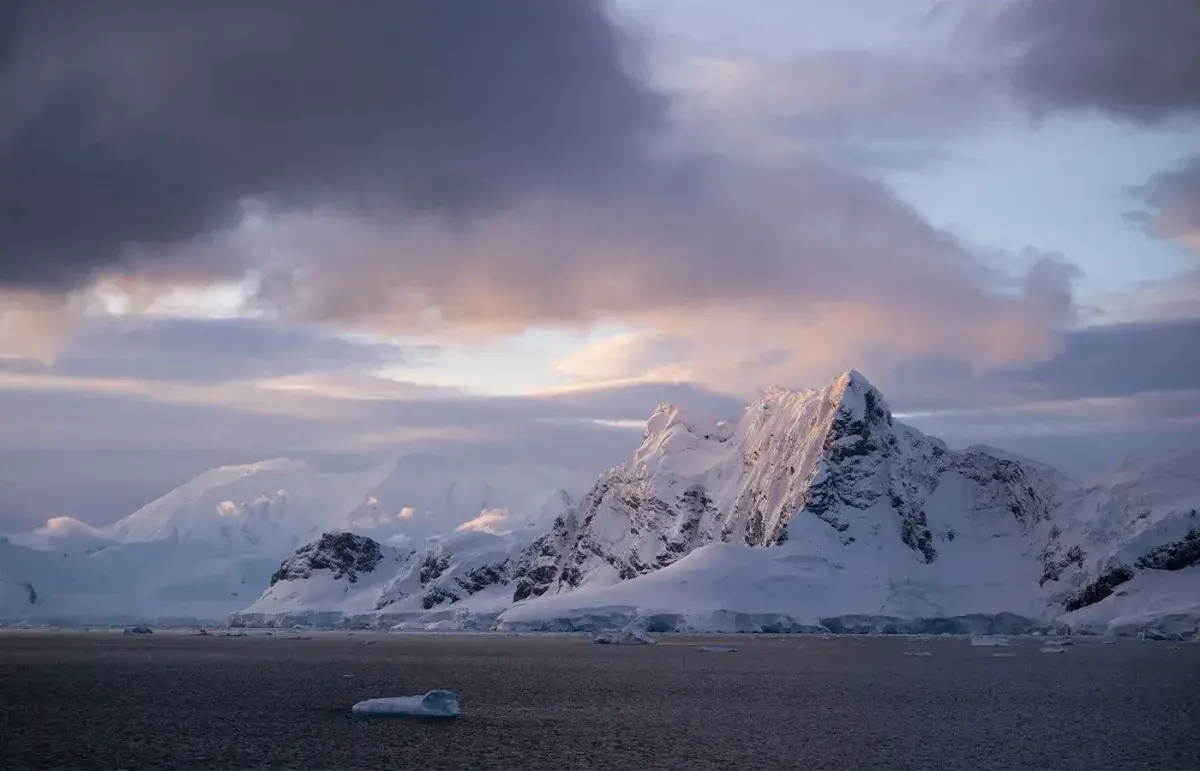
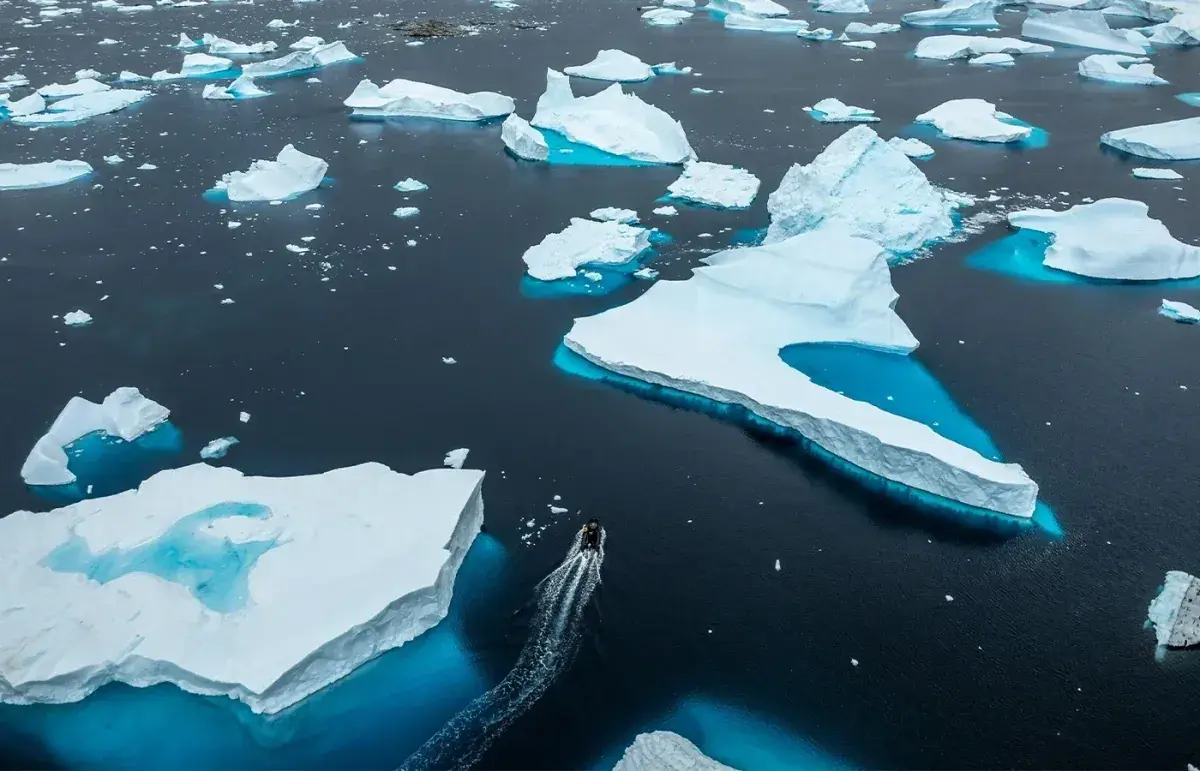
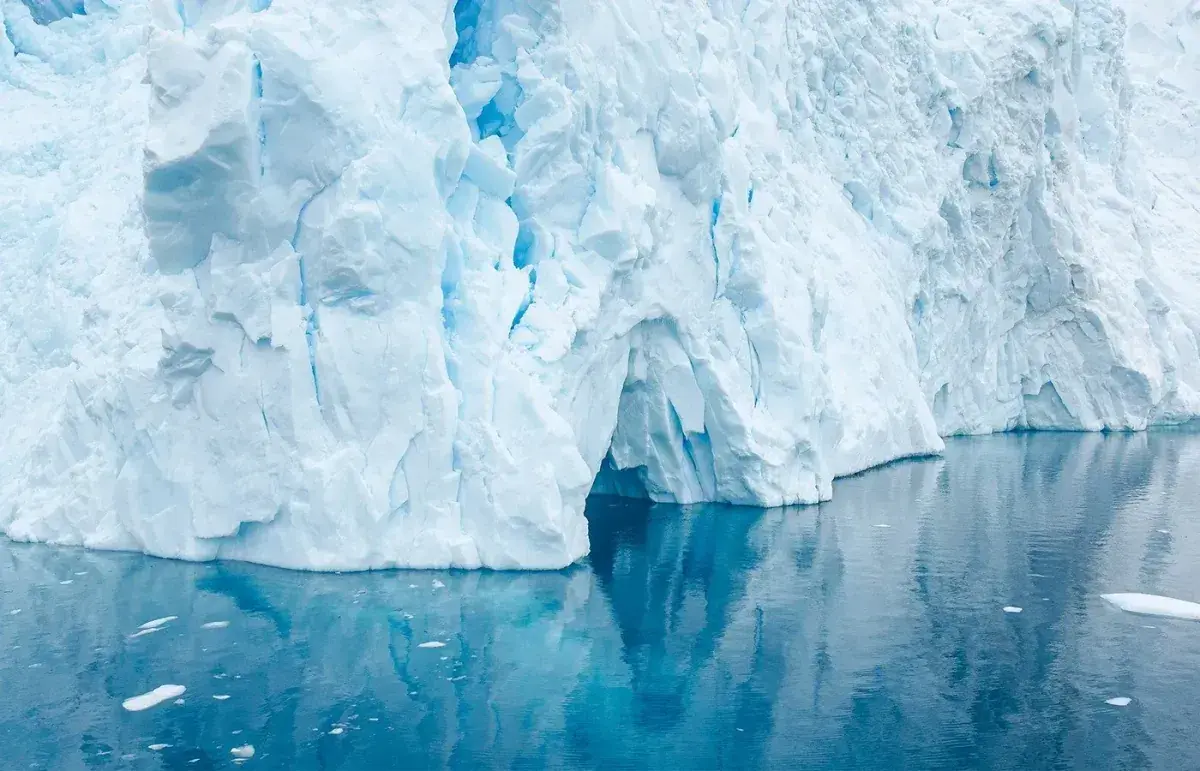
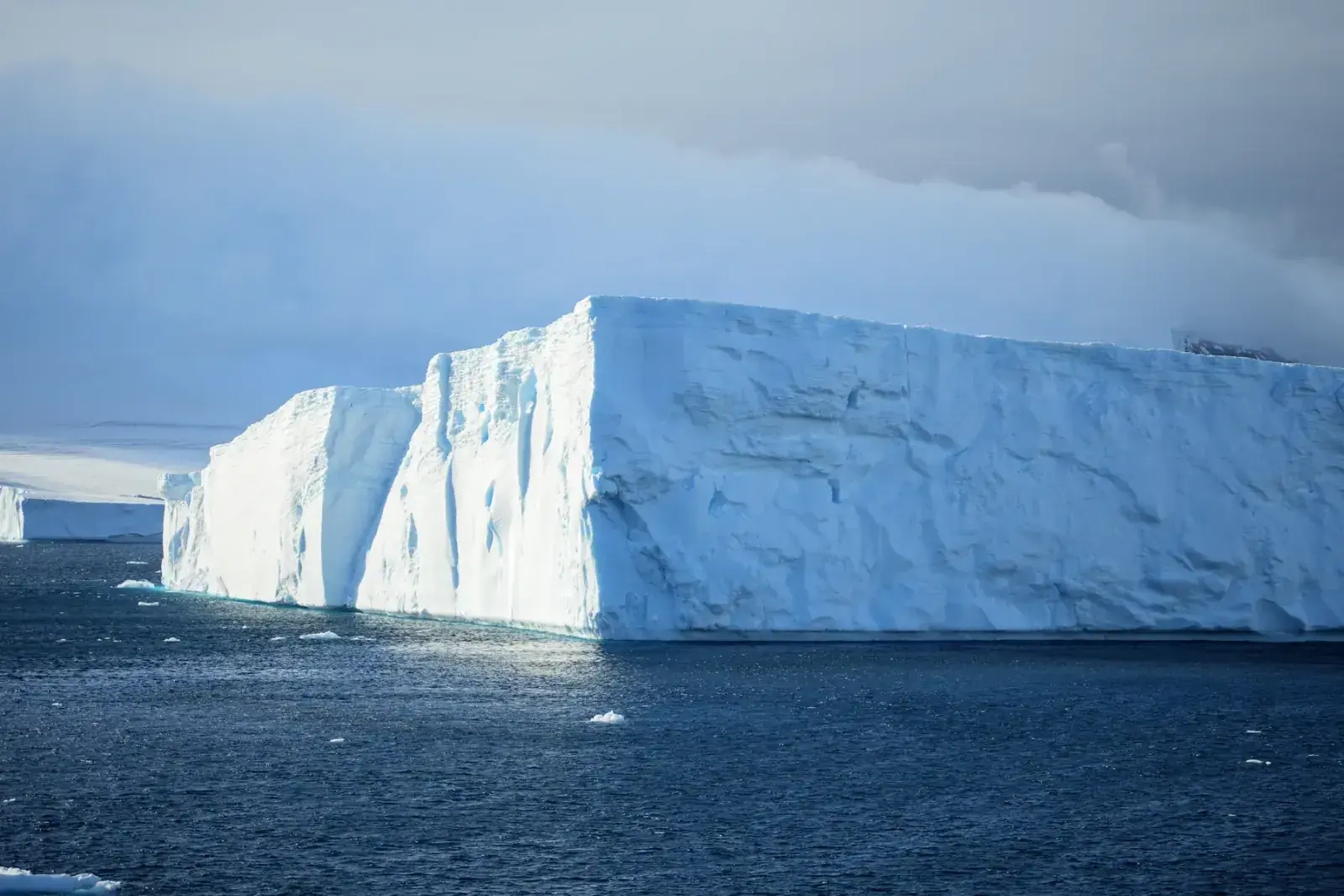
The first icebergs signal your arrival in Antarctic waters — abstract, impossibly blue shapes that appear first as specks on the horizon, then reveal themselves as cathedrals of frozen time as you draw closer. With favorable conditions, your expedition team may accompany you ashore today for your first wildlife encounters on the South Shetland Islands, a group of twenty islands and islets first sighted in February 1819 by Captain William Smith.
The seabird diversity increases dramatically as you push south, and the Drake Passage also marks the northern limit of many Antarctic species. Whether or not conditions allow a landing today, the approach to the South Shetland Islands sets the tone for everything that follows. Lectures continue throughout the day.
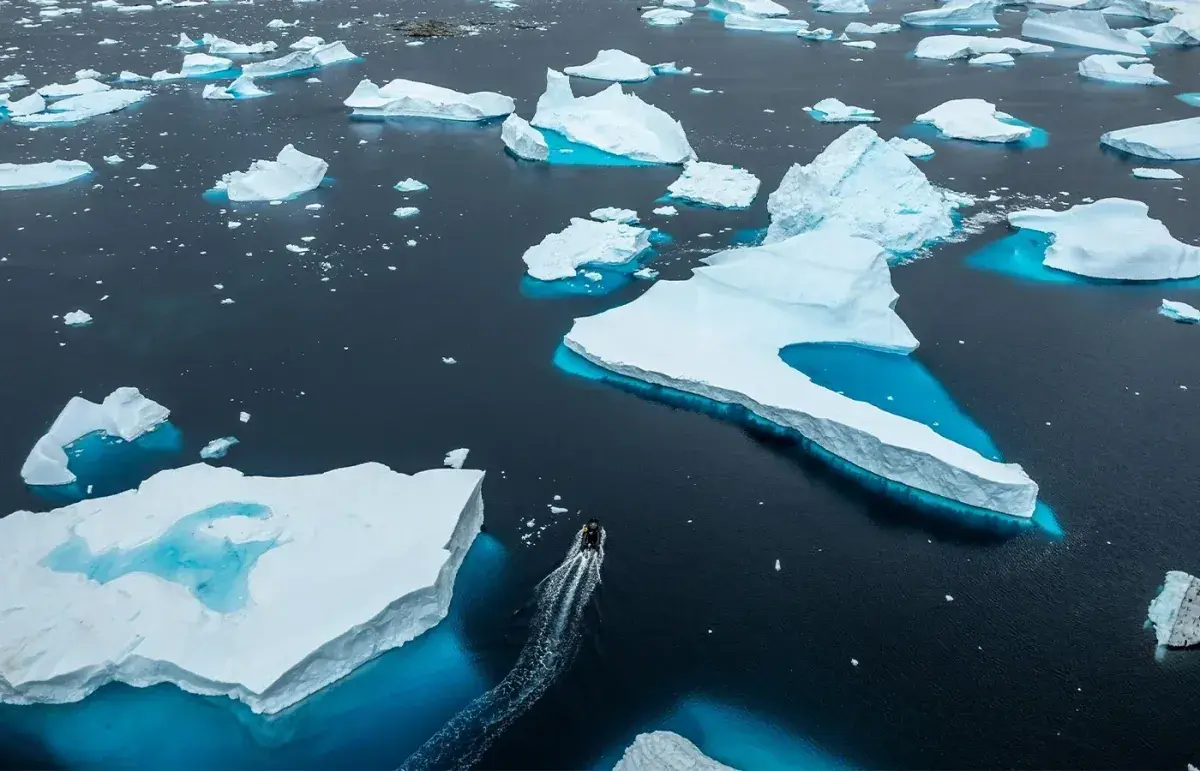
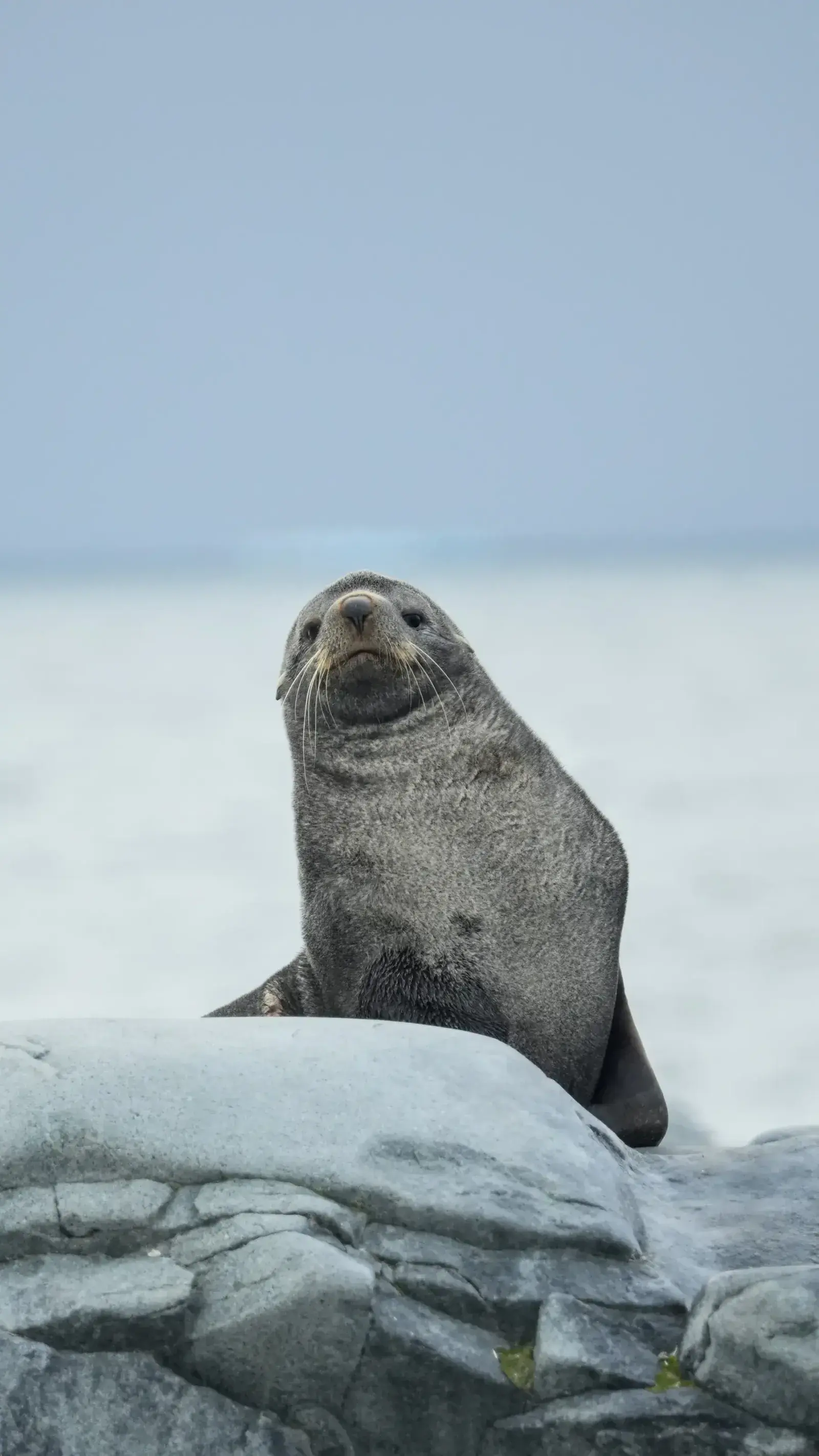
The South Shetland Islands are a haven for wildlife on a scale that is genuinely difficult to prepare for. Vast penguin rookeries, beaches ruled by Antarctic fur seals and Southern elephant seals, and the sheer density of animal life at every landing site make this one of the most wildlife-rich places on earth. Your expedition team targets at least two landings per day throughout your time in the Antarctic region.
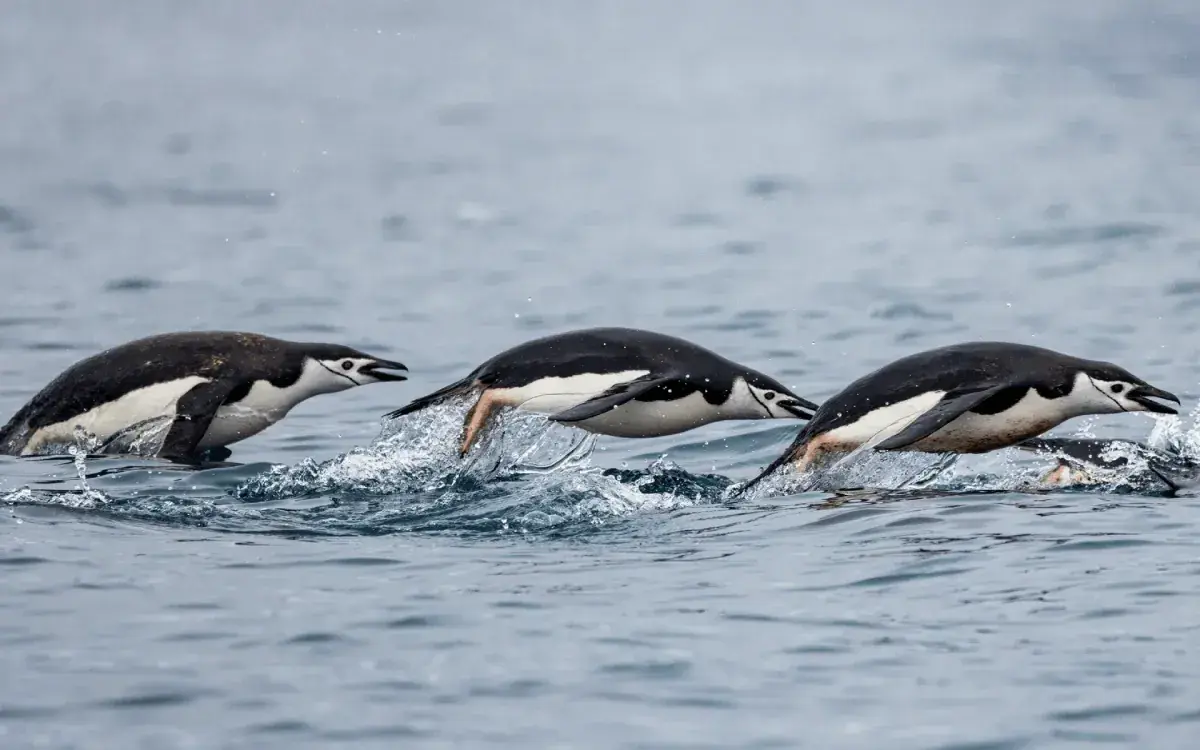
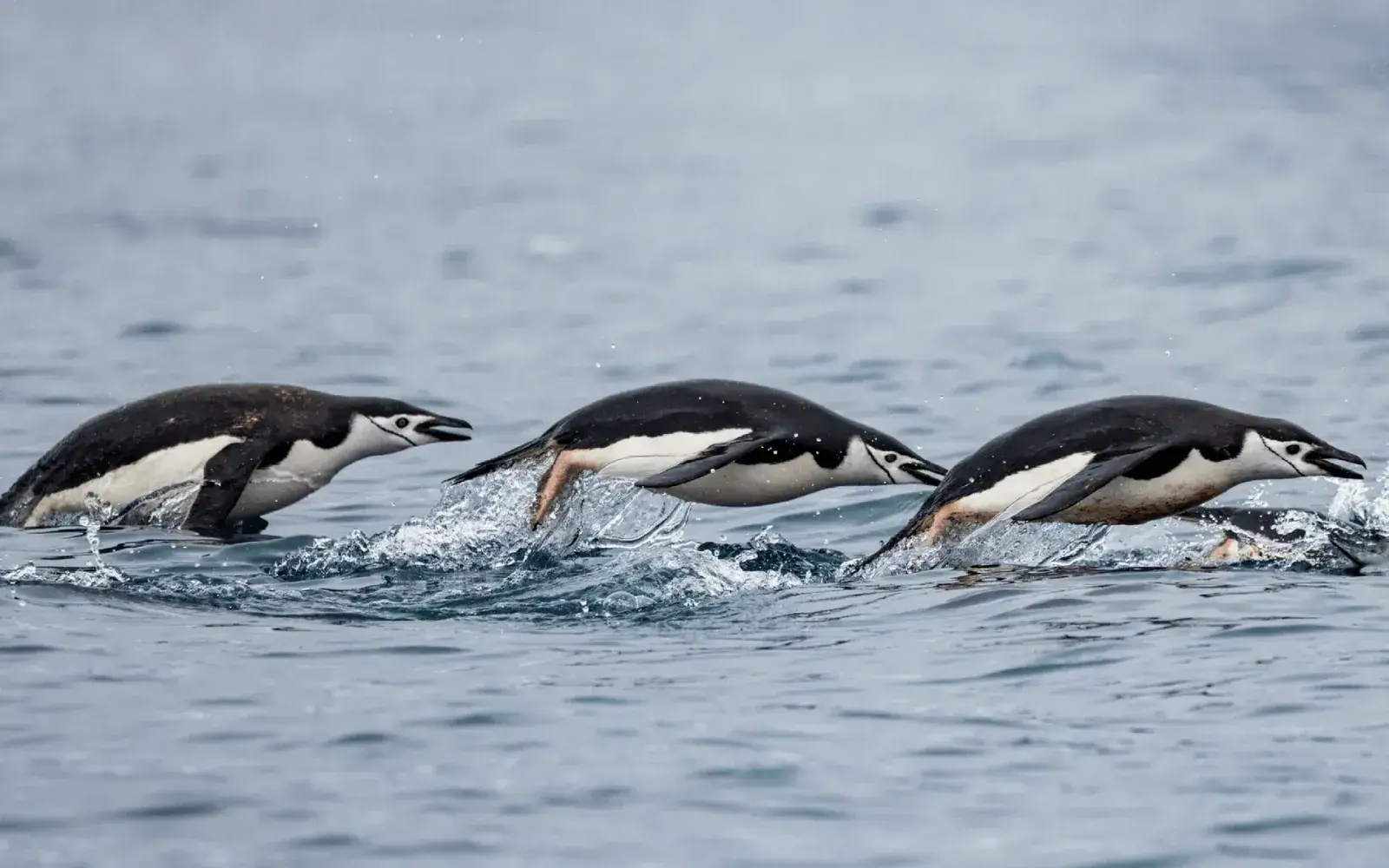
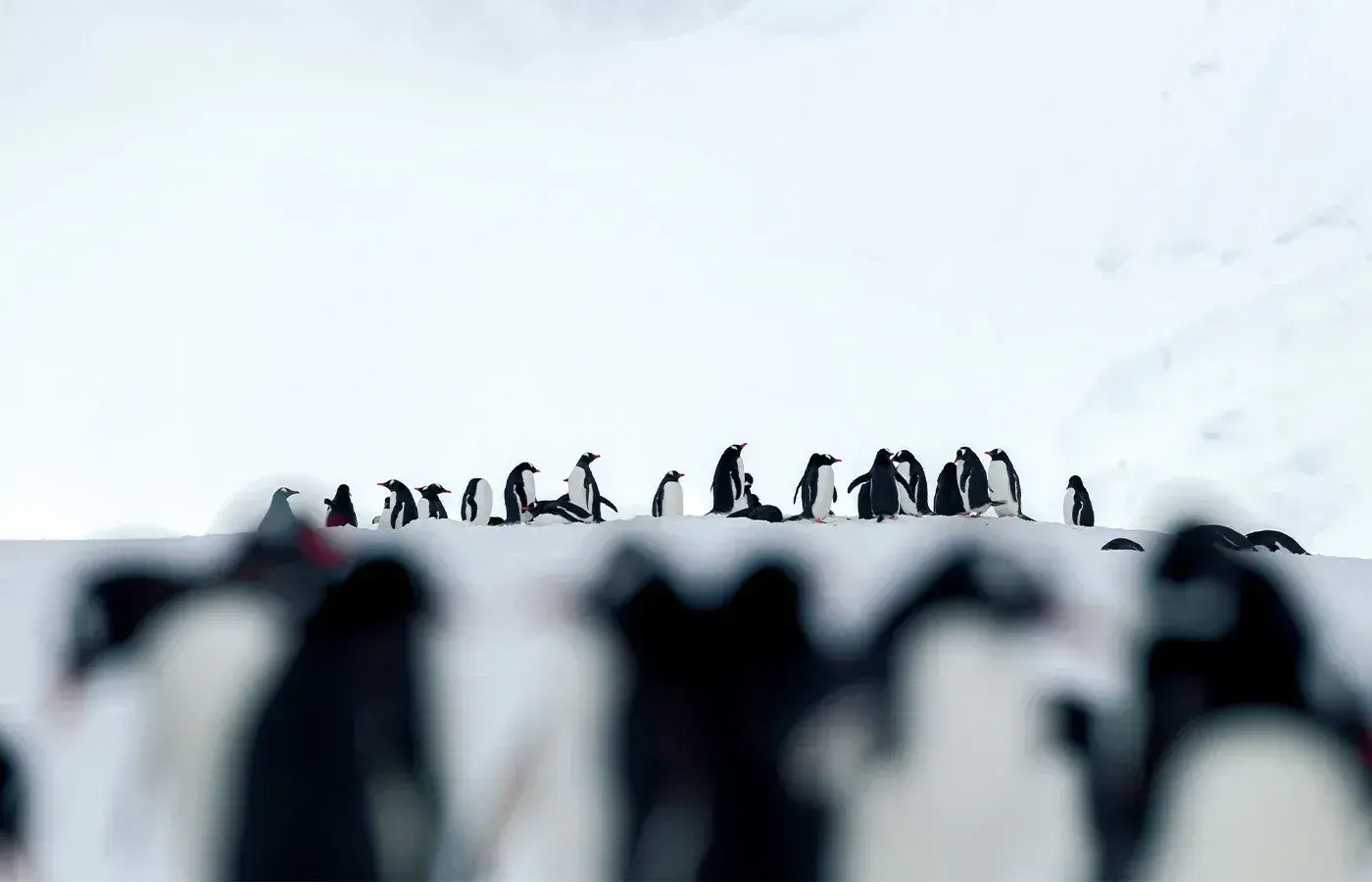
King George Island — the largest of the South Shetlands — features colonies of nesting Gentoo and Chinstrap Penguins, Kelp Gulls, Antarctic Shags, Antarctic Terns, and Southern Giant Petrels, alongside scientific research stations from many nations. Sailing into the flooded caldera of Deception Island is one of the most dramatic moments of the entire voyage: a natural harbor formed inside an active volcanic crater, ringed by steaming black beaches. Chinstrap and Gentoo Penguins and elephant seals await at Livingston Island.

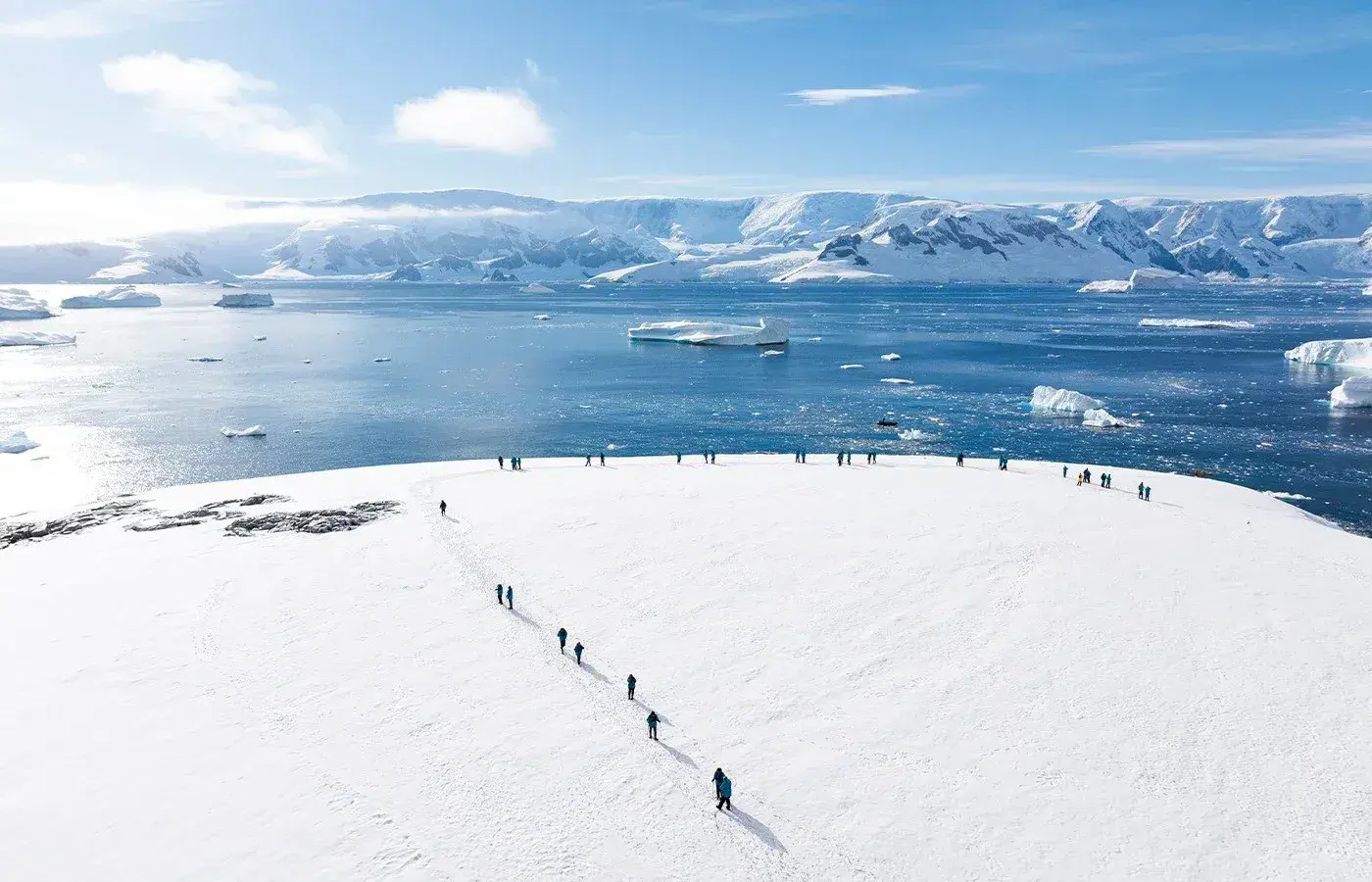
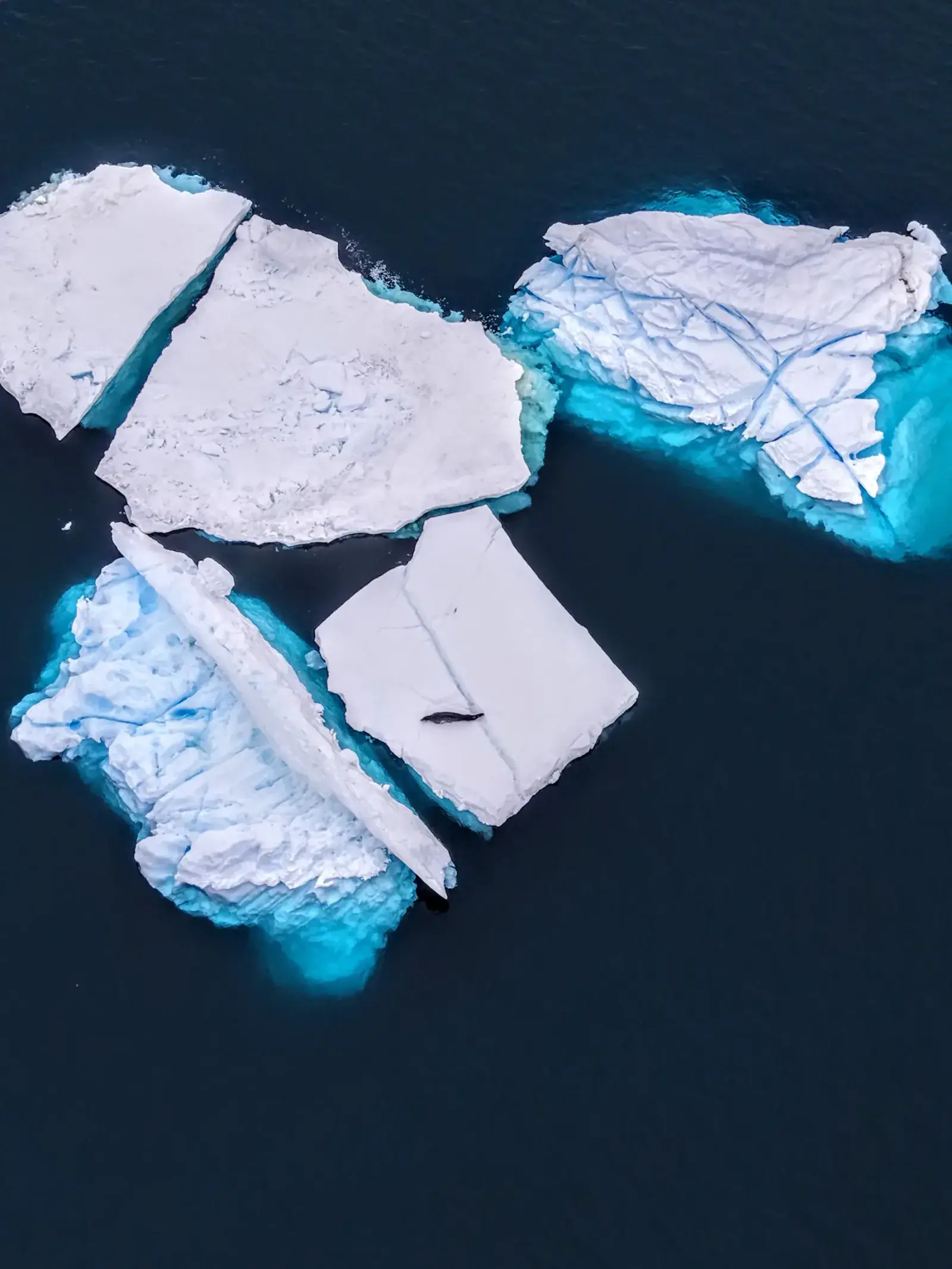
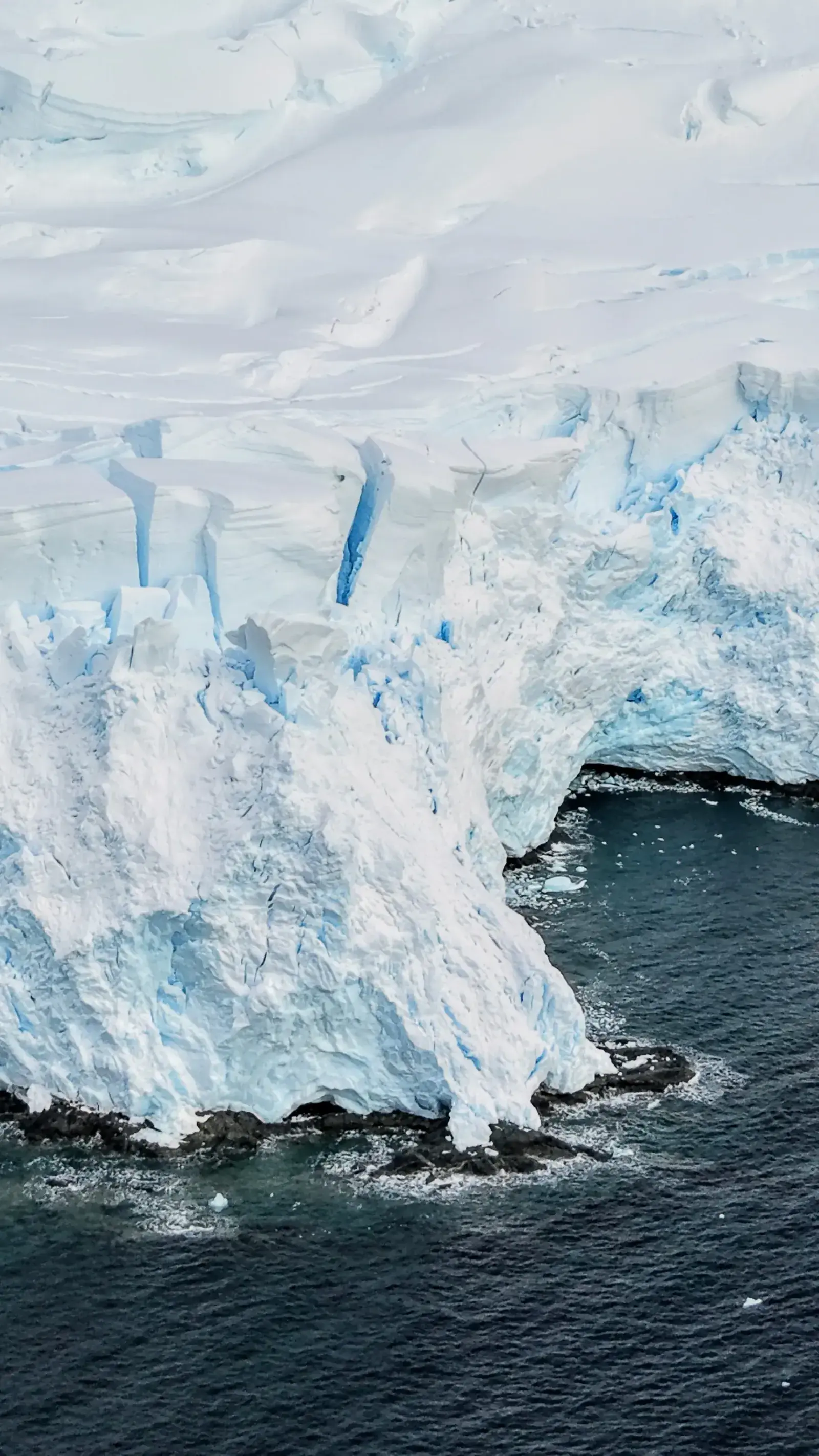
Exploration shifts to the Antarctic Peninsula — a dramatic arm of the continent reaching north toward South America, its coastline a succession of ice-clad mountains, glaciers calving directly into the sea, and waterways clogged with brash ice and slumbering leopard seals. The ship navigates the Gerlache Strait and the Neumayer Channel, both flanked by scenery that routinely renders passengers speechless.
Paradise Bay is perhaps the most accurately named place on earth — a still, mirror-like expanse ringed by glaciers that makes every photograph look staged. The expedition aims for a landing on the continent proper here. After navigating the iceberg-strewn waters of the Antarctic Sound, a visit to Paulet Island reveals the bustling Adélie Penguin and Blue-eyed Cormorant colonies, where over 100,000 breeding pairs create a spectacle unlike anything else on earth. The Nordenskjöld expedition built a stone survival hut here in 1903 — today its ruins are occupied by nesting penguins.
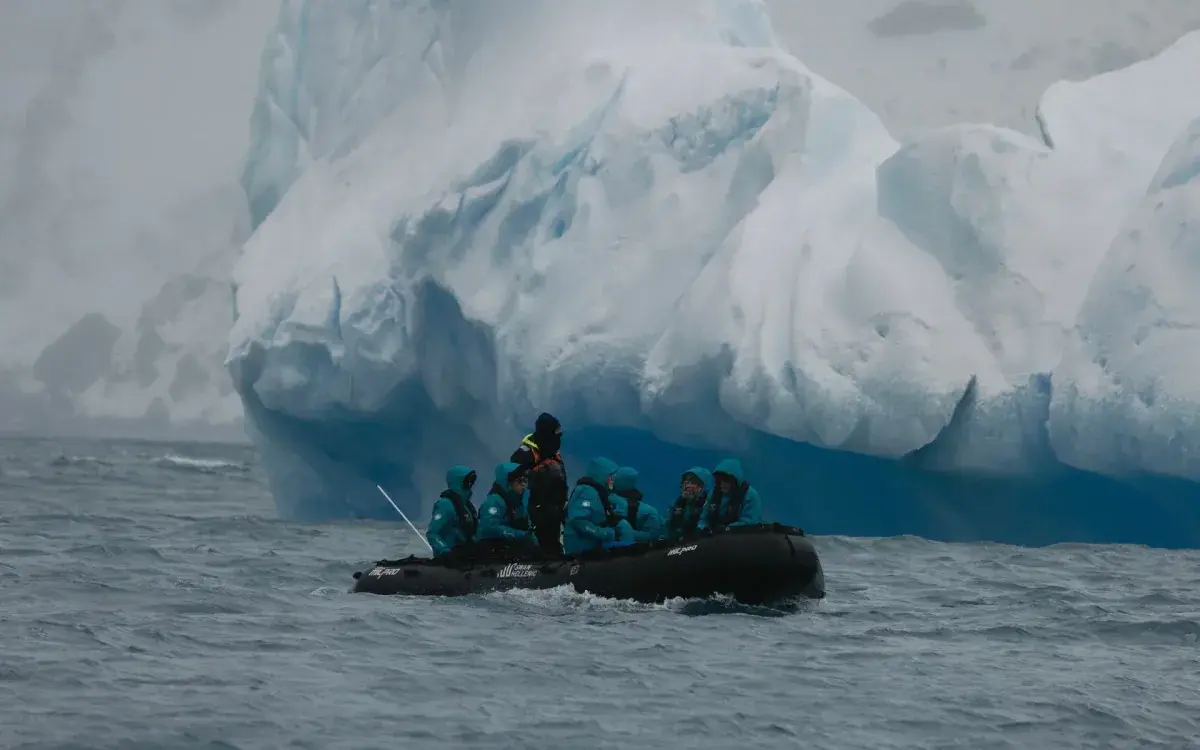
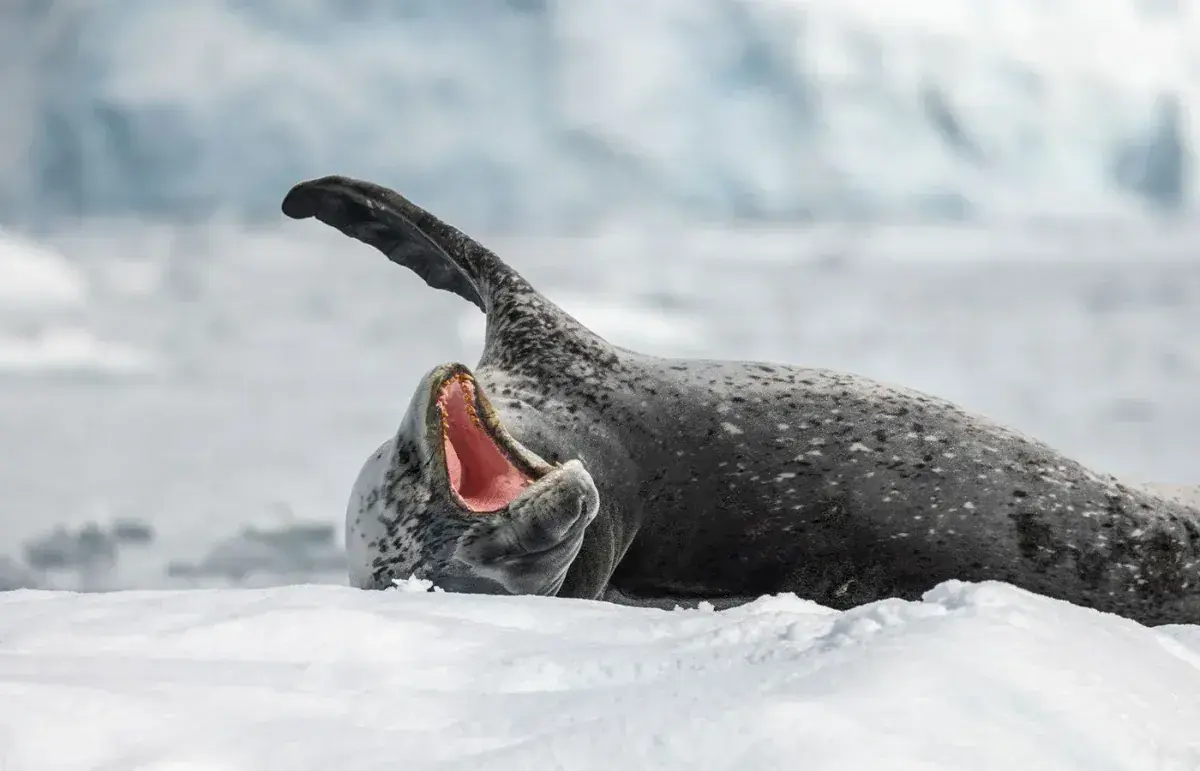
Deeper into the Peninsula, the waterways narrow and the ice thickens. The Lemaire Channel is the visual peak of most Antarctic expeditions — a passage barely 1.6 kilometers wide at its narrowest point, flanked by walls of rock and glacier rising hundreds of meters on both sides. Sailing through it in calm conditions is genuinely one of the great experiences available to any traveler anywhere on earth.
Possible landing sites today include Cuverville Island, Portal Point, and Neko Harbour — each offering a different character of Antarctic landscape and wildlife. Your naturalists adjust the schedule in real time based on conditions, wildlife activity, and ice access, which means no two voyages are identical. This is the adaptability that allows expedition travel to deliver experiences a fixed itinerary simply cannot.
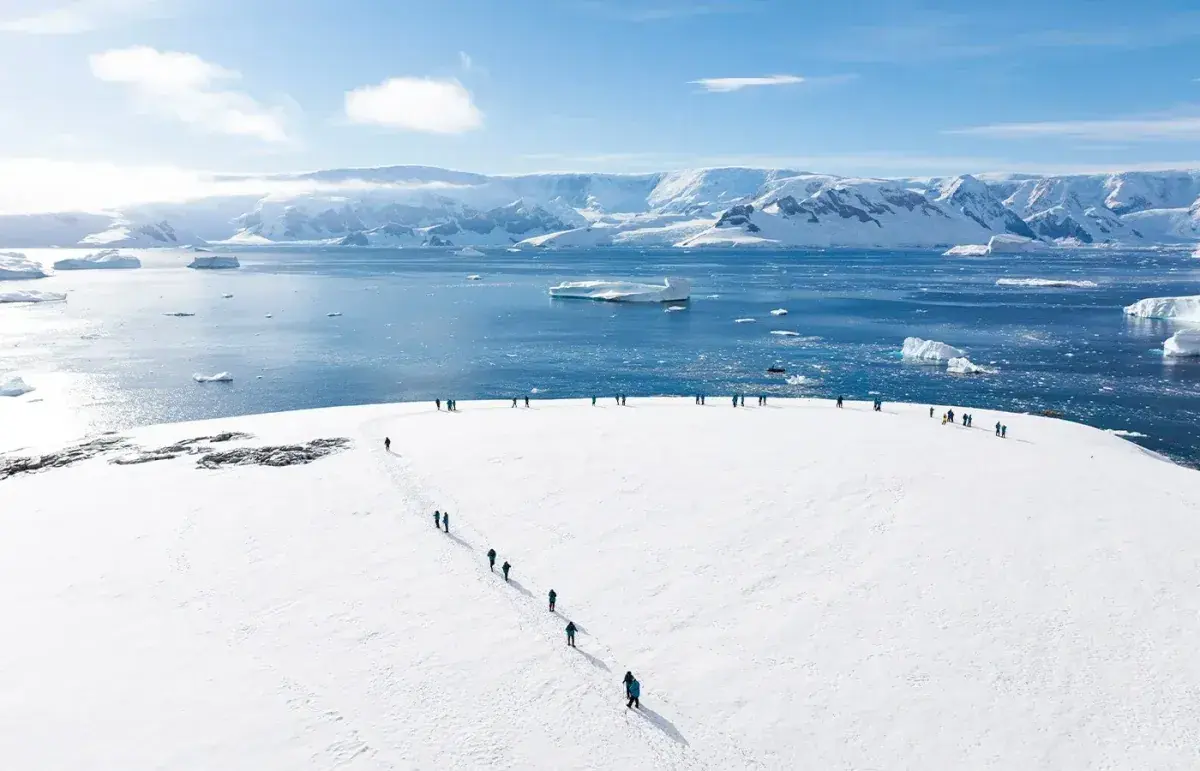
The final full day of Antarctic exploration. Your expedition team makes the most of every available hour — and in the Antarctic summer, that means essentially all of them. Possible sites include the Melchior Island group, Pléneau Island, and, if ice conditions permit, Petermann Island — home to the southernmost breeding colony of Gentoo Penguins. Each landing feels different from the last, and experienced polar travelers will tell you the final day ashore is often the most emotionally resonant.
By now you’ve settled into the rhythm of expedition life — the anticipation of the morning briefing, the Zodiac rides through floating ice, the moments of genuine silence broken only by penguin chatter or the deep groan of a calving glacier. The White Continent has a way of rearranging your internal compass, and that recalibration tends to happen somewhere around now.
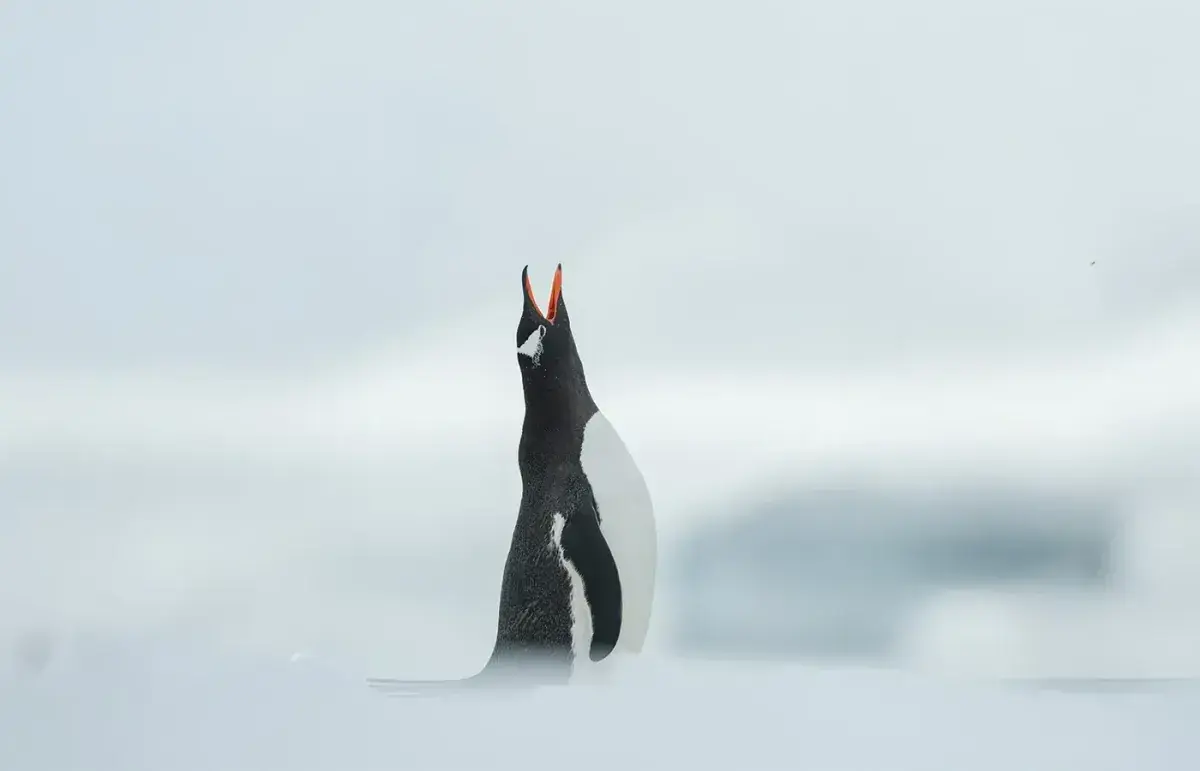
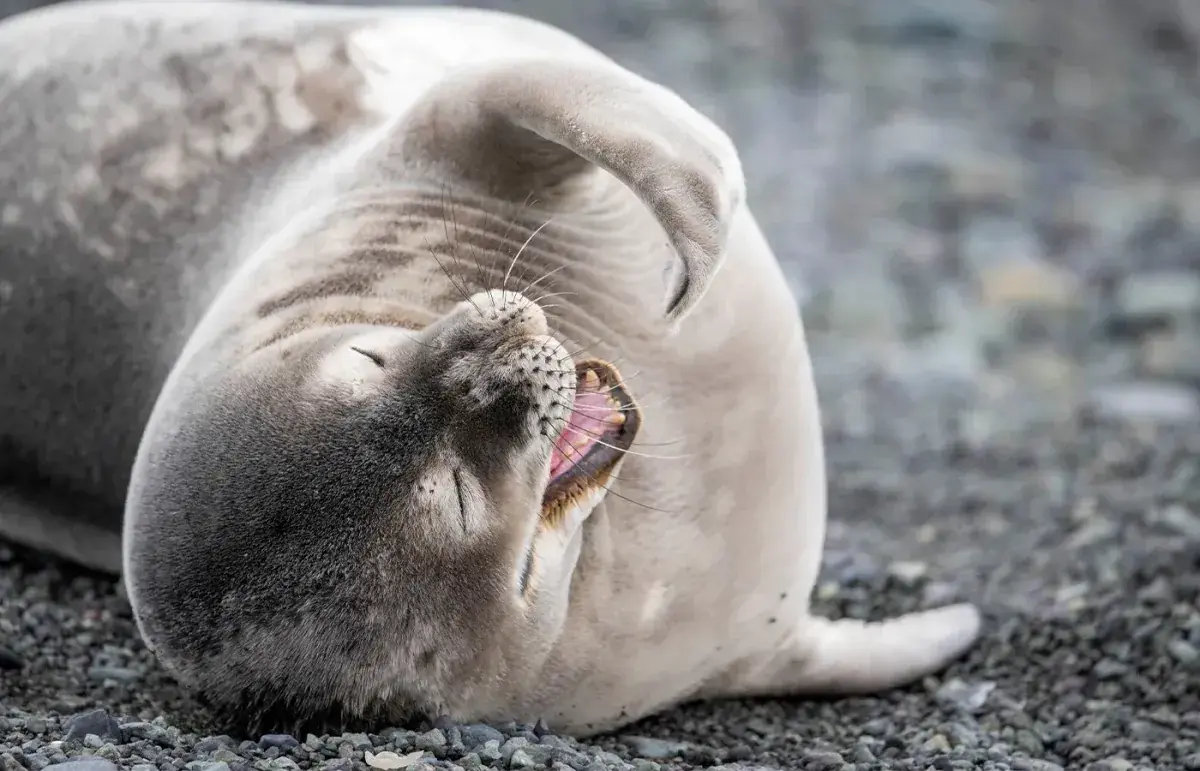
Antarctica recedes behind you as the ship turns north and points back toward the Drake Passage. There’s a particular feeling to this crossing — a combination of exhilaration at what you’ve just experienced and a quiet reluctance to leave. Your expedition team joins you on deck for final seabird and whale watches as the landscape transitions from ice to open ocean.
The return crossing is a good time to attend final lectures, review your photos, and begin making sense of the past week. The Drake Passage in the southbound direction feels like anticipation; northbound, it feels like reflection. Both crossings have their place in the story of an Antarctic expedition.
The second day of the northbound Drake crossing brings you progressively back toward warmer waters and the familiar rhythms of the northern hemisphere. Albatrosses and petrels continue to follow the ship’s wake, providing excellent final seabird watching opportunities for those who haven’t yet exhausted their cameras.
The informal camaraderie of the expedition community tends to reach its peak on this last day at sea. The bonds formed during Antarctic expeditions are unusually strong — something about sharing the end of the world makes the people you traveled with feel significant. Tonight, the lights of Ushuaia are just beyond the horizon.
The ship arrives at the port of Ushuaia in the early morning, and disembarkation takes place after breakfast. After ten days in one of the most remote and extraordinary places on earth, returning to the familiar rhythms of city life is itself a strange and slightly surreal experience.
Most travelers find themselves quietly planning their next polar expedition before they’ve even cleared customs. Antarctica has that effect.
Where you'll stay
Your home on this trip
 Terra Nova
Ship
Terra Nova Adventurer
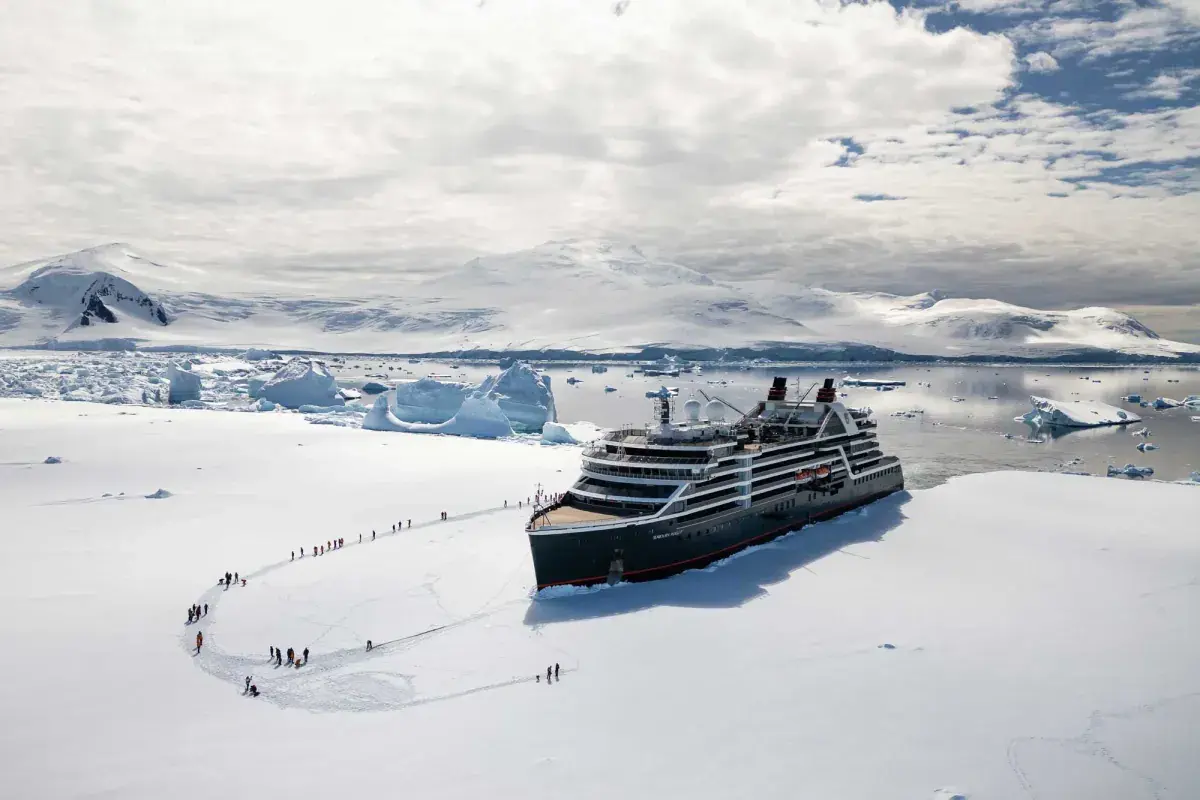
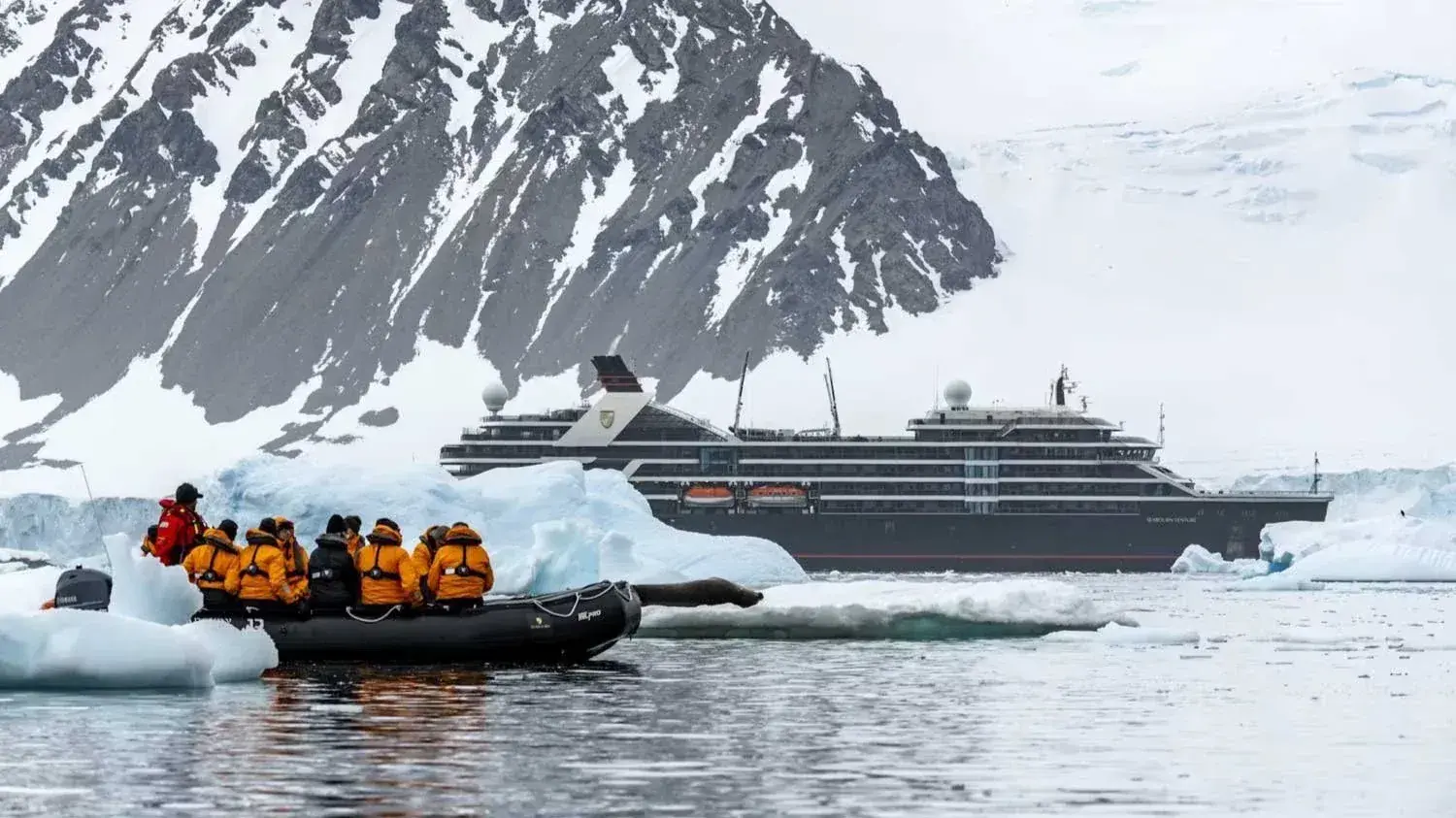
A 98-guest ice-strengthened veteran with more polar miles under her keel than most ships in the fleet — 1B ice class, 14 Zodiacs, and every activity folded into the fare.
DetailsIncluded
- Your selected stateroom
- All meals onboard
- All expedition landings and Zodiac excursions
- Lecture program by expedition and naturalist staff
- Use of rubber boots and waterproof gear (for use onboard)
- Port taxes and embarkation/disembarkation fees
- Open bridge access
Not included
- International Airfare: Flights from your home country to Ushuaia, Argentina.
- Pre- or Post-Cruise Accommodation: Hotel nights in Ushuaia before or after the voyage.
- Optional Premium Excursions: Kayaking and other add-on activities available at additional cost.
- Beverages: Alcoholic beverages (package options may vary by operator).
- Gratuities: Customary tips for the ship’s crew and expedition team.
- Polar-Specific Insurance: Comprehensive travel insurance is mandatory and must include a minimum of $200,000–$500,000 for emergency medical evacuation from Antarctica. Get a quote →
- Personal Expenses: Laundry, spa treatments, boutique purchases, and premium Wi-Fi.
Gallery

Ready when you are
Let's price Sea2Peak's Classic Antarctica Cruise for you.
Keep reading
From the Savvy Traveler
More like this